RAFI, DepEd 7 Turn Over Temporary Learning Spaces in Northern Cebu
When disasters strike, learning gaps often widen as children lose safe spaces, routines, and access to education. In Northern Cebu, this became a reality after two major disasters in 2025 left schools and learners struggling to recover.
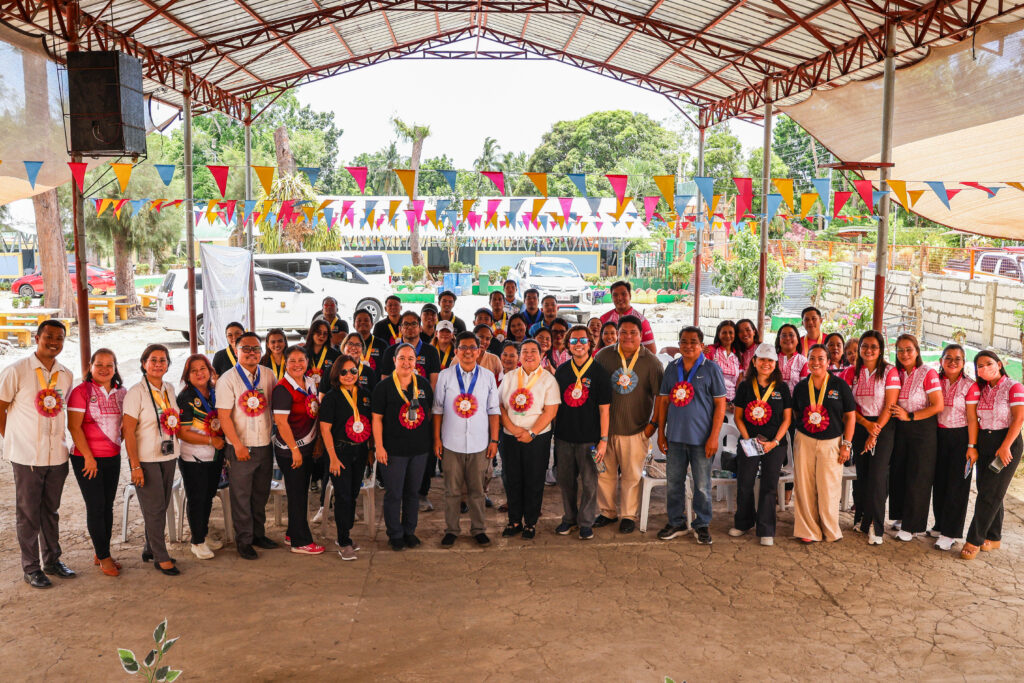
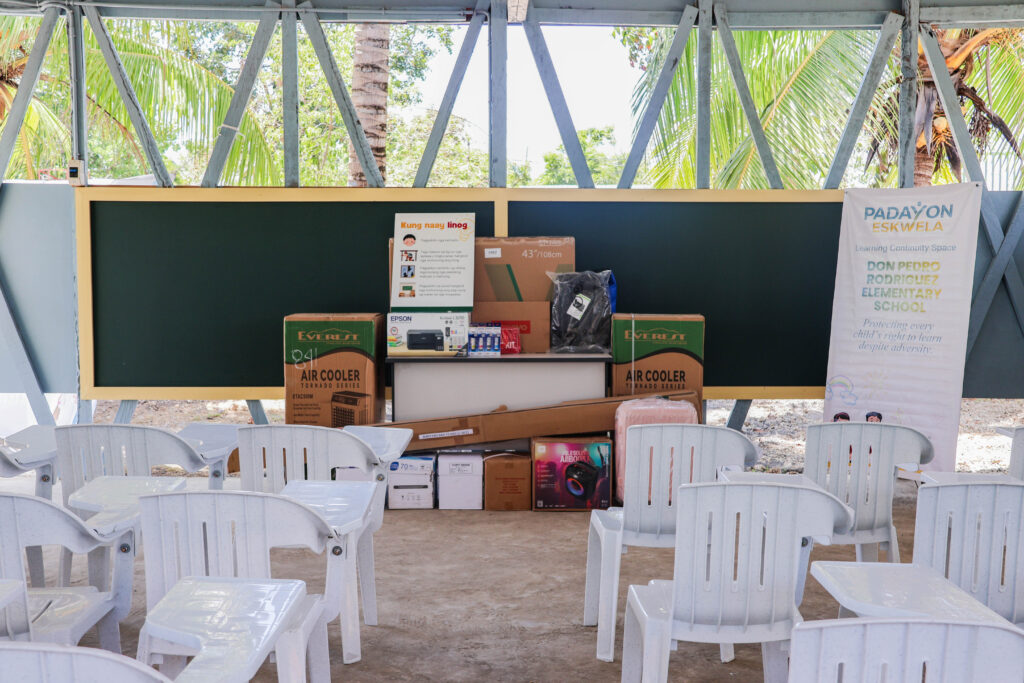
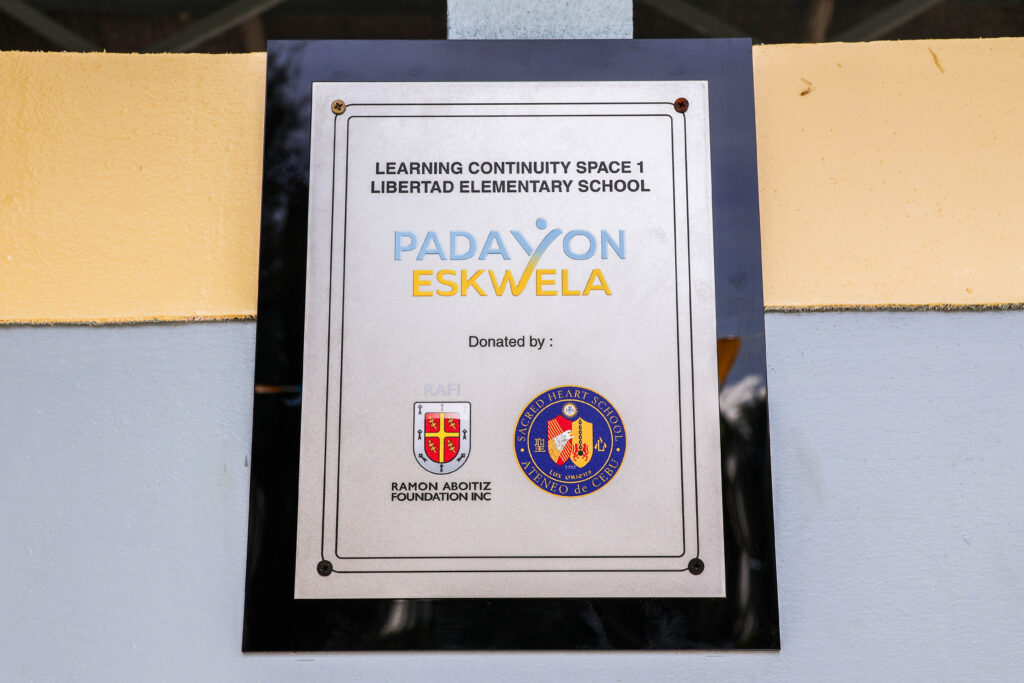
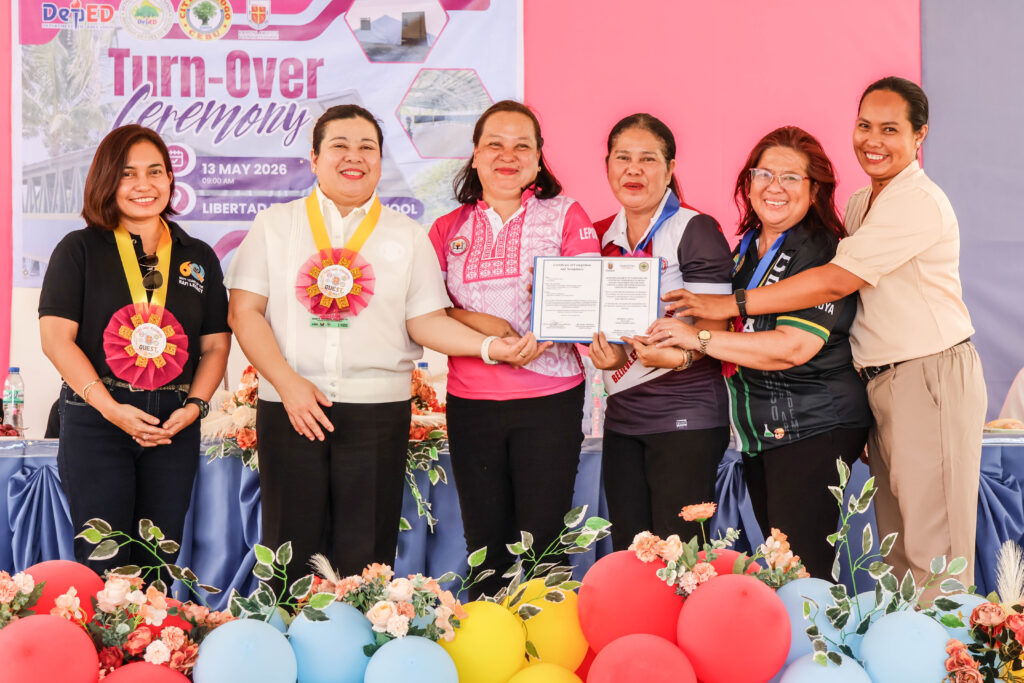
In response, the Ramon Aboitiz Foundation Inc. (RAFI), through Padayon Eskwela and in partnership with the Department of Education Region VII (DepEd Region VII), turned over 39 Temporary Learning Spaces (TLS) and EduKahons to schools in the heavily affected communities of Bogo City, Daanbantayan, Medellin, San Remigio, and Tabogon.
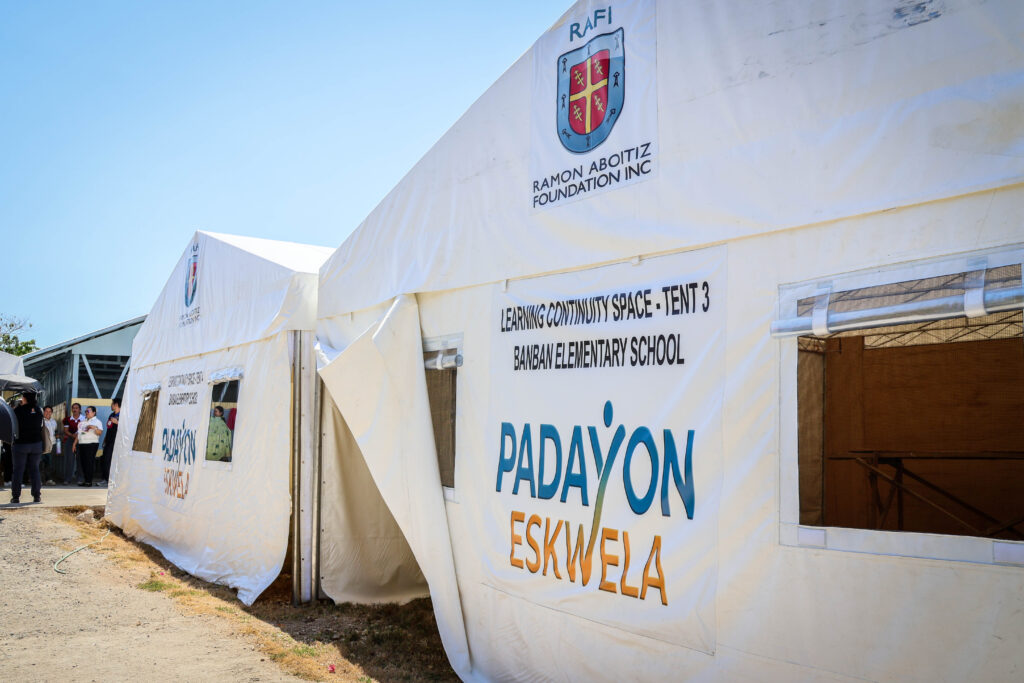
Together with local governments, civil society organizations, communities, and private sector partners, Padayon Eskwela was developed following two major disasters that severely affected schools and learners in Northern Cebu: the magnitude 6.9 earthquake that struck the province in September 2025 and Typhoon Tino, which further damaged school facilities and disrupted learning. According to DepEd Region VII, around 200 public schools sustained varying degrees of damage, with estimated losses reaching nearly P4 billion.
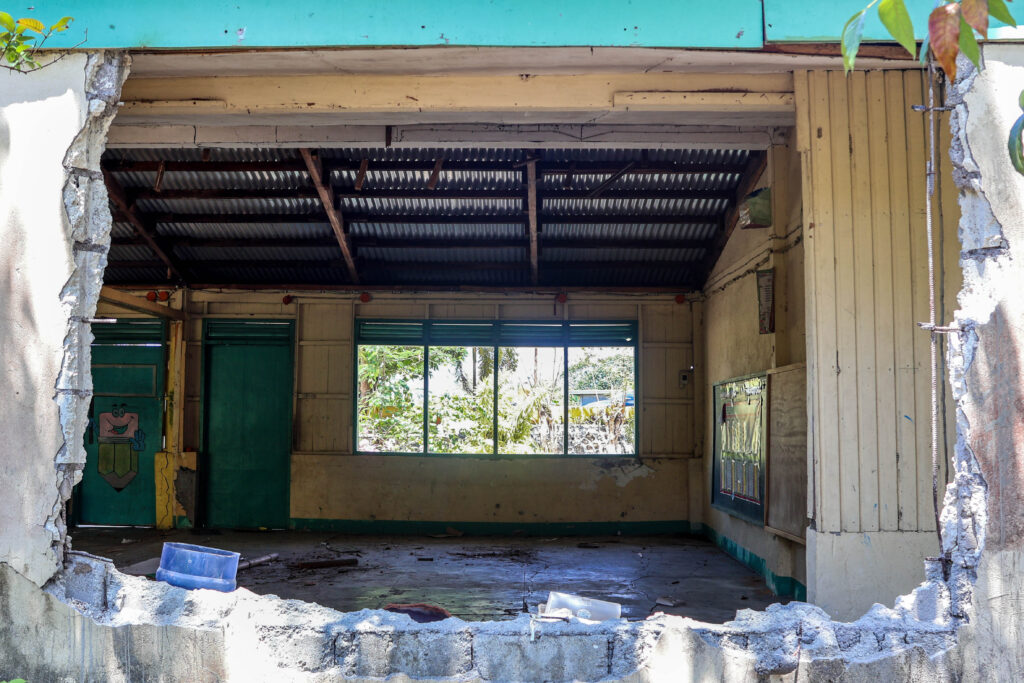
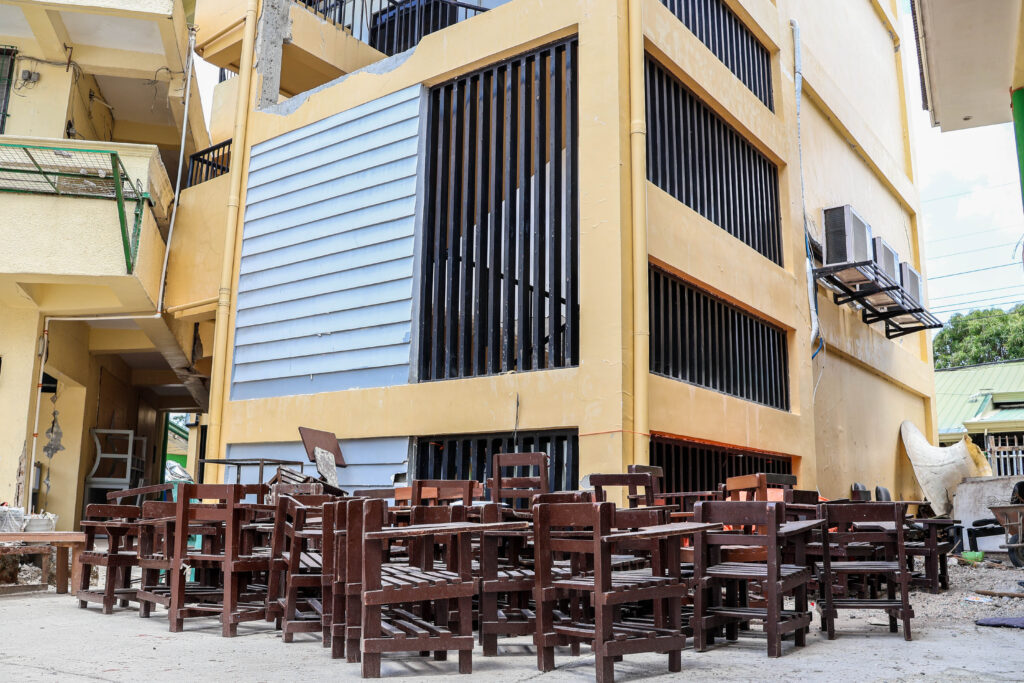
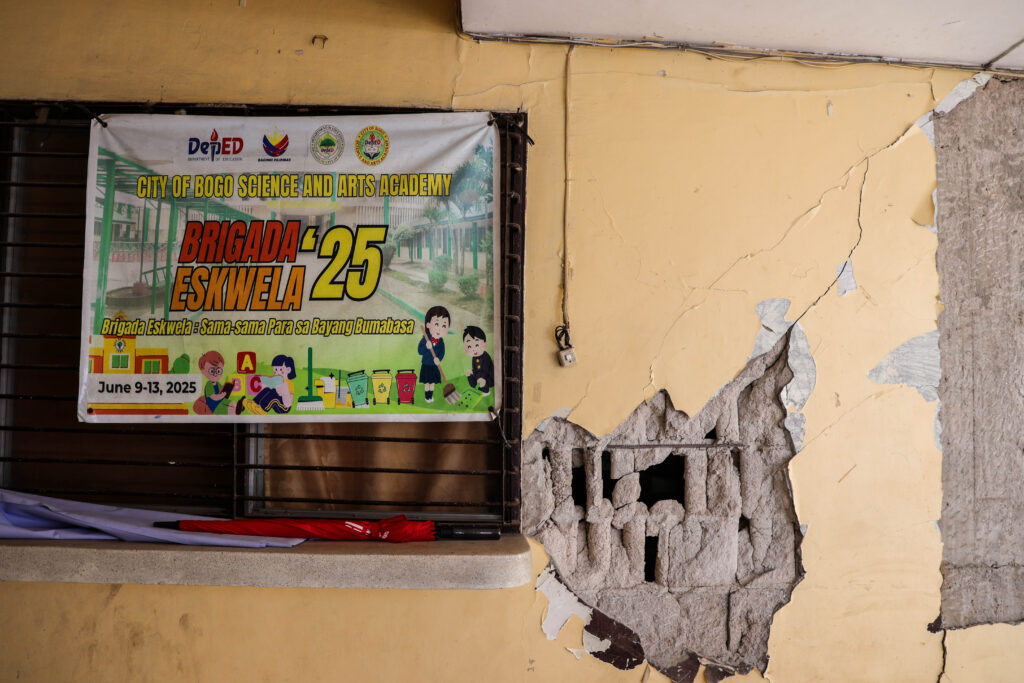
The post-disaster recovery plan serves as a comprehensive framework that guides the implementation of education interventions in affected communities. Anchored on DepEd policies and frameworks, Padayon Eskwela aims to restore learning continuity while strengthening resilience systems and psychosocial recovery among students and teachers.
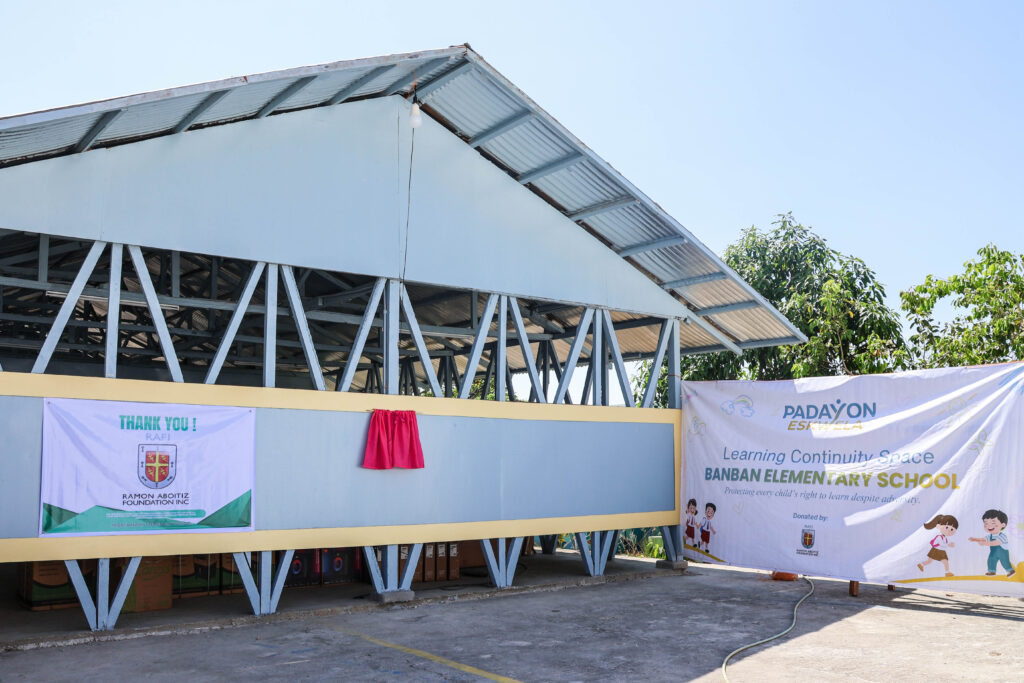
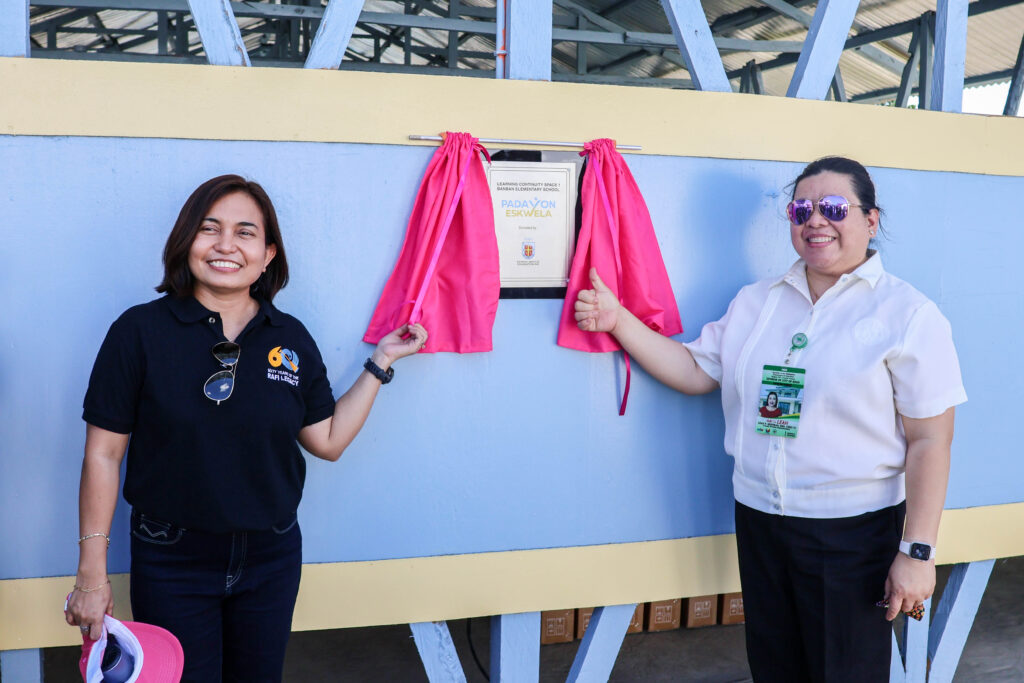
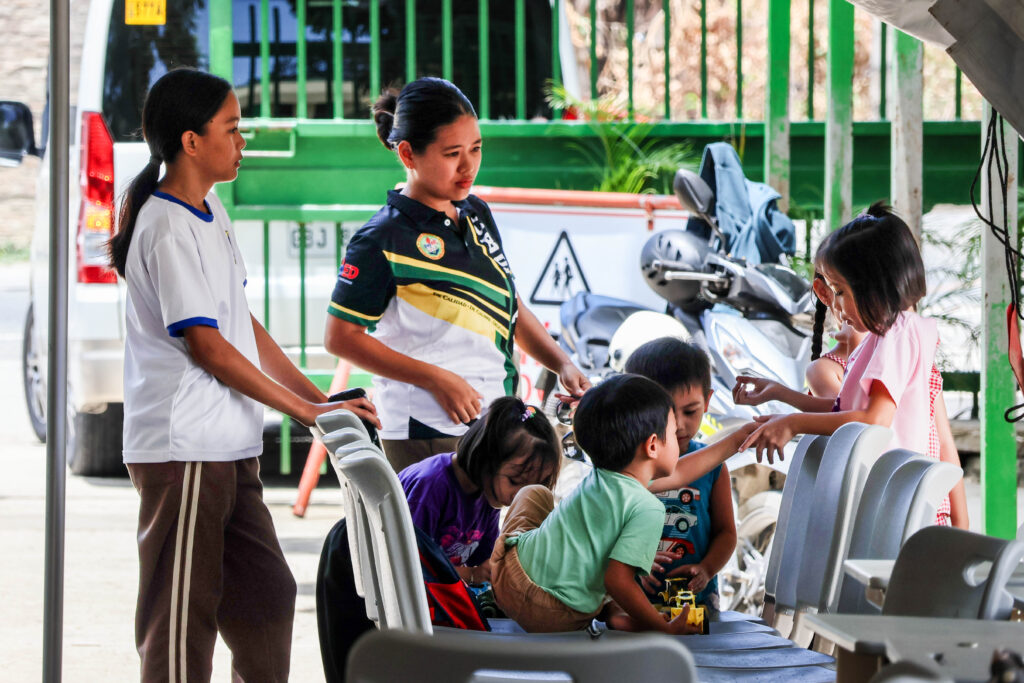
Central to the initiative is the establishment of Temporary Learning Spaces, or TLS, which are designed to provide safe and conducive spaces for teaching and learning while permanent classrooms are being repaired or rebuilt.
Alongside the turnover of the TLS, RAFI and its partners also distributed EduKahons containing essential learning materials and teaching resources to support both teachers and learners. These materials are intended to help bridge learning gaps and ensure that students continue receiving quality education despite disruptions caused by disasters.
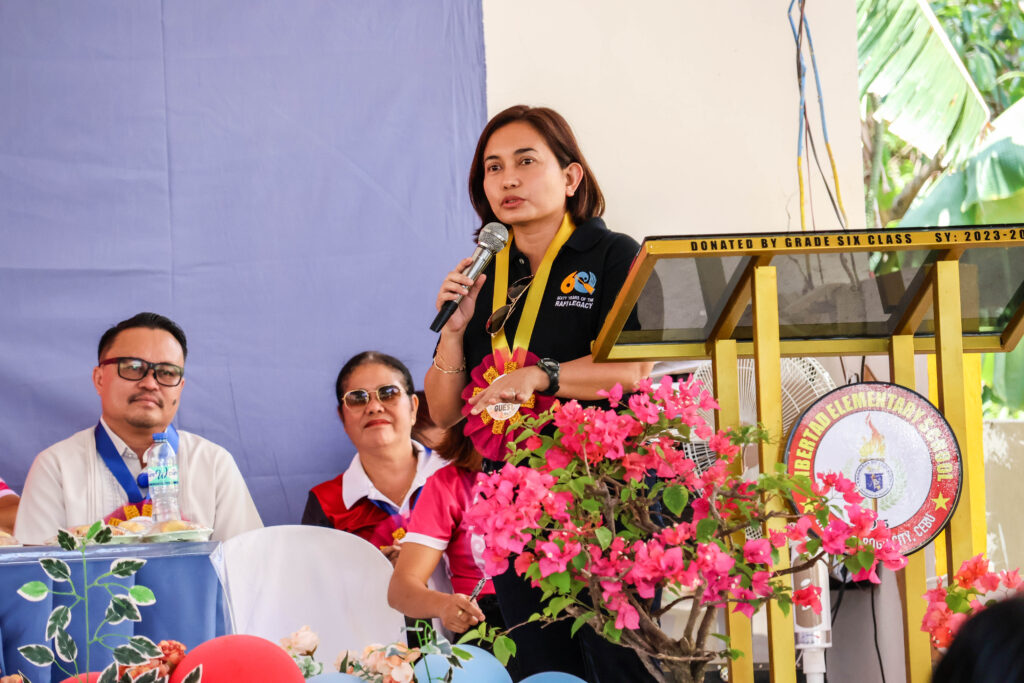
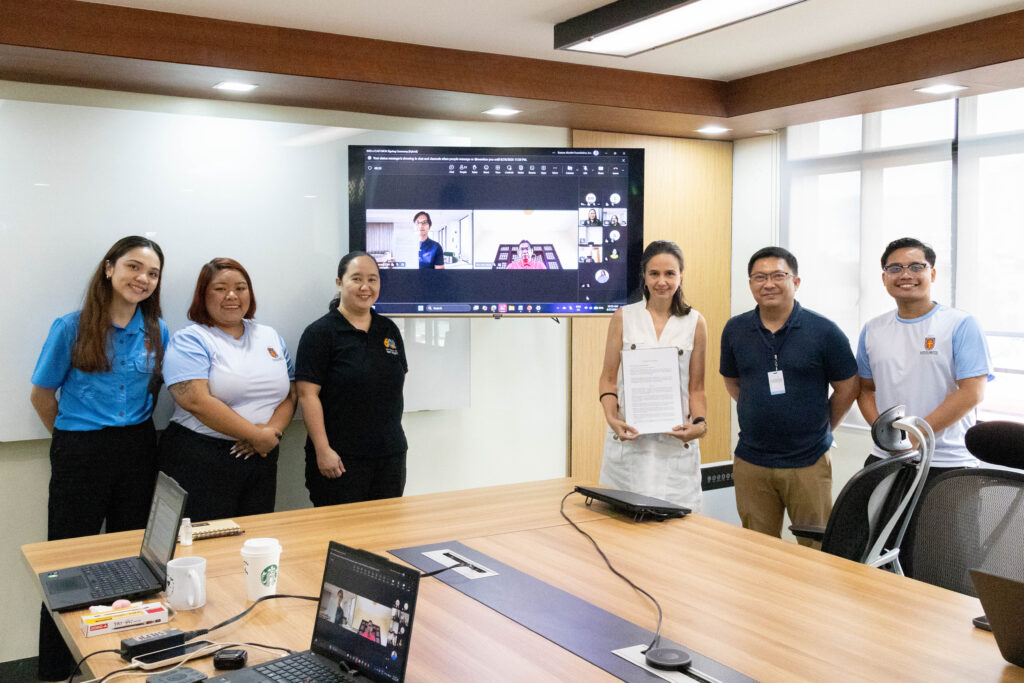
“To our learners, may this place be a space where dreams grow and learning thrives. To our teachers, may this be a place of inspiration and service. And to the community, may this stand as a reminder that when we unite, we rise stronger together. Today we declare that no disaster will ever take away the future of our children and learners. Thank you for journeying with us, let us rise together and continue to work hand in hand for our children and our future. Let us bugsay together,” RAFI Chief Operating Officer, Riella Mae Guioguio expressed during the ceremonial turnover.
Beyond infrastructure and learning materials, the initiative also focuses on sustainability and resilience through mental health and psychosocial support interventions, as well as learning remediation programs for students.
Padayon Eskwela reflects and champions a whole-of-society approach to education recovery and resilience among government agencies, local communities, civil society organizations, and private sector partners to ensure that education recovery goes beyond immediate response and contributes to long-term resilience.
In 2025, RAFI launched its Dungan sa Pagbangon campaign which provided emergency relief efforts to those greatly affected by the earthquake. Padayon Eskwela is part of its recovery and rehabilitation efforts specifically for learning and education continuity.
By restoring safe learning environments and supporting the needs of both teachers and learners, Padayon Eskwela embodies the spirit of padayon or moving forward while protecting every child’s right to learn despite adversity. As RAFI continues its journey toward 60 years of service and impact, the initiative reflects its enduring commitment to empowering communities and helping build a stronger and more resilient future for the next generation.