Cultural Heritage Preservation: Protecting What Truly Matters
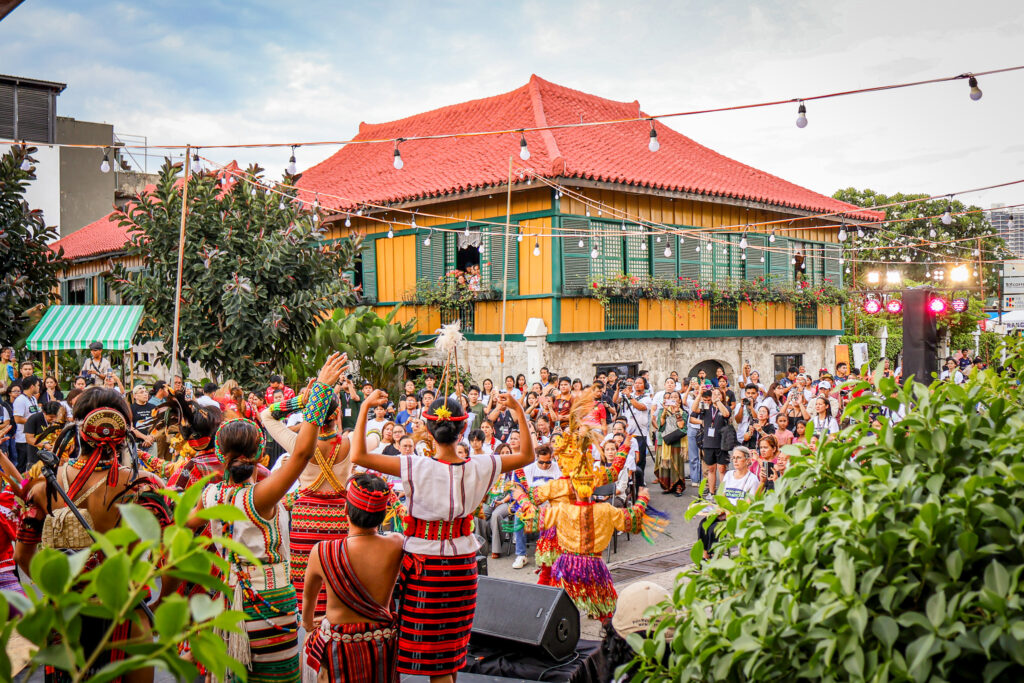
Cultural heritage preservation is more than protecting old buildings or artifacts, it is about safeguarding the stories, values, and traditions that shape who we are. Across communities, heritage connects generations, strengthens cultural identity, and helps people understand their place in a shared history. When heritage is valued and protected, communities become more grounded, resilient, and proud of their roots.
In a rapidly changing world, heritage work plays a vital role in ensuring that progress does not erase the past. By investing in heritage conservation today, we help future generations inherit not only physical landmarks, but also the knowledge, creativity, and identity that define a people.
Why Cultural Heritage Preservation Matters
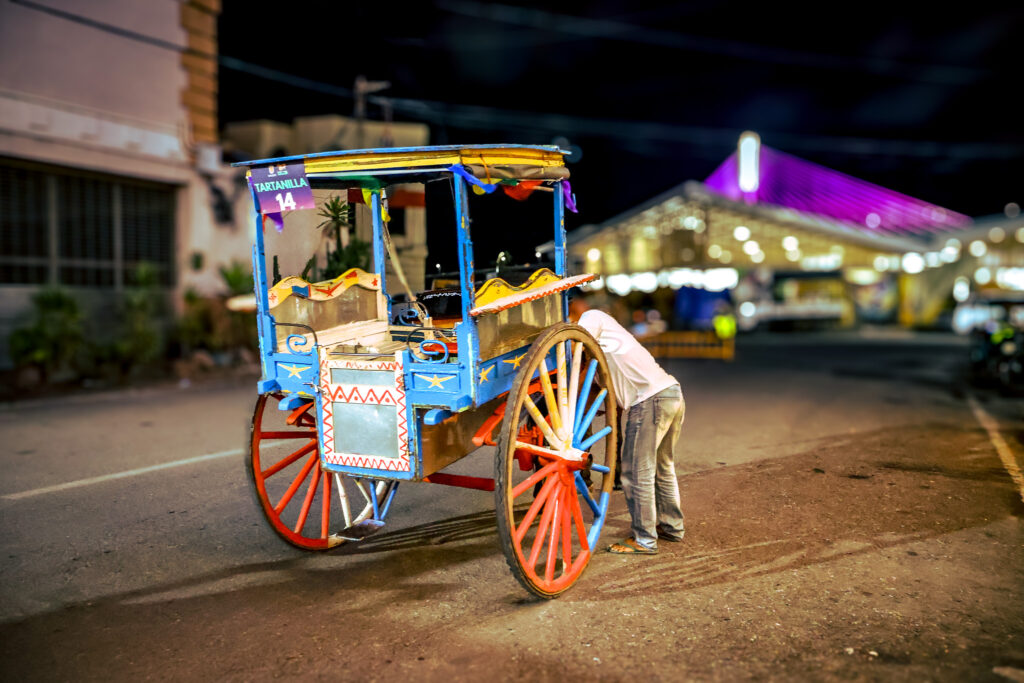
Cultural heritage preservation keeps history alive in ways that textbooks alone cannot. Historic sites, traditional practices, and community stories offer tangible connections to the past, allowing people to experience history firsthand rather than simply read about it.
Preserving heritage also strengthens cultural identity. When communities see their traditions respected and celebrated, it reinforces a sense of belonging and pride. This shared identity encourages cooperation, civic engagement, and a deeper appreciation for diversity within and across communities.
Heritage Conservation and Community Development
Heritage conservation is closely linked to community development. Well-preserved heritage sites often become centers for education, tourism, and local economic activity. Museums, cultural centers, and heritage districts can create livelihood opportunities while promoting responsible tourism that respects local culture.
Beyond economic benefits, heritage initiatives bring people together. Community-led conservation efforts encourage collaboration among residents, educators, artists, and local leaders. These shared efforts foster ownership and responsibility, ensuring that heritage protection is sustained over time.
Preserving Cultural Identity in a Modern World
As societies modernize, traditions and local history can easily be overlooked. Preservation of cultural heritage ensures that development and innovation coexist with respect for the past. Traditional knowledge, crafts, and customs provide valuable lessons in sustainability, creativity, and community living that remain relevant today.
By protecting cultural heritage, communities maintain continuity between generations. Elders pass on stories and practices, while young people gain a deeper understanding of their roots, helping the identity of culture thrive even in a fast-paced, digital age.
Heritage Education: Inspiring the Next Generation
Education is a powerful tool in heritage work. When children and youth learn about local history and cultural heritage early on, they develop respect and curiosity for their surroundings. Heritage education encourages critical thinking, empathy, and pride in one’s community.
Integrating heritage into learning through storytelling, site visits, and creative activities, makes history more engaging and meaningful. These experiences inspire young people to become future advocates of preserving cultural heritage and active stewards of their communities.
CEBloom: Nurturing Culture and Creative Communities
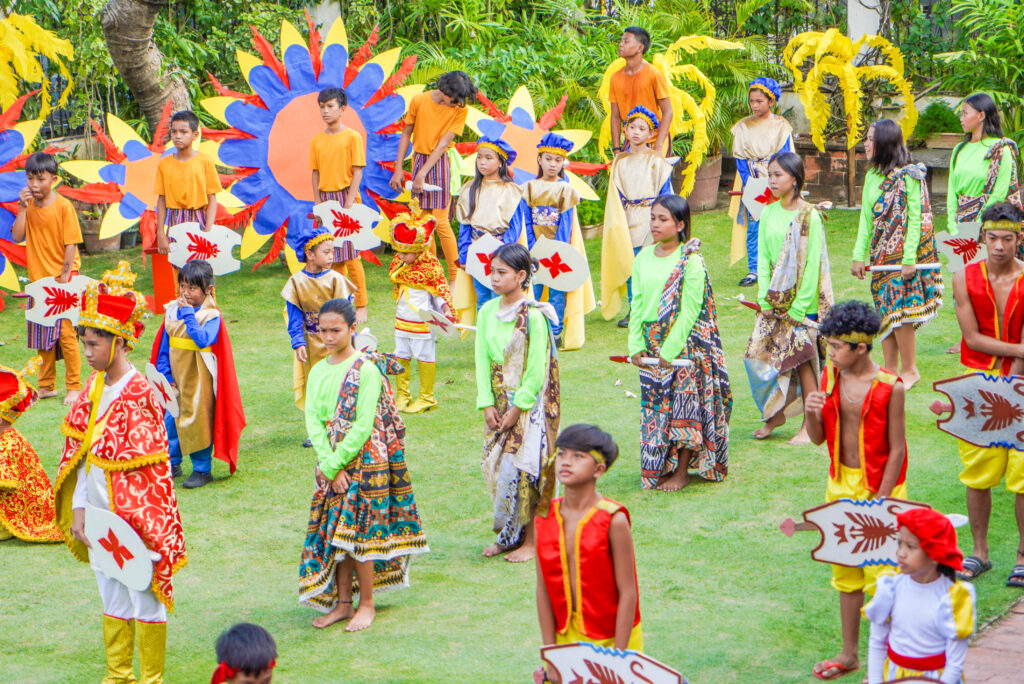
CEBloom is the Ramon Aboitiz Foundation’s program on culture and heritage.It empowers local communities to document, promote, conserve, and safeguard Cebu’s rich cultural legacy while creating programs and experiences that strengthen social cohesion and support sustainable development.
Anchored by initiatives such as the annual heritage celebration Gabii sa Kabilin, the Casa Gorordo Museum, the Kabilin Center and community-based projects with neighboring barangays, CEBloom helps transform heritage spaces into vibrant centers of culture and local economic activity.
Through the conservation of cultural heritage, the arts, and creative community programs, CEBloom ensures that culture remains a living and meaningful part of everyday life, bridging the past and present and inspiring future generations.
Frequently Asked Questions
What is cultural heritage preservation?
Why is heritage conservation important for communities?
How does cultural heritage shape identity?
Who is responsible for preserving cultural heritage?
Can modern development coexist with heritage preservation?
How can young people get involved in heritage work?
How can education contribute to the preservation of cultural heritage?
Is heritage preservation only about old buildings?
How does heritage preservation benefit future generations?
What can individuals do to support the conservation of cultural heritage?
Conclusion
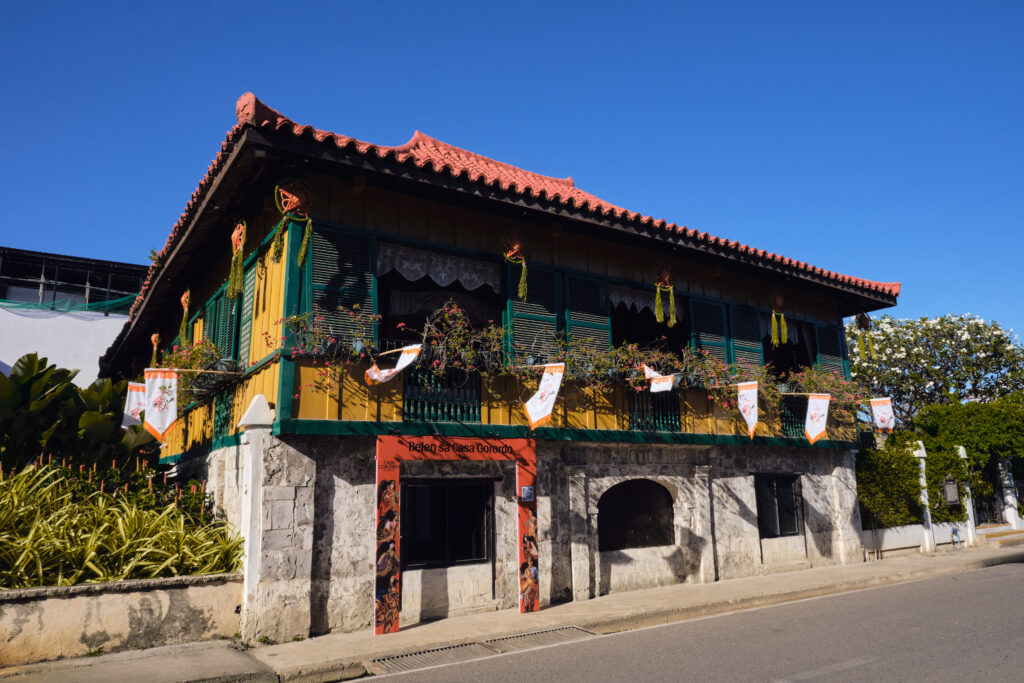
Cultural heritage preservation is not just about honoring the past, it is about shaping a future rooted in identity, pride, and shared values. When communities commit to heritage conservation, they protect more than landmarks or traditions; they safeguard stories, knowledge, and the identity of culture that define who they are and where they come from.
Through collective effort and programs like CEBloom, heritage work becomes a living practice, one that educates, inspires, and brings communities together. By valuing and protecting cultural heritage today, we ensure that future generations inherit a strong sense of belonging and a deeper connection to their history, empowering them to carry these traditions forward with purpose and pride.
🎨 Our heritage tells the story of who we are. By supporting cultural heritage preservation, you help protect traditions, strengthen cultural identity, and inspire future generations. Let’s work together to keep our shared history alive, today and for the years to come.