Cebu youth call for stronger participation, collaboration
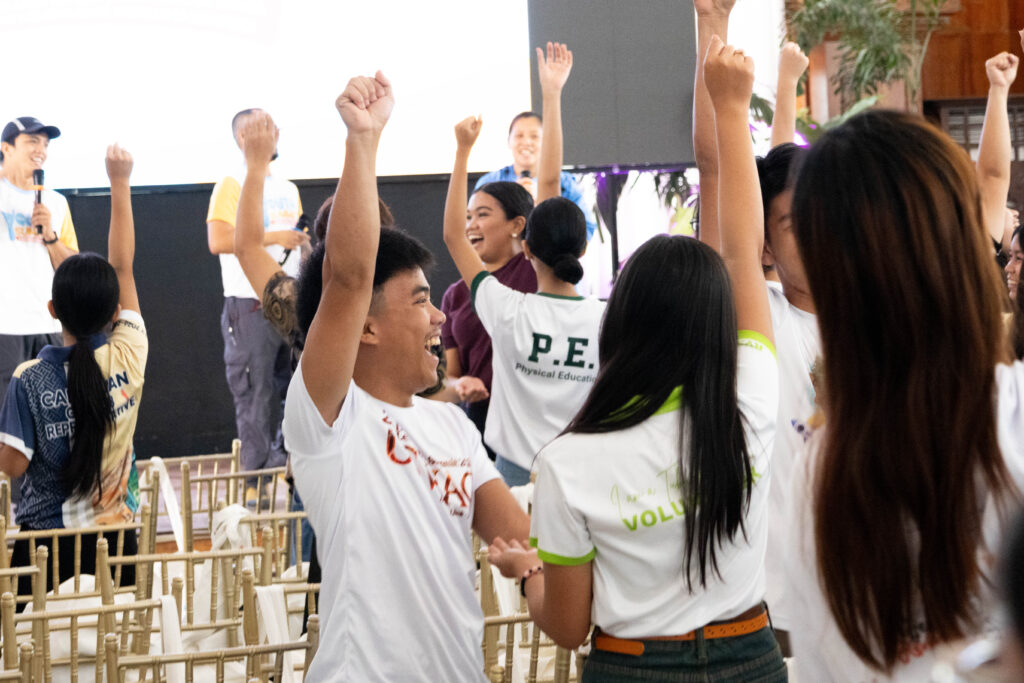
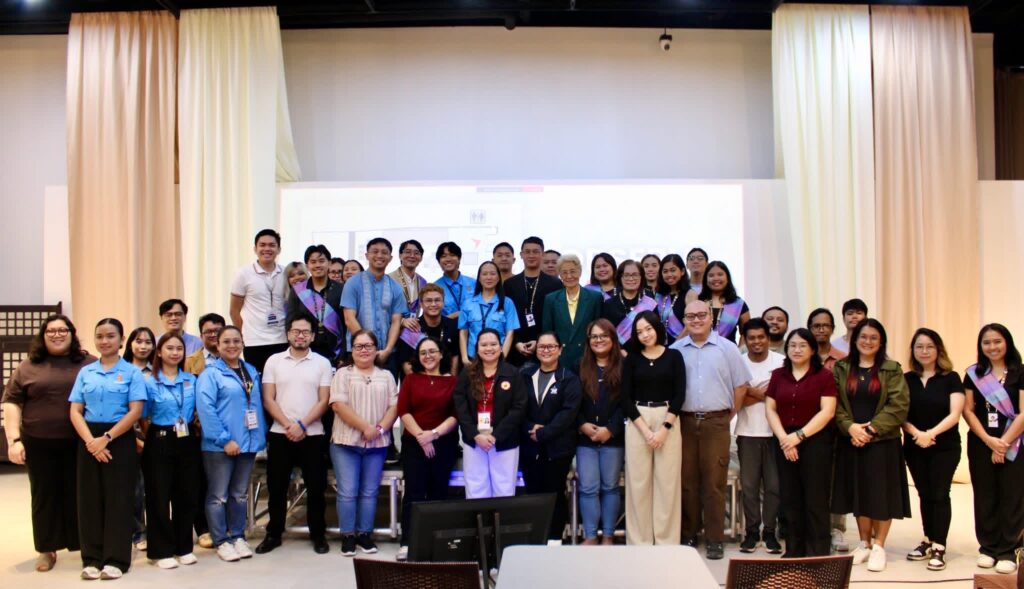
Young people in Cebu are calling for stronger collaboration and more accessible opportunities to take part in community affairs, as youth leaders and organizations gathered for the Youth Summit 2026 on August 28.
Held at the Cebu Provincial Capitol Social Hall, the summit brought together young people and community partners to discuss youth participation in governance, advocacy, environmental action, inclusion, and health.
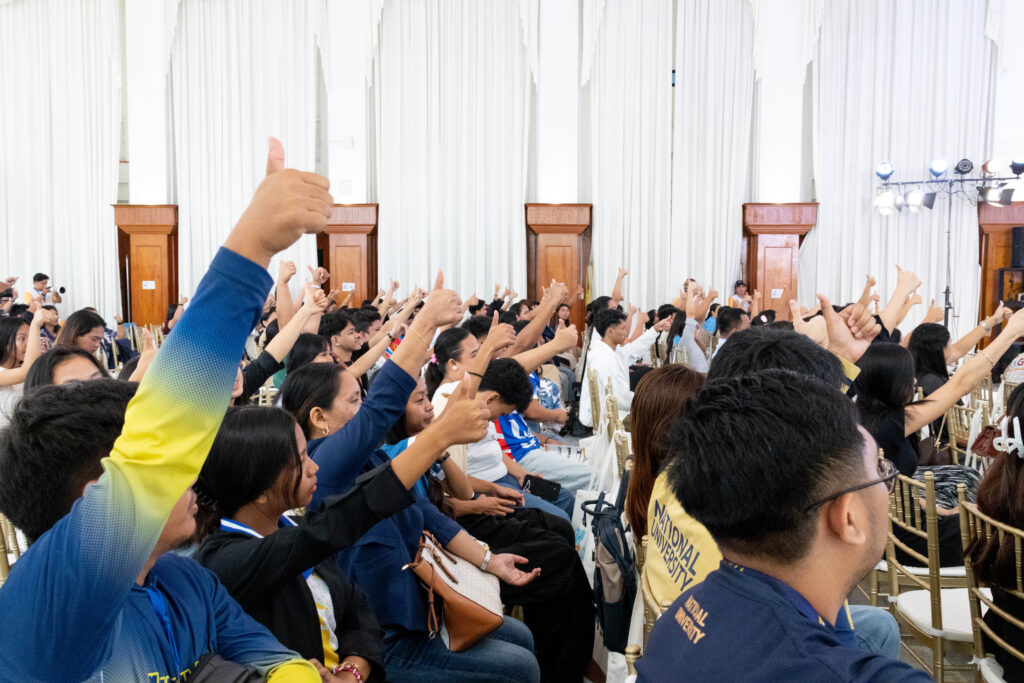
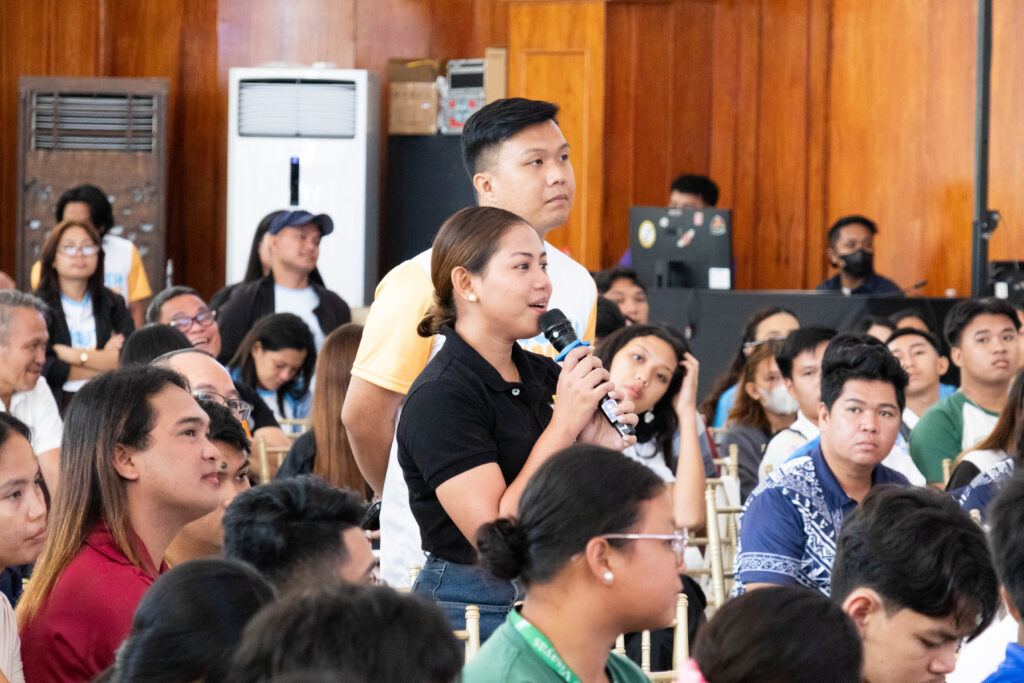
The call comes amid a continuing participation gap. Data from the Philippine Statistics Authority’s 2024 Functional Literacy, Education and Mass Media Survey showed that only 21.4% of eligible household members aged 10 to 30 had participated in or been involved in an activity to help others or improve society or the environment.
For young leaders at the summit, closing this gap starts with making it easier for young people to connect, speak up, and contribute.

“The problem in our community is lack of youth collaboration and participation,” said Aliyah Jeric Cruz, an Active, Brilliant, Thriving, and Informed Kabatan-onang (ABTIK) leader from Alcoy.
“It is important that the youth are able to speak up and gather fellow youth for collaboration because the more collaborated the youth is, the more they are informed and engaged.”
Andrew Anthony Magdadaro, SK Federation Vice President of San Remigio, said local leaders also need to meet young people where they are.
“Instead of the youth going to the leaders (SK and local), the leaders will need to approach the youth,” he said. “This way, leaders can reach them, empower them to participate and provide activities and programs door to door.”

A fair for youth to connect and participate
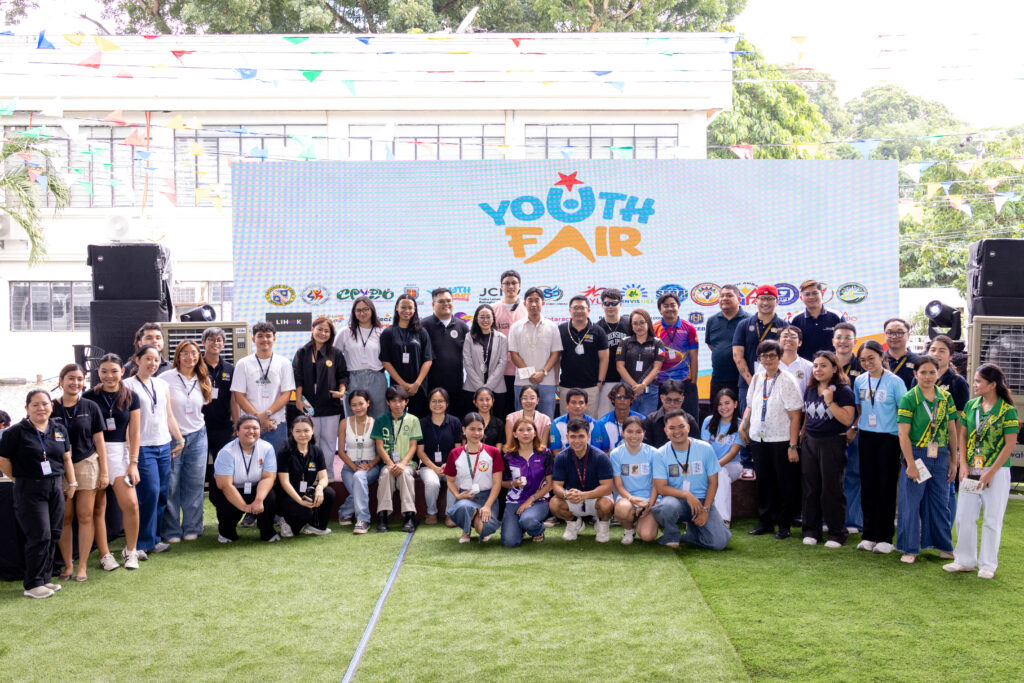
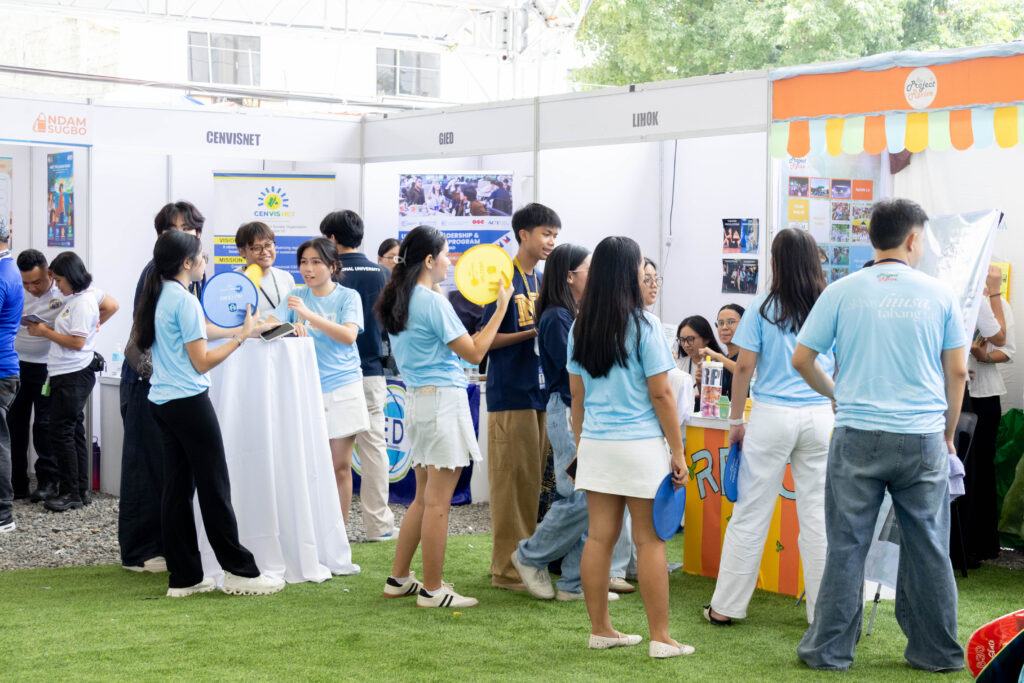
Attached to the summit is the Youth Fair, held from August 26 to 28 at the Cebu Provincial Capitol Grounds. Organized by RAFI in partnership with the Cebu Provincial Government through the Cebu Provincial Youth Development Office (CPYDO), the fair brought together 30 organizations and exhibitors representing different programs, products, and advocacy efforts.
For three days, Cebuano youth explored initiatives, joined activities, and connected directly with organizations working across different sectors. The fair offered a more accessible way for young people to discover opportunities to participate beyond formal discussions and summit sessions.
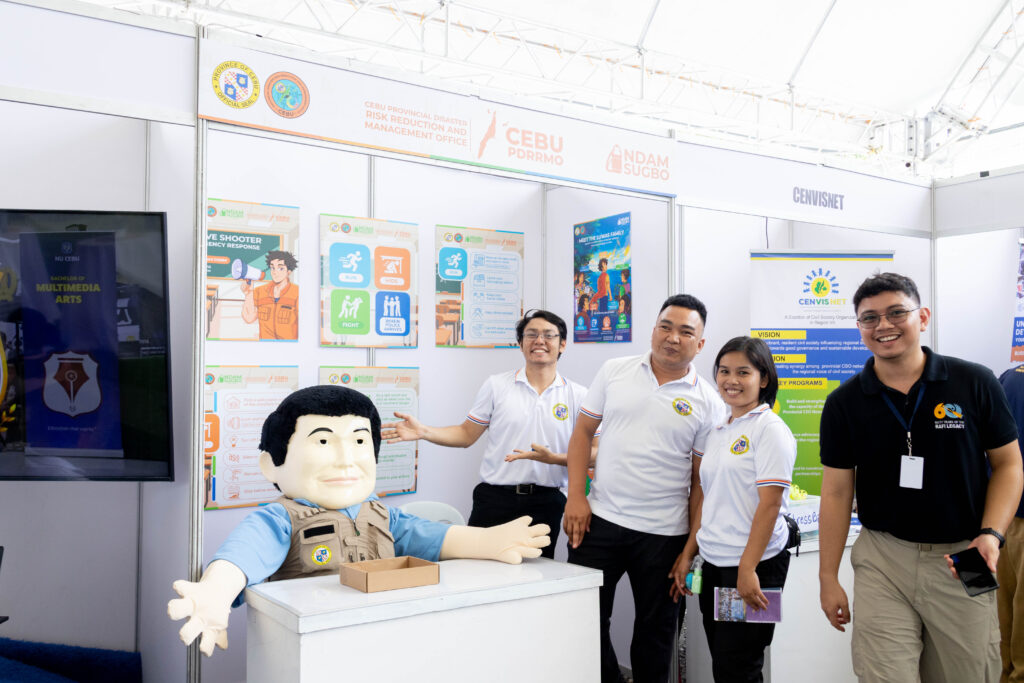
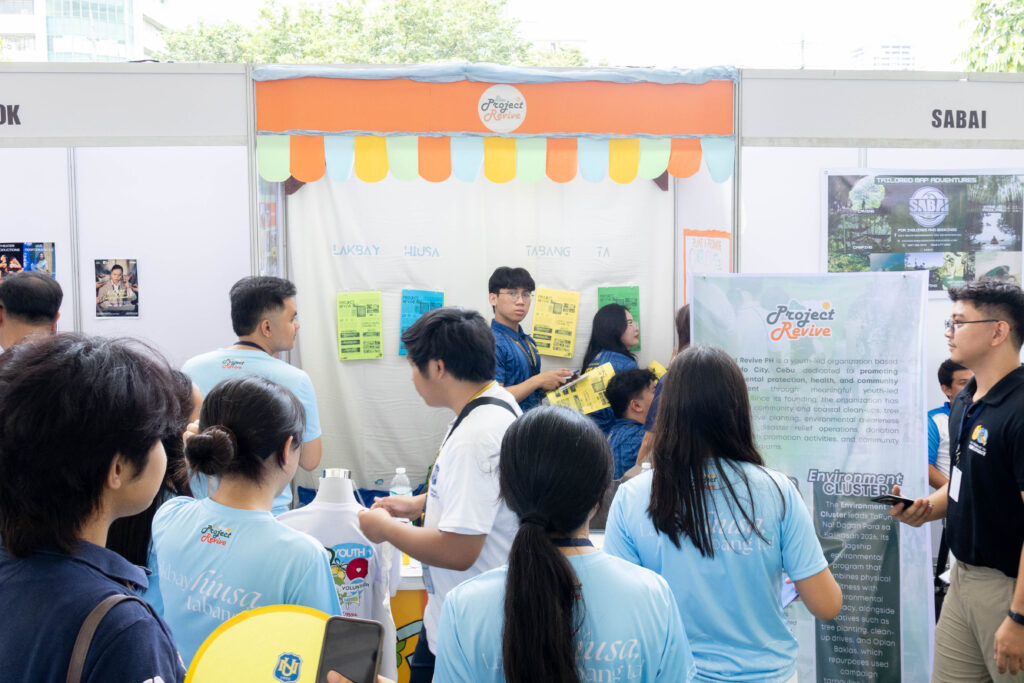
The Youth Summit and Fair also gave organizations and community partners space to exchange perspectives and identify opportunities for collaboration beyond the event.
Discussions covered youth participation in governance, collaboration across municipalities, climate justice, disaster risk reduction, environmental advocacy, inclusion, and health. Sessions on HIV and AIDS, for instance, highlighted the need for better health information, reduced stigma, and youth-friendly services.
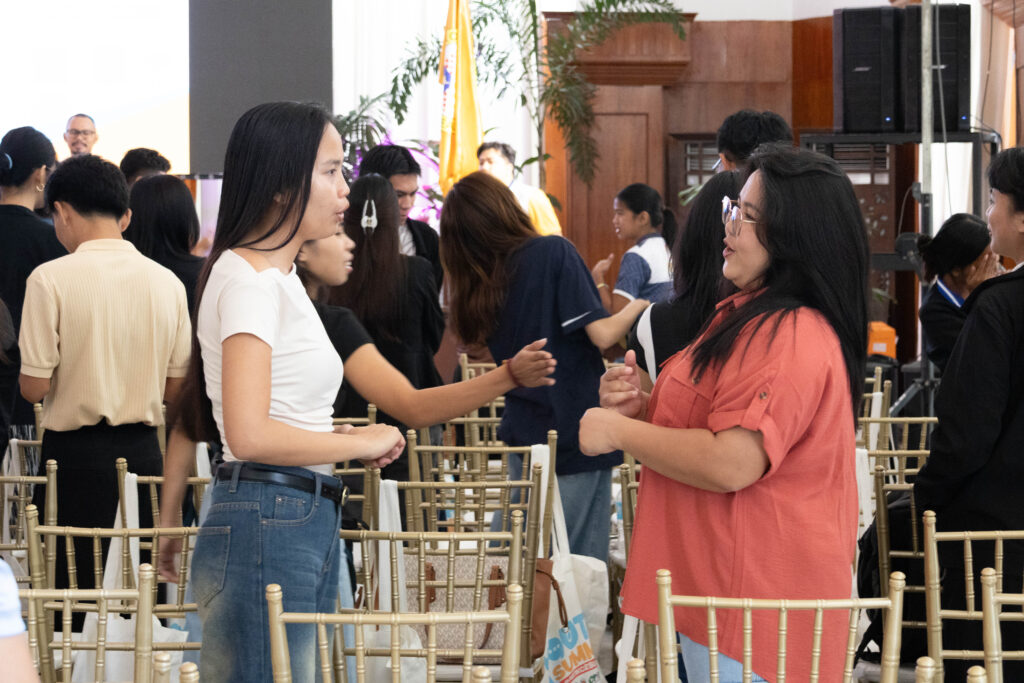
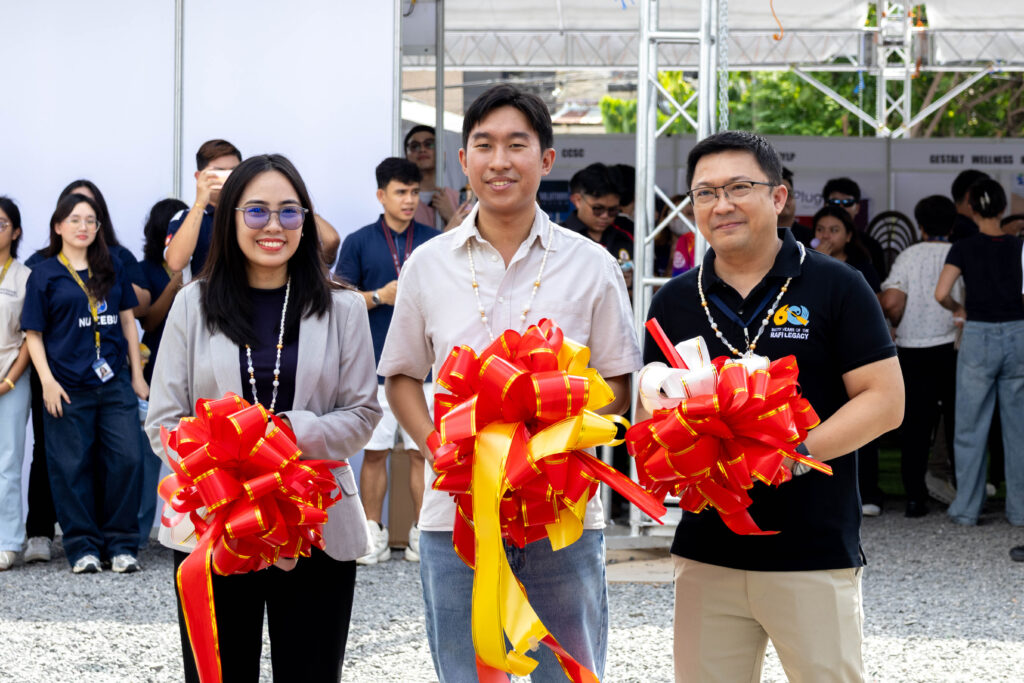
As RAFI approaches its 60th year of service, it continues to support platforms that bring young people, organizations, and community partners into the same conversation. The activities point to a need not only for more programs for young people, but for more spaces where they can connect, speak up, and find ways to take part in the issues affecting their communities.