Cervical cancer remains one of the most preventable forms of cancer, yet it continues to affect thousands of women each year. The key to prevention is early detection. When identified and treated early, cervical cancer has a significantly higher chance of successful treatment and recovery.
Despite this, many women in the Philippines still face barriers to accessing screening services, often delaying check-ups until symptoms become more serious. This is why regular screening and increased awareness remain critical.
Women, particularly those aged 30 and above, are encouraged to consult their healthcare provider about routine cervical cancer screening. Some symptoms that should not be ignored include:
- Bleeding after intercourse, between periods, or after menopause
- Menstrual bleeding that is heavier or lasts longer than usual
- Unusual watery or blood-tinged vaginal discharge
- Pelvic discomfort or pain during intercourse
However, it is important to note that cervical cancer may not show symptoms in its early stages, making regular screening one of the most effective ways to protect women’s health.
As part of its commitment to promoting preventive healthcare and early cancer detection, the Ramon Aboitiz Foundation Inc. (RAFI), through the Eduardo J. Aboitiz Cancer Care (EJACC) program, continues to support initiatives that expand access to cancer screening and health services.
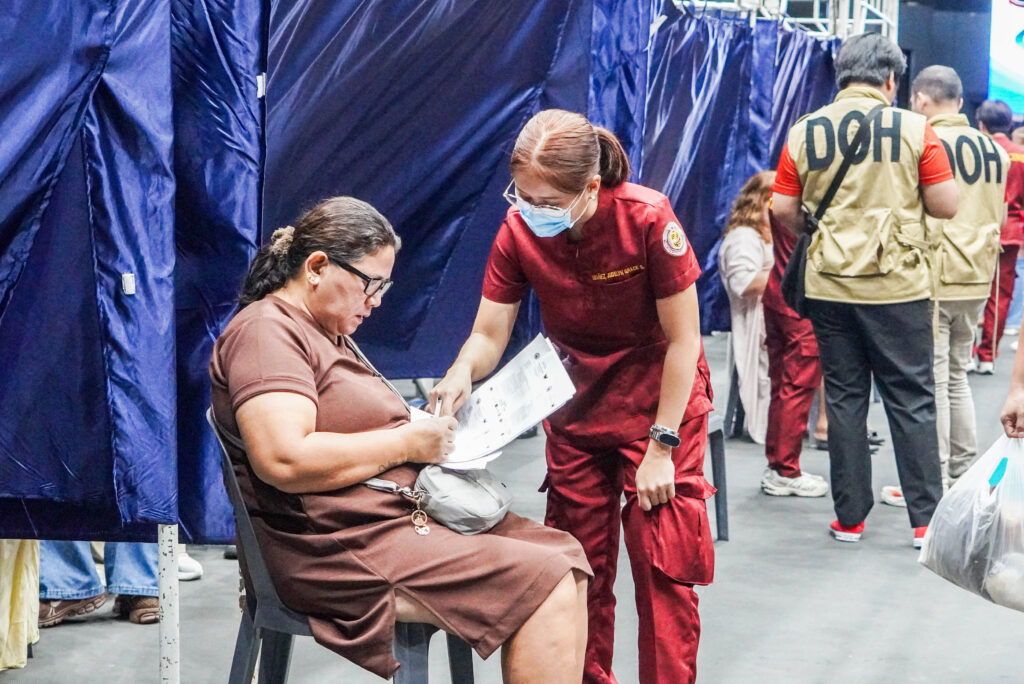
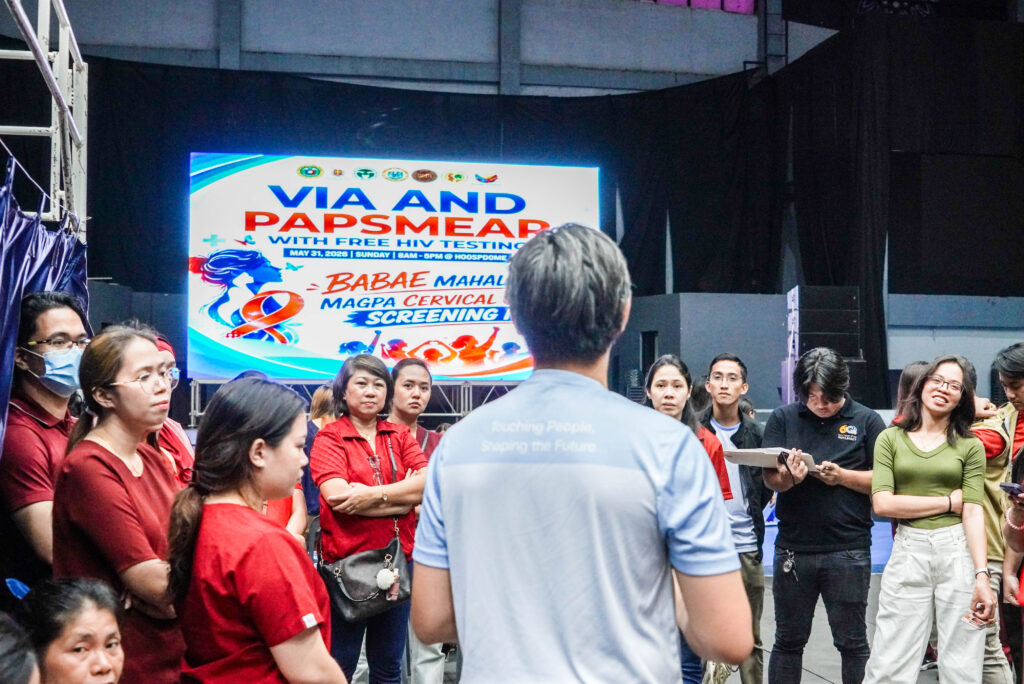
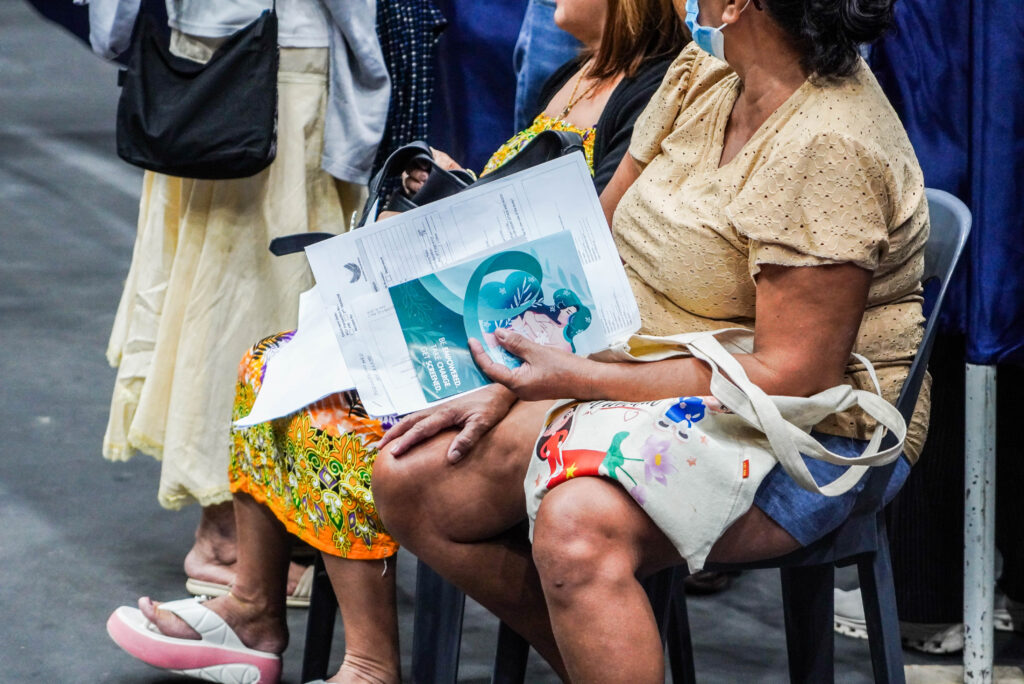
In observance of Cervical Cancer Awareness Month, RAFI partnered with the Philippine Obstetrical and Gynecological Society (POGS) Cebu Chapter to conduct a large-scale cervical cancer screening activity at Hoops Dome in Lapu-Lapu City, Cebu. The initiative reached more than 350 women through free Pap smear and Visual Inspection with Acetic Acid (VIA) screening services.
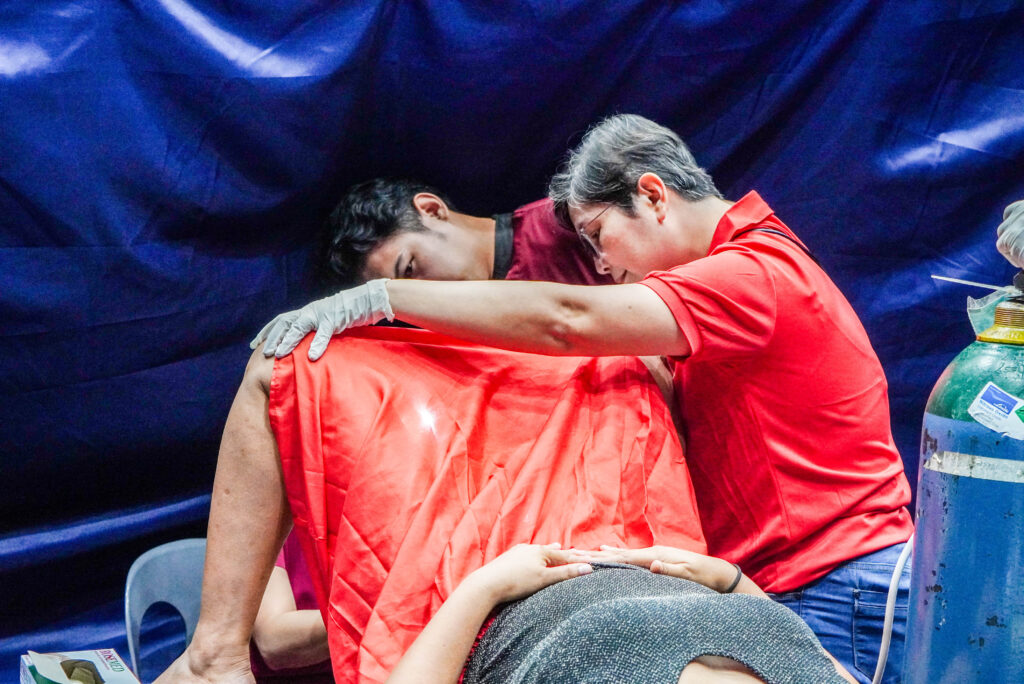
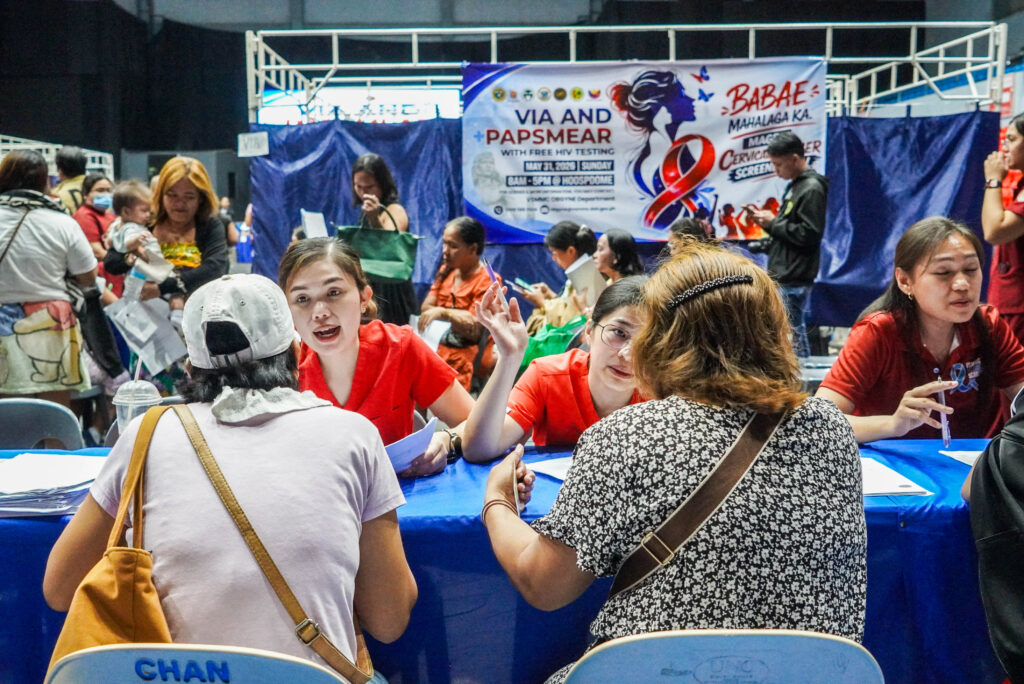
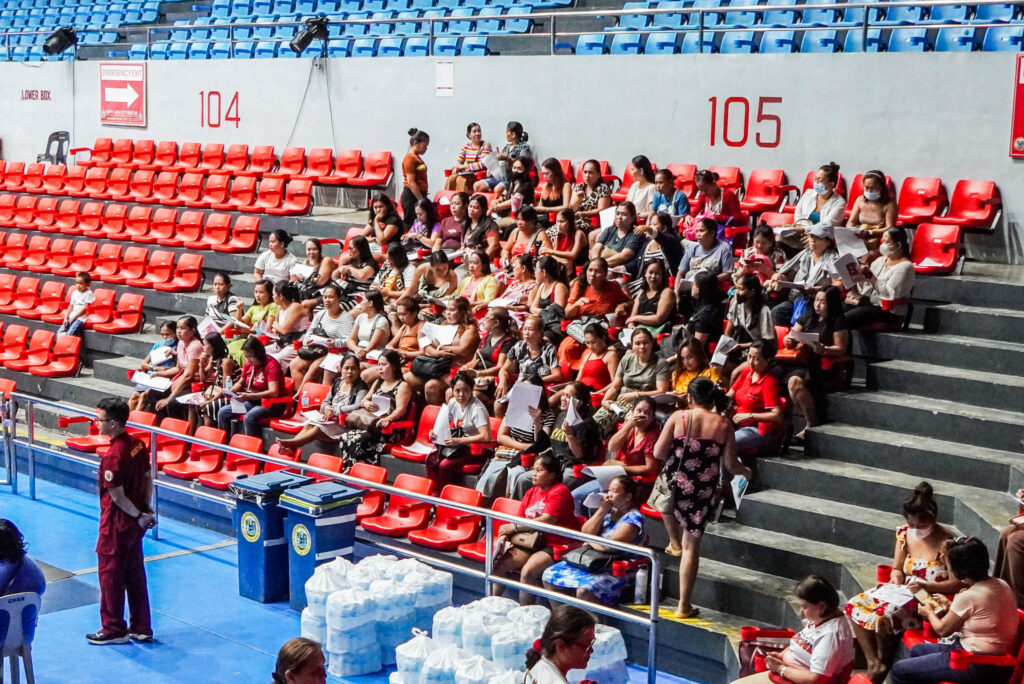
The activity aimed to improve access to early detection services while raising awareness about the importance of regular cervical cancer screening. Through the collaboration, women were able to receive free screenings that could help identify potential health concerns before they become more serious. For many participants, the experience was more than just a medical check-up – it was an opportunity to prioritize their own health.
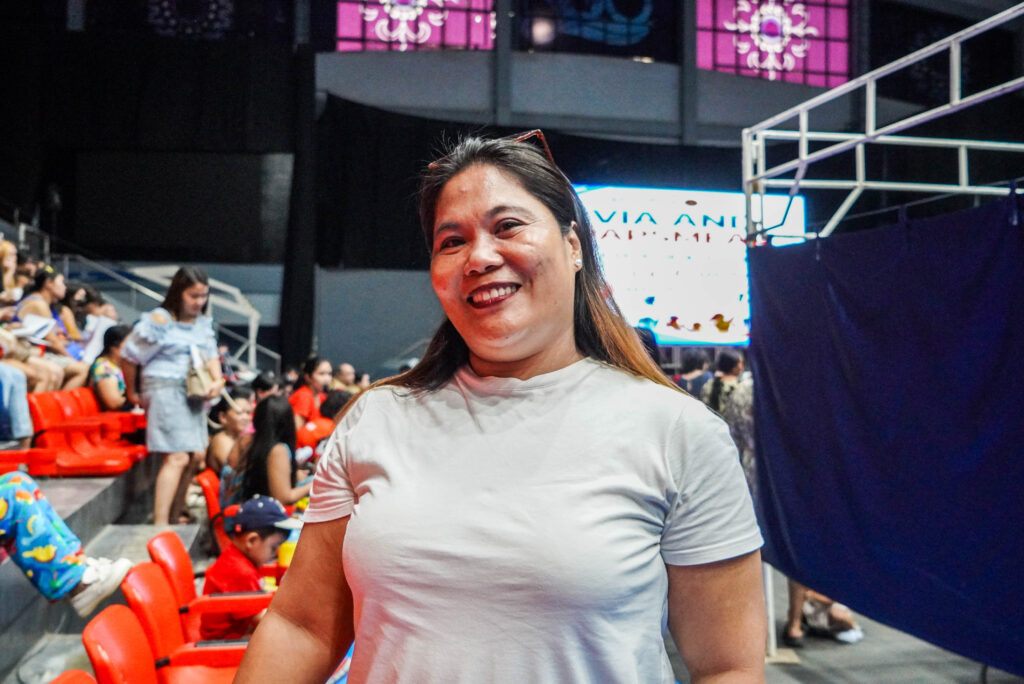
“It is my first time to undergo this checkup. Nindot siya na opportunity kay ma-aware ta as a girl and mother para maproteksyonan atong reproductive health. Naa pod silay ikarefer nato nga libre nga tambal ug matabangan dayon ta unsaon nato para ma-safe ta sa atong gibati.
Maayo gyud nga moapil ta ani nga mga serbisyo kay mahal baya ni sa private hospitals ug usahay dili dayon nato ma-prioritize tungod sa ubang gastohan. Kinahanglan atimanon nato ang atong kaugalingon ug higugmaon nato ang atong kaugalingon. Mga babae, atimanon nato ang atong kaugalingon aron mas maayo usab nato maatiman ang atong pamilya,” shared participant Haydee Pejo.
For women like Haydee, getting screened is more than a health decision, it is an act of self-care.
And sometimes, one simple check-up can make all the difference.
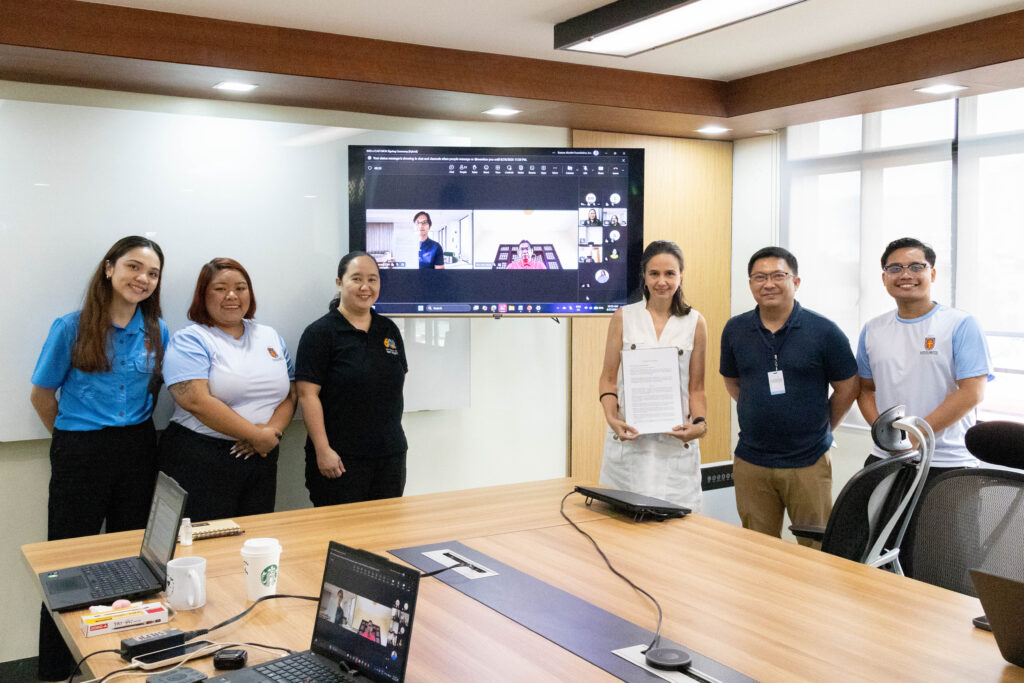
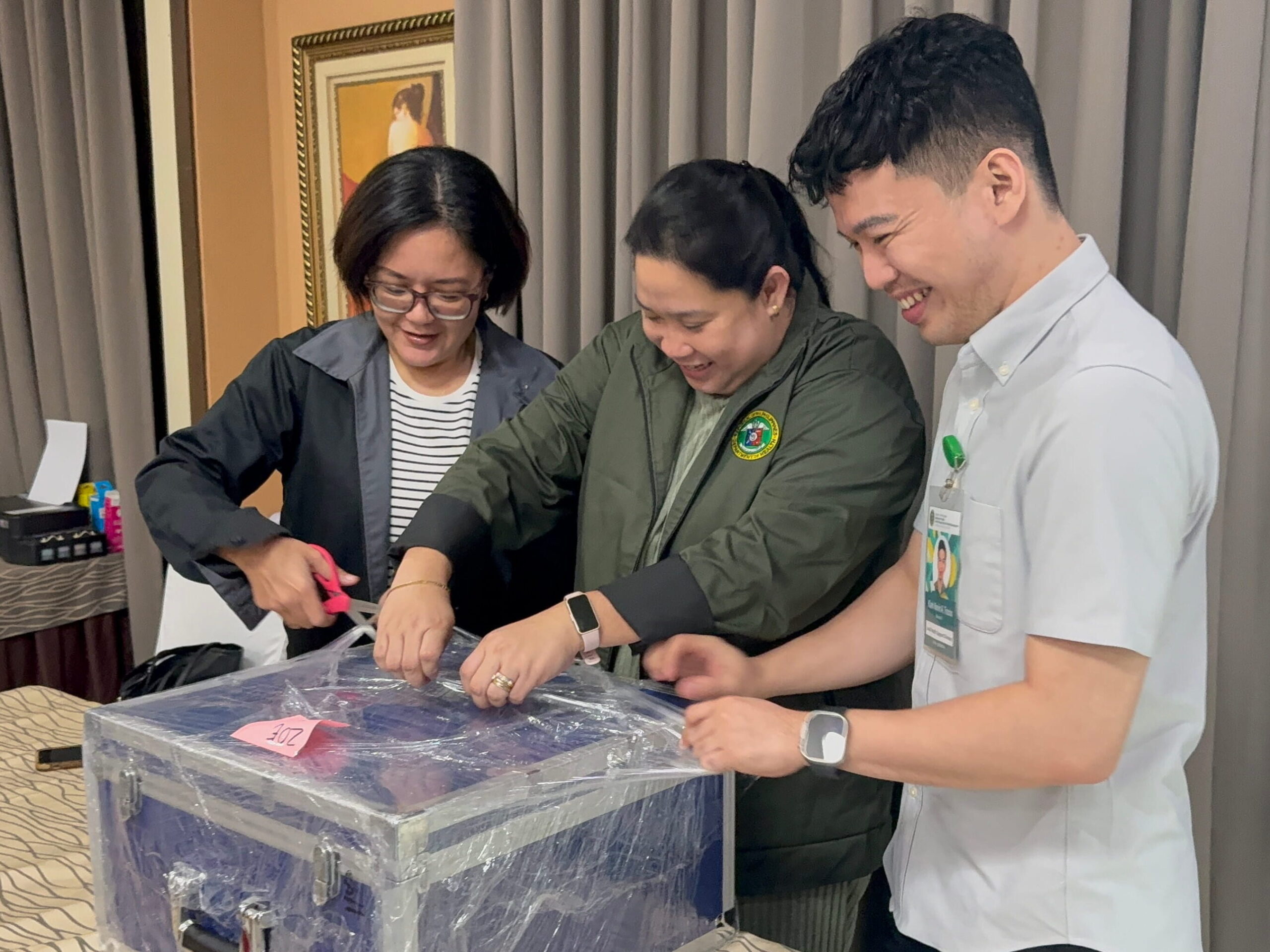
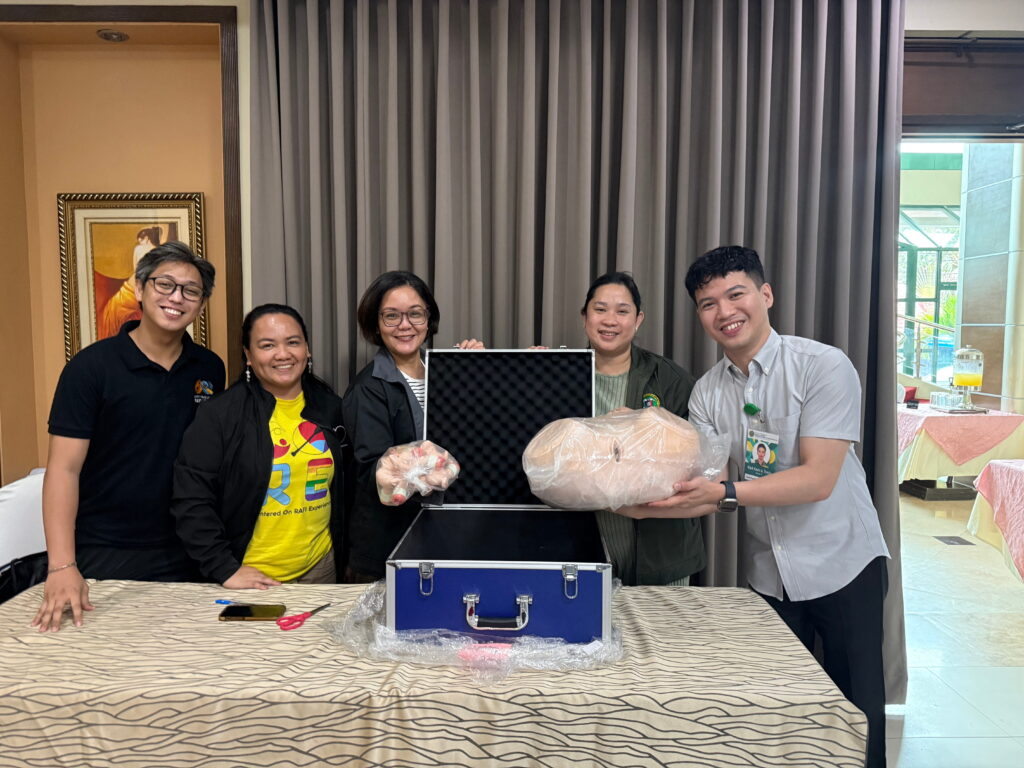
Beyond community screenings, RAFI continues to strengthen cancer care and prevention efforts through partnerships with healthcare institutions and government agencies. As part of its collaboration with the Department of Health, RAFI has donated a Zoe model for further training purposes.
Through EJACC, RAFI advocates for a future where quality cancer care is accessible, compassionate, and responsive to the needs of communities. By supporting cancer awareness, screening initiatives, and partnerships that expand healthcare access, RAFI continues to encourage women to take proactive steps toward protecting their health.