For the Ramon Aboitiz Foundation Inc. (RAFI), being a great place to work means creating an environment where employees feel valued, supported, and connected to the communities they serve.
RAFI has secured its Great Place to Work® recertification, with its overall score rising from 86% to 90%. The results reflect the continued trust and engagement of RAFInians, with 80% of employees participating in the survey despite a year marked by organizational shifts, evolving priorities, and increased demands.
The recognition highlights RAFI’s continued commitment to strengthening a workplace culture rooted in care, collaboration, and resilience.
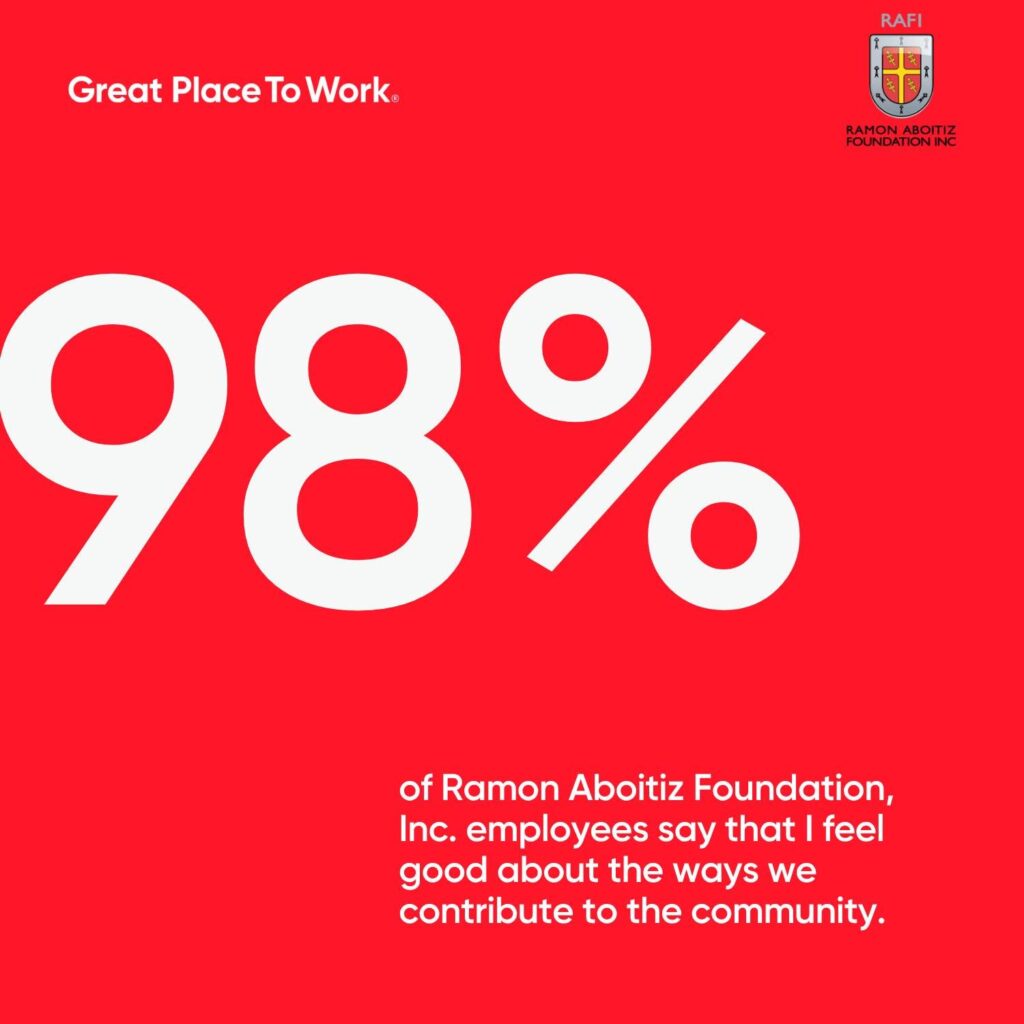
Among the highest-rated areas were employees’ pride in contributing to the community, access to the resources needed to perform effectively, and a strong sense of fairness and inclusion in the workplace, with 98% of respondents affirming these experiences.
RAFI Chief Operating Officer Ms. Riella B. Guioguio emphasizes that the recognition represents more than a survey result.
“A great place to work isn’t just about a survey, it’s really about the consistency of the people, of the team, of the organization to show up when it’s difficult. To consistently show care and love for its people when it’s difficult,” she shared.
“It’s not just a score that resulted from a survey. It speaks from a deeper language to really show to us the effort of everyone in this organization—to constantly improve, to constantly show how we care for the well-being of our employees and our teams.”
Inside RAFI: Finding Purpose Through Community Transformation
Behind every program and initiative are RAFInians who continue to find meaning in the work they do.
For Max Palen, Project Lead and a RAFInian for 17 years, his journey with RAFI has been shaped by the opportunity to contribute to meaningful change in communities.
His work has allowed him to support different initiatives, from helping students and schools to working alongside farmers and communities. For him, the greatest fulfillment comes from seeing how these efforts translate into real transformation.
“It’s very aligned with my field and profession. What gives me fulfillment is knowing that I have been able to make a significant contribution, especially in supporting students and schools, and most especially our farmers, where we have created a meaningful impact. I truly love my work because I know that through it, I am able to help and make a difference in our communities.”
For Sir Max, the impact of RAFI’s work can be seen through the stories of the people and communities who continue to move forward.
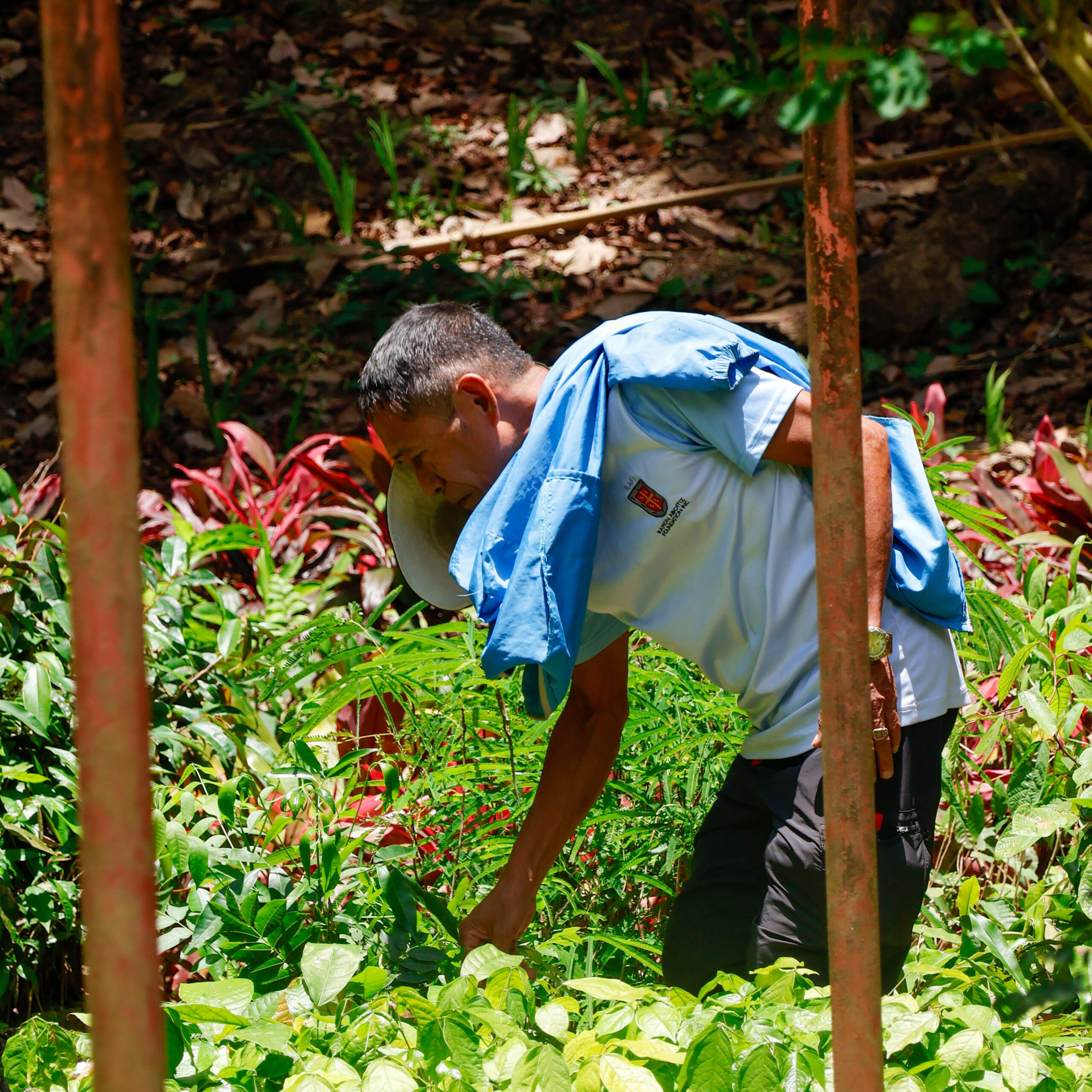
“What moves me forward is hearing the stories of our community partners who have been able to build homes and expand their sources of livelihood, such as poultry farming, because of the support they received. It is also inspiring to witness forests being restored and communities becoming more resilient.”
His connection to RAFI’s environmental work is reflected in the native trees he helps restore, particularly the banaba tree, which he sees as a reflection of his own journey.
“Banaba, because it has medicinal qualities and its flowers are especially beautiful. It is also a very strong tree. I can relate its dignity and resilience to myself because the Banaba can withstand strong winds and does not easily fall. I see that same strength in myself.”
For Max, planting trees is more than restoring forests. It is about helping communities recover and creating a future where nature and people can thrive together.
“Our tree planting efforts are about restoring our environment. We have experienced many typhoons that have significantly damaged our forests, which is why we advocate for growing native trees.”
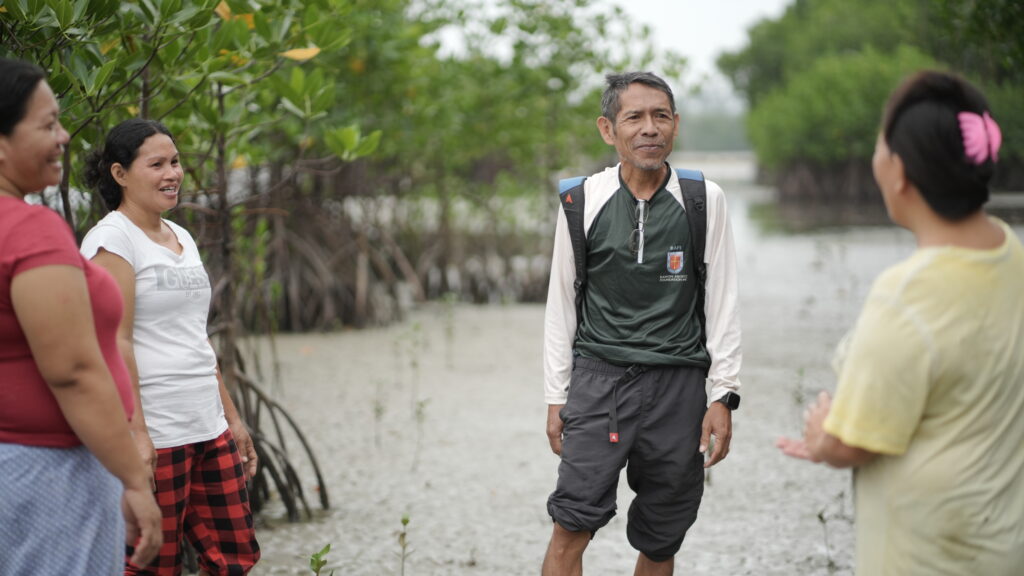
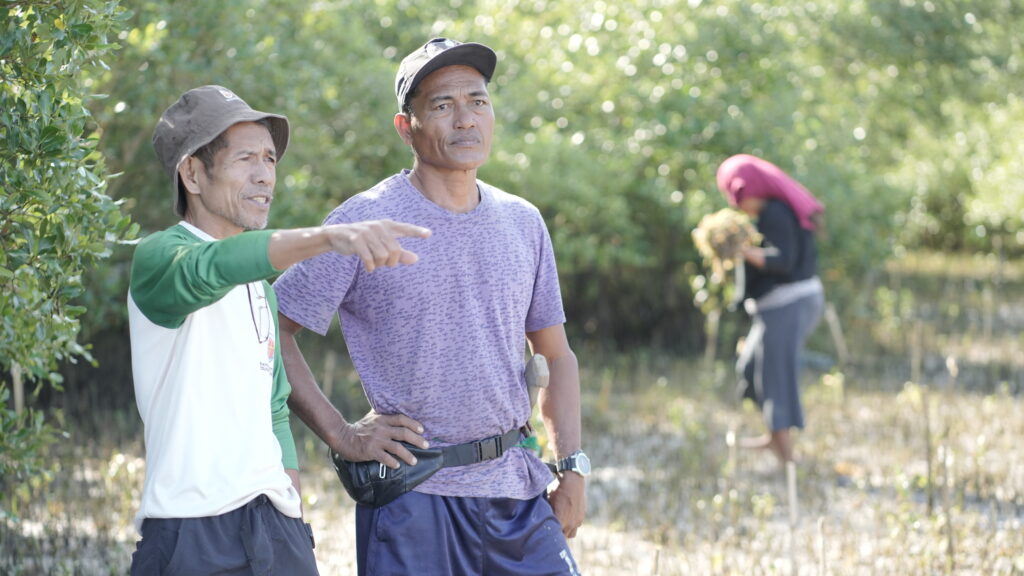
Like the banaba tree, Max’s story reflects resilience, growth, and the strength that comes from staying rooted in purpose.
For RAFI, building a great place to work means nurturing people who are empowered to create impact—not only within the organization but in the communities they serve.Because behind every transformation is a team of RAFInians who continue to show up, care deeply, and grow together.
]]>Dating back on November 4, 2025, Typhoon Tino, struck Cebu bringing heavy rains and strong winds. Floodwaters rose and swept away homes and belongings, leaving families displaced and communities in distress.
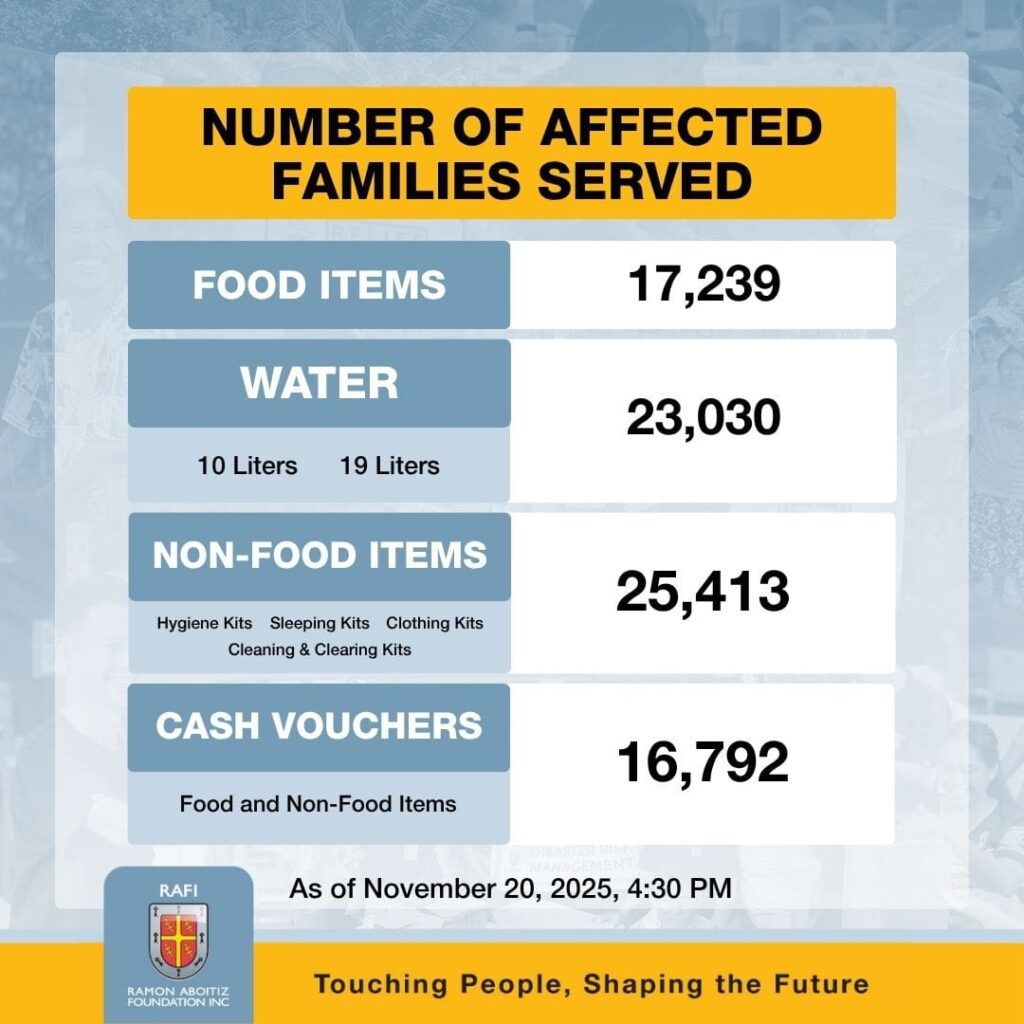
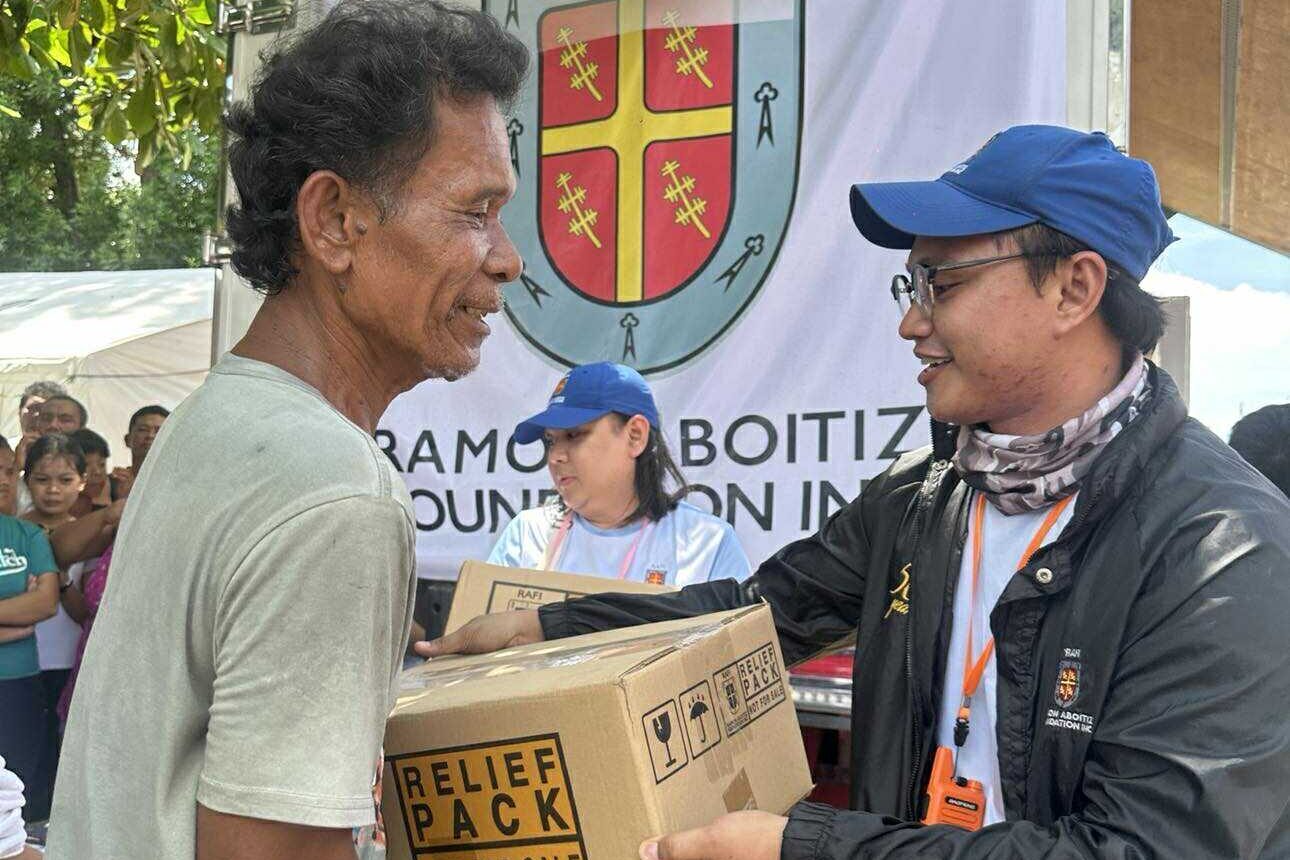
RAFI reached the communities of the Municipality of Asturias, Municipality of Balamban, City of Cebu, Municipality of Compostela, Municipality of Consolacion, City of Danao, Municipality of Liloan, City of Mandaue, and City of Talisay. Residents received food, water, and essential non–food items. These included cleaning and clearing kits, hygiene kits, clothing kits, and sleeping kits. Psychological first aid was also provided to help families regain their footing after the disaster.
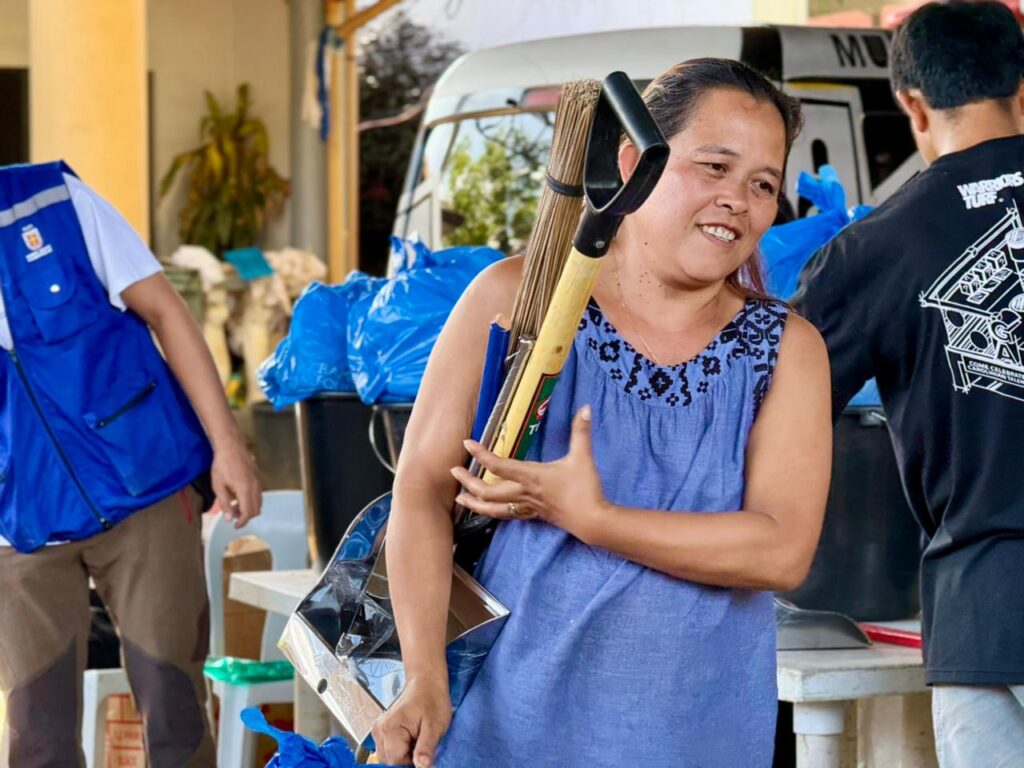
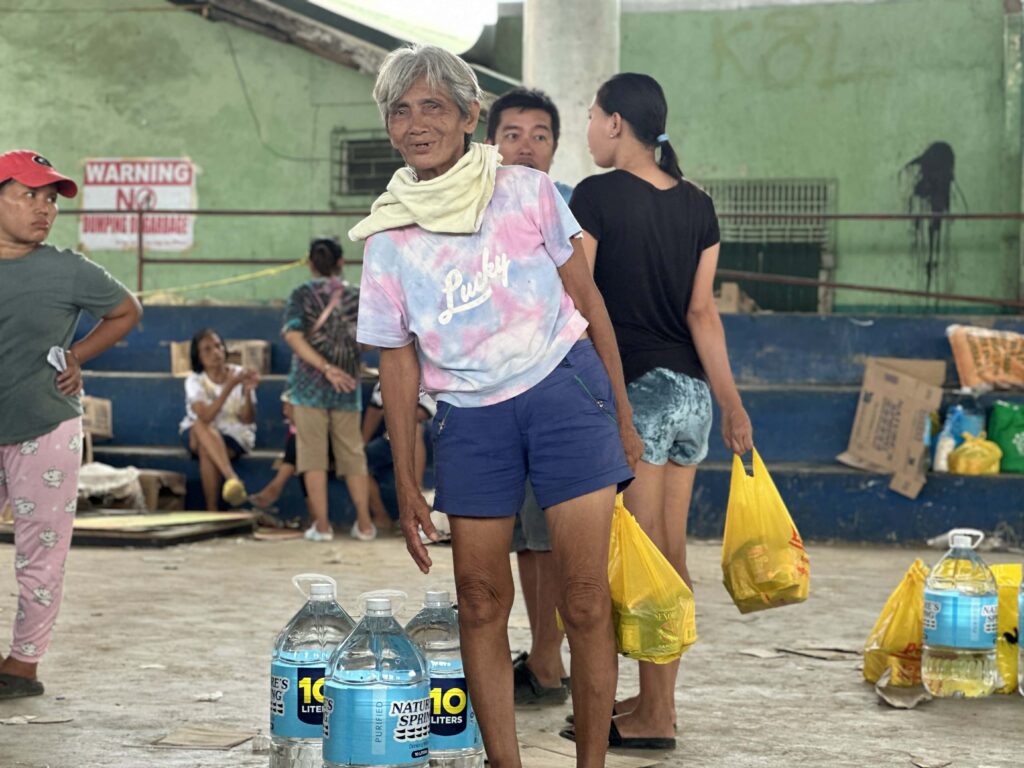
This work was made possible through the effort of volunteers, partners, organizations, and individuals who continued to serve even as they faced the same storm. Every contribution turned into relief that reached families in need. Every effort carried comfort, dignity, and a sense of not being forgotten.
As of November 20, 2025, and with the close of operations, RAFI has raised ₱7,462,504.00 in cash donations and ₱187,850.00 worth of in–kind support. All donations were used to serve families affected by Typhoon Tino.
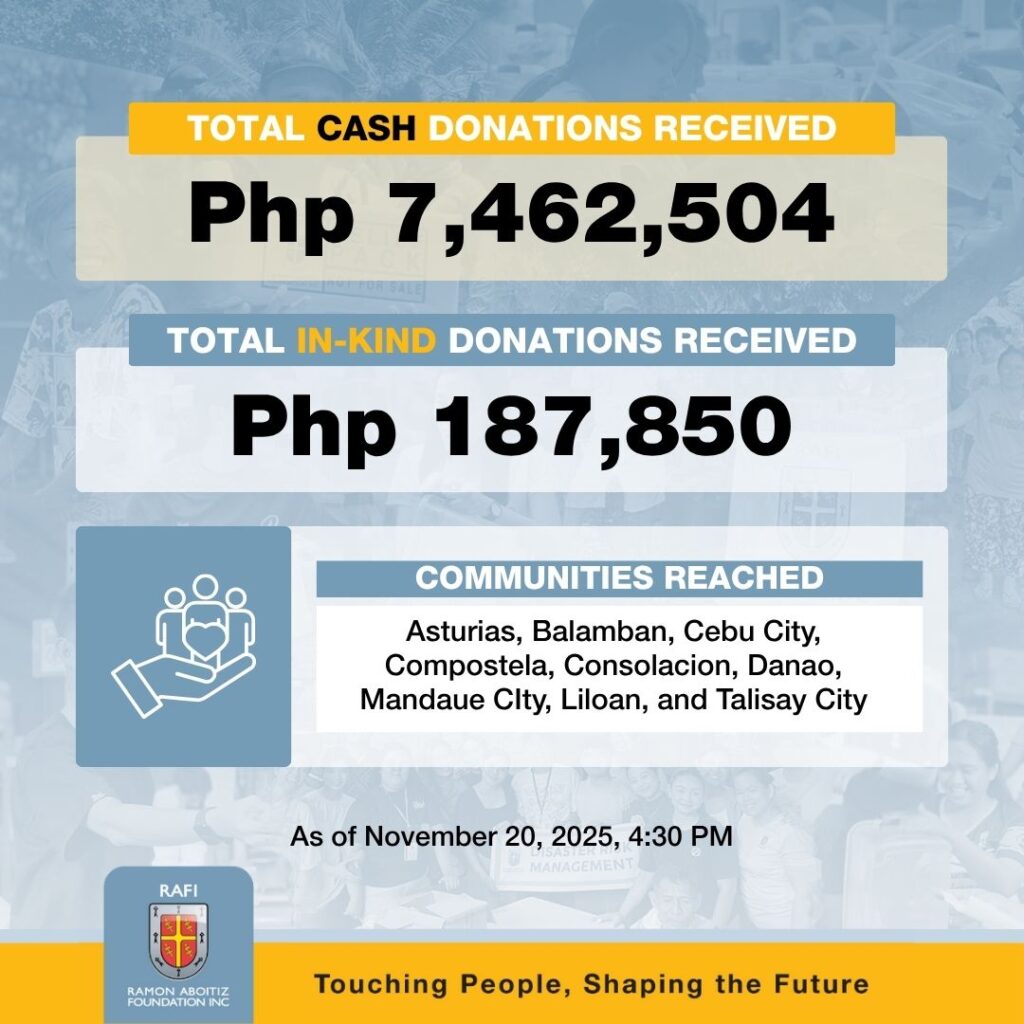
RAFI expresses its heartfelt gratitude to the following partners for their generous contributions:
CASH
- K. Savickas
- Scott L.
- Michael Jack Acedo
- STC HS Batch ’86
- Sergio and Bettina Osmeña
NON-CASH
- JP Morgan & Chase Co.
- Maxime and Pilmico
From the Ground
The aftermath of Typhoon Tino left a deep mark on communities. The impact showed in stories shared by families and organizations who lived through the flood. Kidslife Foundation, one of RAFI’s partners, serves children from some of the most affected areas.
Most of their students faced loss. Many lost homes, belongings, or a sense of safety. Kidslife Project Coordinator Mary Cristine Jayme shared how overwhelming the situation felt. Yet support from partners helped them stand beside their children and families in their time of need.
“We are grateful to RAFI kay di mi mabyaan. Kung kinahangalan mi’g tabang, naa si RAFI motabang. As a nonprofit organization, we are grateful to organizations like RAFI nga nay dakong kasing–kasing nga motabang kay ug kami lang, di man namo kaya,” Mary Cristine shared.
Her words echo the experience of many. Community and compassion became the hands that lifted families back to their feet.
Paddling Forward
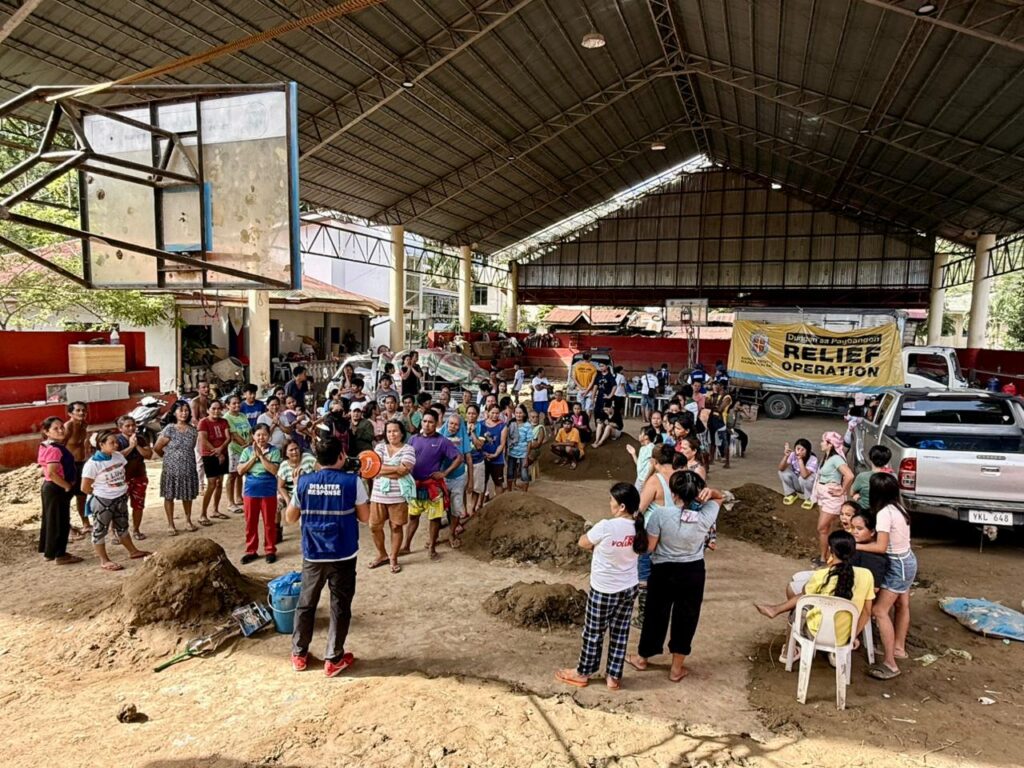
RAFI sees and understands need that remains. Many families are still rebuilding lives and returning to stability at their own pace. As one of many organizations responding, RAFI continues to do its part and extends support to the communities.
RAFI remains committed to serving communities with care, respect, and compassion. The work continues. The commitment stays. We paddle forward.
]]>The Ramon Aboitiz Foundation, Inc. (RAFI) marks its 59th year of service to communities in Cebu. In the light of the recent disasters that struck the province, we reaffirm our commitment to bring hope, relief, and rehabilitation to affected communities. At the core of the Foundation are its values of service, God-centeredness, integrity, and respect. These values ground our work, especially in moments of crisis and calamity.
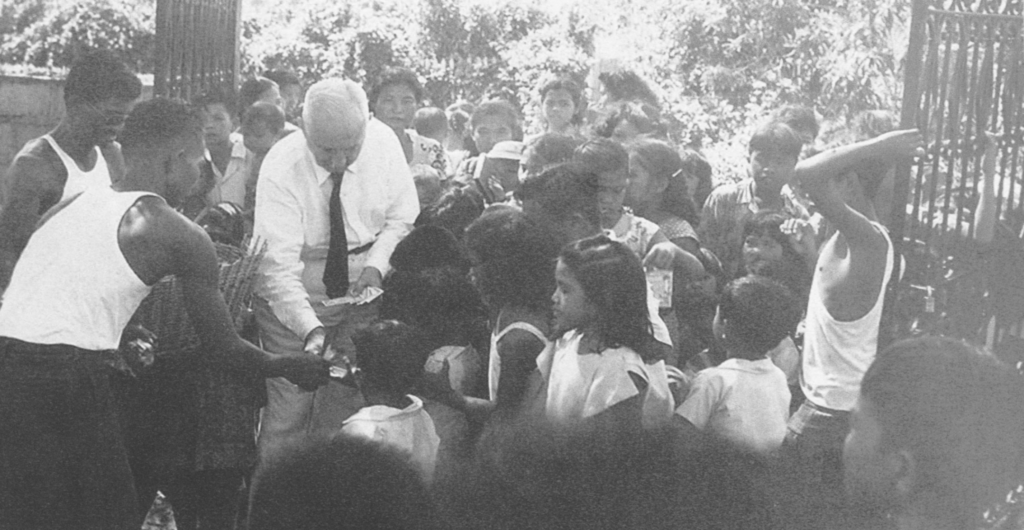
RAFI draws inspiration from the example of Don Ramon Aboitiz. He lived through the Second World War and supported the homeless and the less fortunate during that time. He helped communities rebuild and recover. His philosophy remains alive in the Foundation today. RAFI stands with communities and shares the weight of the challenges that communities face that follow every disaster.
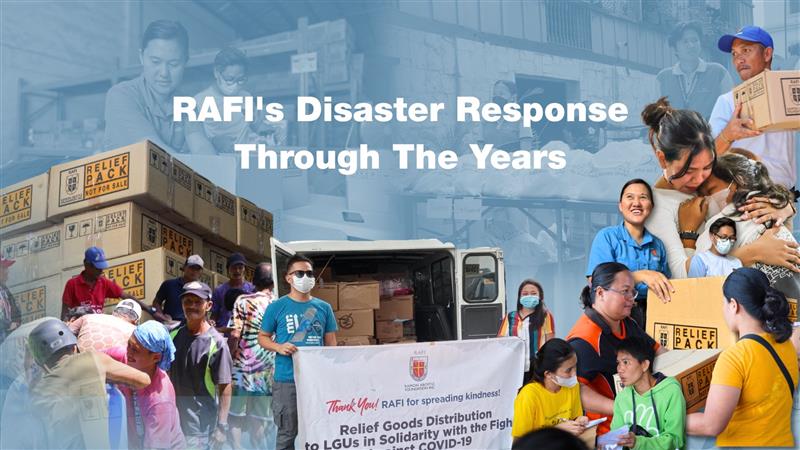
RAFI’s Relief Operations Over the Years
1976
- RAFI helped form the Cebu Integrated Relief Committee (CIRC) after Typhoon Didang. The CIRC was composed of representatives of the government and the private sector. The effort, however, lasted only during Cebu Governor Eduardo Gullas’ term.
1988
- It launched its first major relief operations after Typhoon Yoning, repairing 1,300 damaged homes and supporting 8,000 survivors with USAID support.
1990
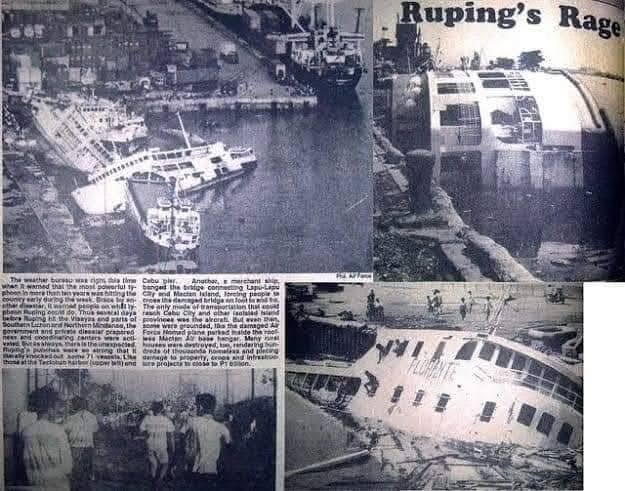
- In response to the devastation of Typhoon Ruping, RAFI was tapped by the Cebu City Government as lead agency in relief and rehabilitation work.
- RAFI also led a fundraising drive, and provided relief packs to 3,419 families with the help of USAID.
- On the same year, RAFI joined relief operations after the Northern Luzon earthquake, extending help beyond Cebu.
1991
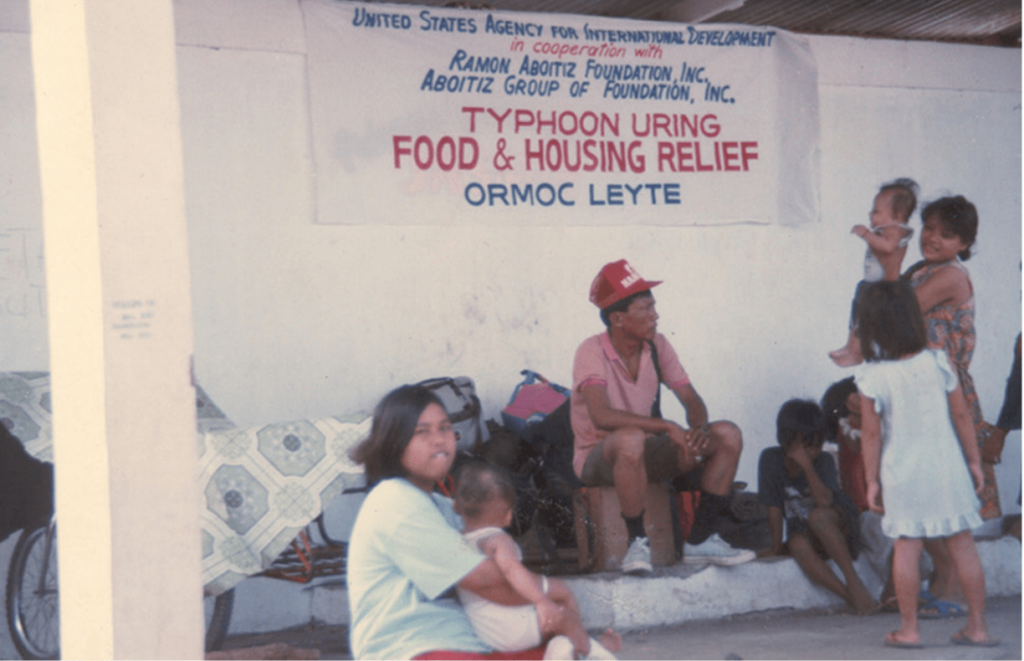
- It responded to the Ormoc flood after Typhoon Uring. Under “Operation Ormoc”, it built 4,200 relocation housing units for survivors, installed health and sanitation facilities, and provided professional trauma management services.
1998
- When El Niño affected Cebu, RAFI and Aboitiz Foundation aided 5,964 households in 12 Cebu municipalities with food and agricultural support.
2006
- After the Guinsaugon landslide in St. Bernard, Southern Leyte it co-implemented “Tabang: St. Bernard, Leyte”, raising funds for educational and psychosocial assistance to affected students and suvivors.
2013
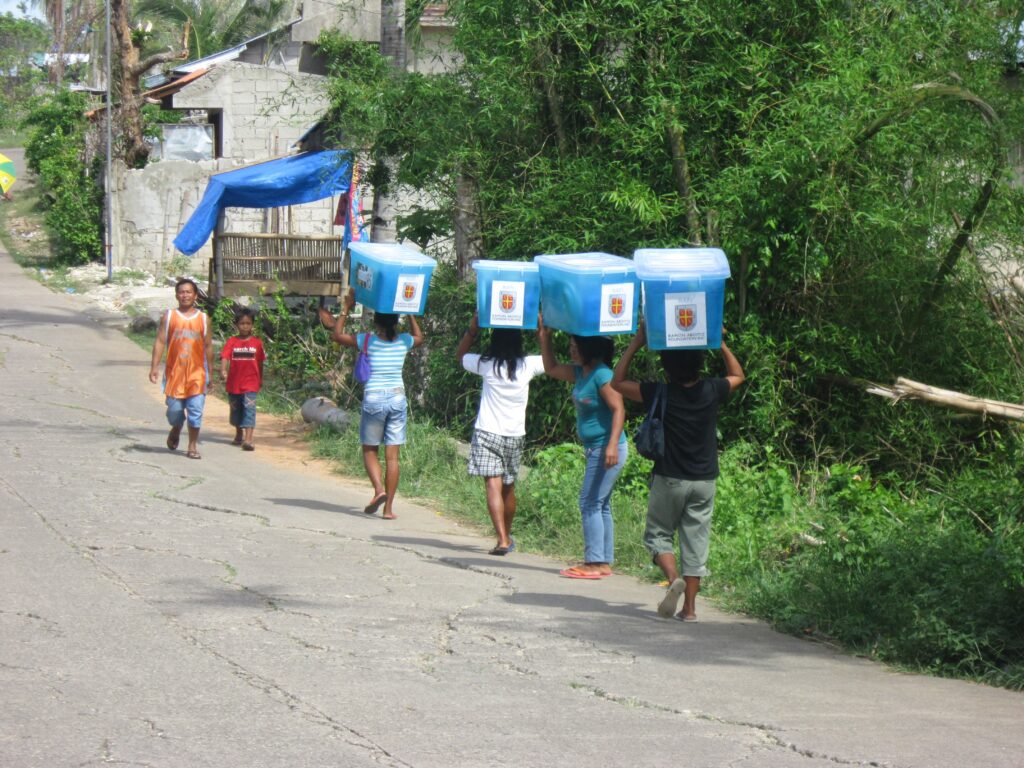
- RAFI responded to two major disasters: the Bohol earthquake and Super Typhoon Yolanda (Haiyan).
- RAFI aided 8,876 earthquake-affected families in 136 barangays across Bohol.
- In response to Super Typhoon Yolanda, RAFI provided food and water to 88, 769 families, distributed shelter kits, and helped rebuild schools and daycare centers to support long-term recovery.
2020

- RAFI responded to the COVID-19 pandemic. RAFI distributed food relief packs and hygiene kits across Cebu and nearby islands, including support for street dwellers, and stranded individuals. It also provided PPE for frontliners and offered transportation assistance.
- It also installed “hunaw” stations, partnered government and private partners to set up COVID isolation centers, and supported free ambulance services and blood donation drives.
2021 – 2022
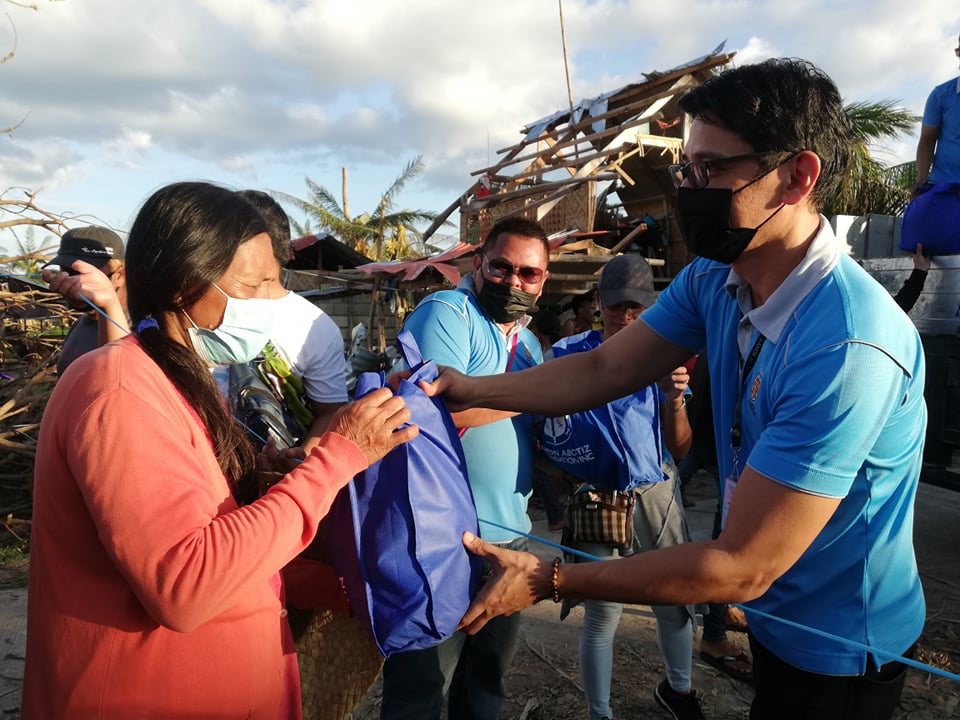
- Super Typhoon Odette hit Cebu in late 2021. In response, RAFI provided immediate relief to more than 210,000 families, distributing relief packs, drinking water, and shelter kits.
- It also provided psychosocial support to more than 4,218 individuals including children and first responders.
2025
- RAFI is currently responding to two closely-occurring disasters that struck Cebu: the magnitude 6.9 earthquake and Typhoon Tino.
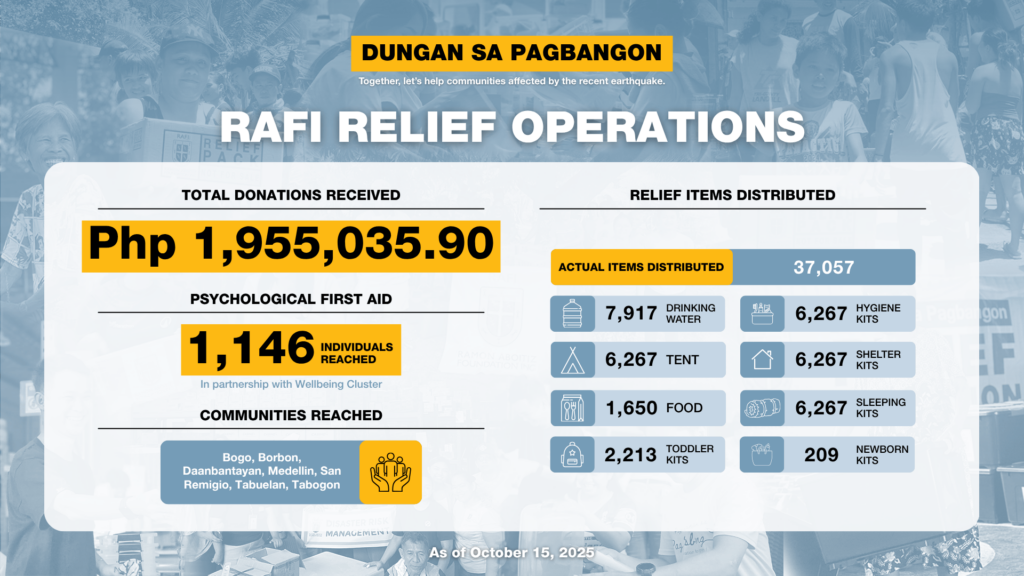
- To aid earthquake survivors, RAFI distributed 37,057 food and non-food items and provided psychological first aid to 1,146 individuals with the Wellbeing Cluster. It is currently delivering emergency relief for typhoon-affected communities, while continuing recovery and rehabilitation support for earthquake survivors.
Paddling Forward
RAFI continues to support communities in Cebu in times of peace and in times of disaster. This Foundation Day marks another year of service and steadfast commitment. We paddle forward in the face of adversity. We remain present for the community and remain anchored in the work of helping Cebu rise back up again.
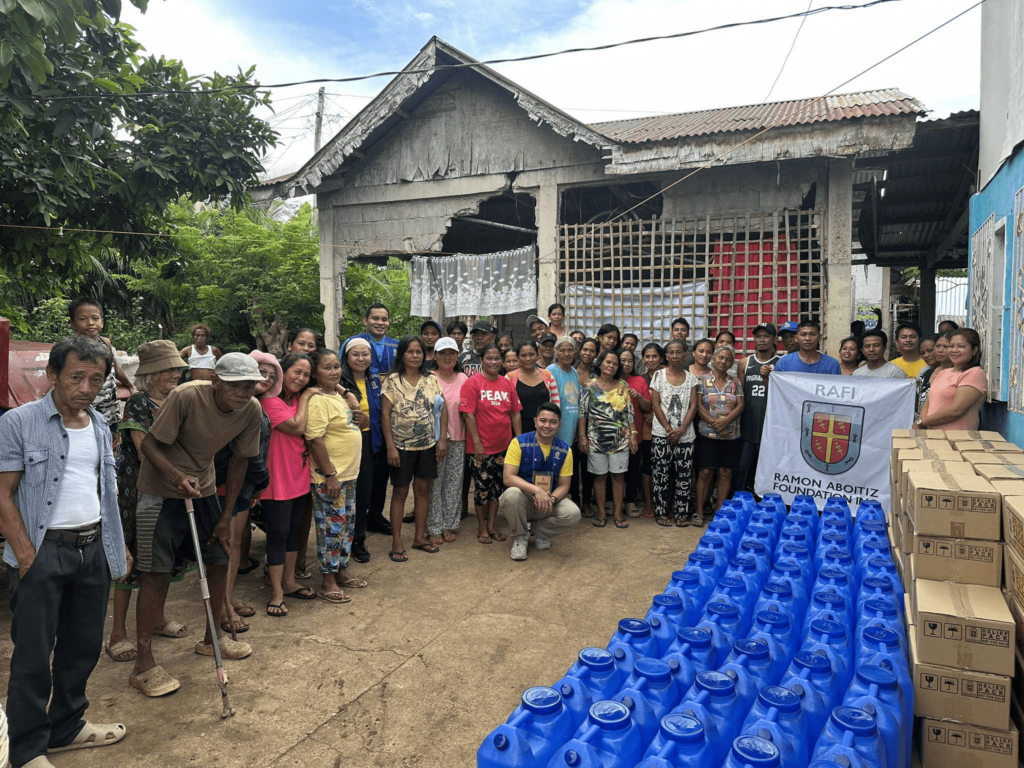
]]>As of October 15, 2025, RAFI has reached seven heavily affected in Northern Cebu: Bogo, Borbon, Daanbantayan, Medellin, San Remigio, Tabuelan, and Tabogon. Residents in these areas received essential food and non-food items to aid their recovery following the disaster.
In partnership with the Wellbeing Cluster Philippines, RAFI also provided psychological first aid to more than 1,000 individuals, addressing the mental health needs of affected families.
Through the compassion and support of our donors, ₱1,955,035.90 was raised under the Dungan sa Pagbangon campaign—making it possible to deliver much-needed non-food supplies to affected families.
RAFI expresses its heartfelt gratitude to the following partners for their generous contributions:
- Alexander Uy of Bacolod Filipino Chinese Chamber and Industry Foundation, Inc.-
- Gallagher Insurance Brokers (Philippines) Inc.
- Picnic Health
- The Cebu Indie Music Community
- The Royal London Renal Outpatients Department
In addition, non-cash donations were received from:
- Foodpanda Philippines
- JCI Cebu – Mactan Channel
- Maxime and Pilmico
RAFI’s Phase I Relief Timeline:
In times of disaster, RAFI stands with the least, the last, and the lost. Below is the timeline of actions taken during the initial phase of the emergency response:
- October 1 – Activation of RAFI’s Emergency Operations Center (EOC)
- October 2 – 3 – RAFI EOC coordination with the Provincial Government
- October 4 – Launch of Dungan sa Pagbangon campaign, RAFI’s emergency response campaign
- October 5 – 14 – Packing of Food and Nonfood items
- October 6 – Coordination with the Provincial EOC to align RAFI’s response
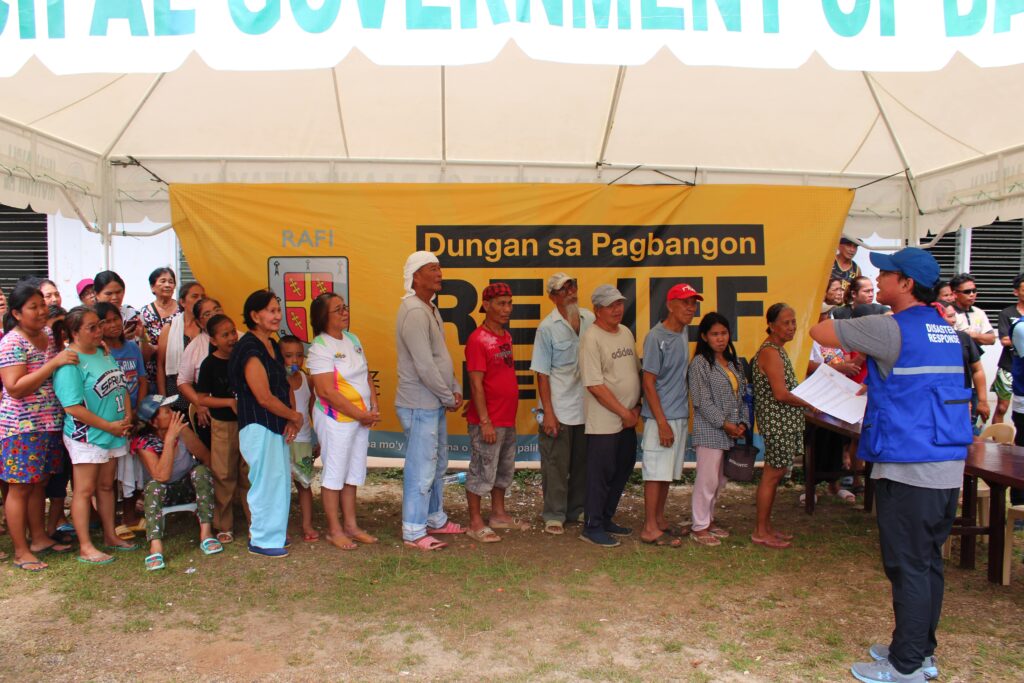
- October 7 – First batch of distributions to the hard-hit towns of Bogo and San Remigio
- Opening of Dungan sa Pagbangon Cash Donation Channel
- October 8 – 15 – Deployment of RAFI teams for distribution of food and non-food items
- Psychosocial First Aid in partnership with Wellbeing Cluster Philippines
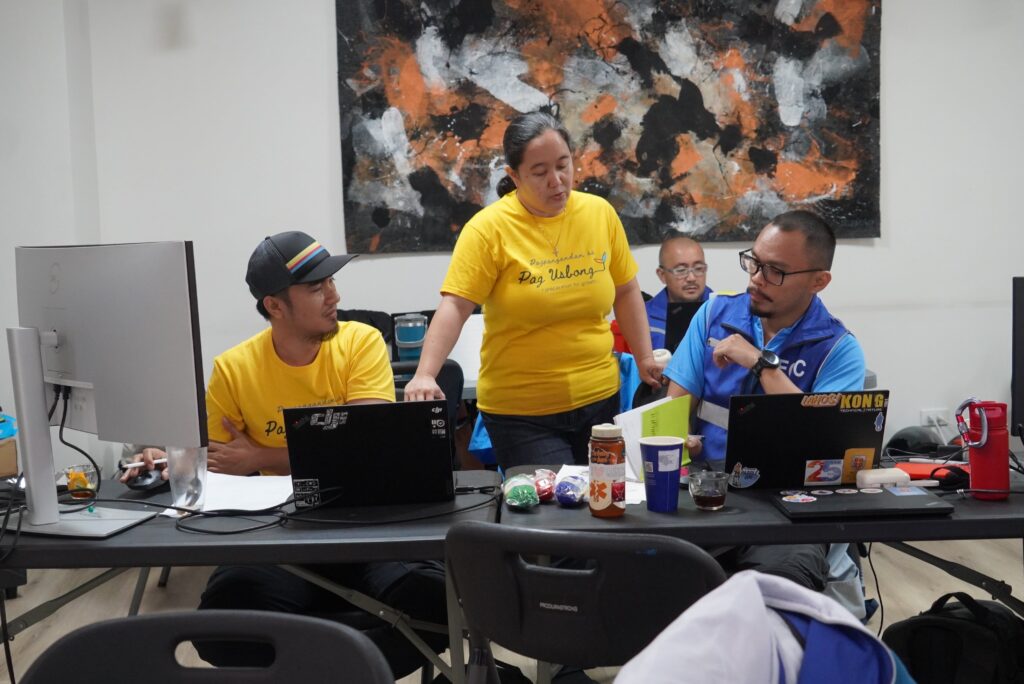
RAFI’s Three-Phase Disaster Response Approach
RAFI’s emergency relief efforts follow a structured three-phase framework:
- Phase I – Relief: Immediate provision of food, non-food items, and psychological first aid to affected households.
- Phase II – Recovery: Early recovery phase (Possible interventions: livelihood support, permanent shelter materials and or vouchers)
- Phase III – Rehabilitation: Possible interventions on school repairs and rebuilding
Dungan sa Pagbangon
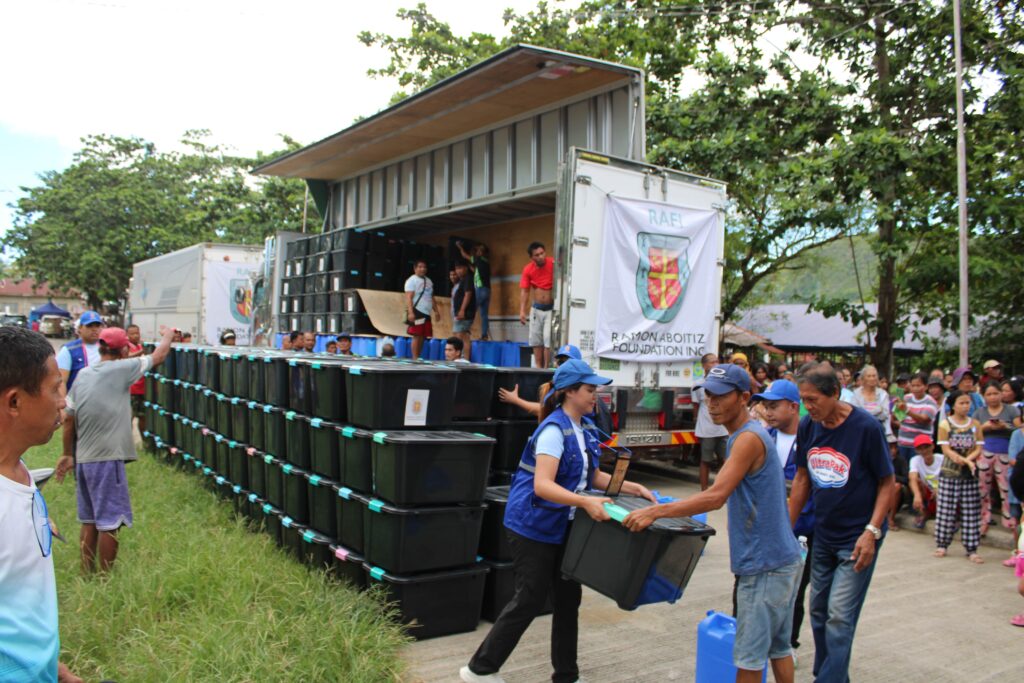
On and on, RAFI believes that the road to recovery is built through collective action; when every member of the community comes together. In the spirit of unity and compassion, we will rebuild stronger and together.
As an Architect of Change, RAFI will continue to support the affected communities, creating spaces and opportunities for meaningful action and lasting recovery.
No effort is too small. Even the simplest words and actions can create ripples that positively impact the lives of those affected.
]]>During our visit, we had the chance to speak with Tatay Jesus about his experience during the earthquake. For him, the greatest miracle was that his family survived unharmed. Yet even now, they haven’t been able to sleep inside their home. Fear and anxiety still linger in this uncertain time. Despite this, Tatay Jesus presses on, doing what he can to rebuild and rise again.
He doesn’t ask for much. His dream is simple: to have the materials needed to rebuild their home, so his family can finally rest safely to restore a little bit of normalcy in their life. Even in the face of hardship, he remains hopeful. His smile radiates strength and hope and has become a quiet inspiration to many.
In times of crisis, it’s often the simplest things; a smile, a kind word, a helping hand that resonate most within a community. The earthquake may have shaken their homes and their ground, but it also stirred a deeper sense of unity, concern, and cooperation among neighbors.
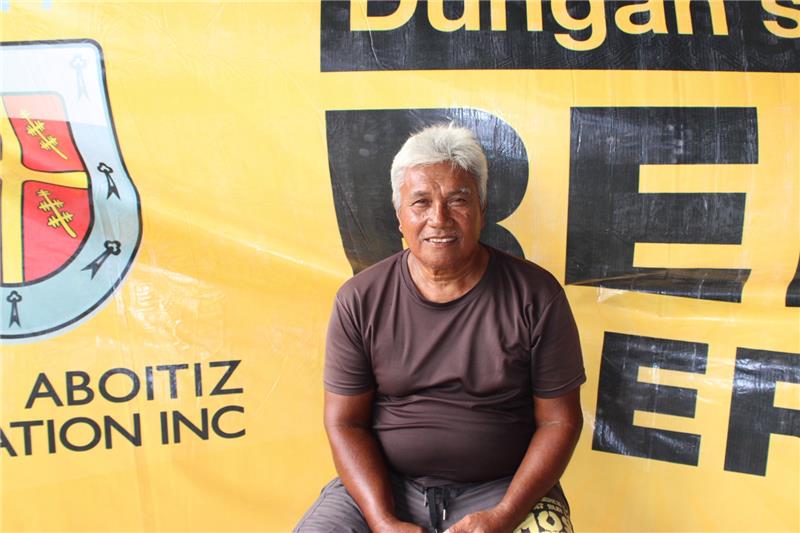
“I will never forget those who helped. I will never forget that we are still alive. And as long as we live, we will keep going,” he said, speaking with gratitude while watching the relief distribution unfold, moved by the joyful faces of his fellow residents.
Medellin has been Tatay Jesus’ home for the past 30 years. The earthquake has made life uncertain in a place that had always been his family’s safe haven. He recalls how RAFI stood by them during Typhoon Yolanda and admits this crisis feels even more difficult, as recovery now seems further out of reach.
RAFI’s Relief Operations
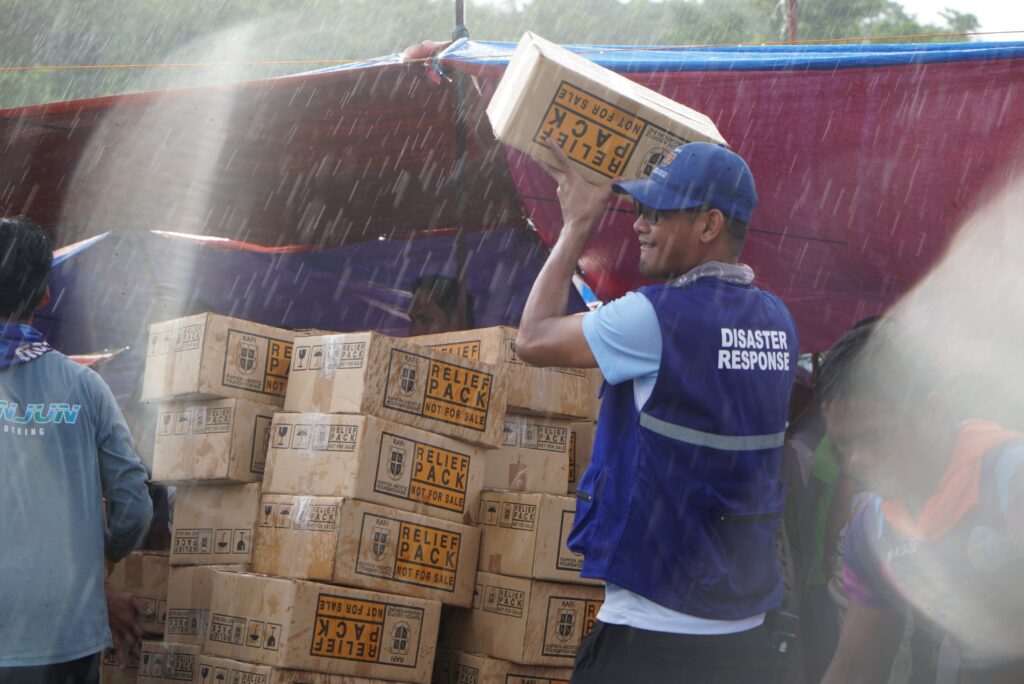
RAFI has long been committed to serving communities affected by disasters. From Typhoon Yolanda to Typhoon Odette and other calamities, RAFI has consistently activated emergency operations to respond effectively and provide support to affected communities.
The recent earthquake is no exception. RAFI immediately launched its emergency operations center and initiated the “Dungan sa Pagbangon” response campaign, extending aid to seven municipalities in Northern Cebu: Bogo, Borbon, Daanbantayan, Medellin, San Remigio, Tabogon, and Tabuelan. Relief efforts included the distribution of food and non-food items, along with psychological first aid to help families cope emotionally.
RAFI continues to work toward reaching more families like that of Tatay Jesus. Through shared strength and compassion, we aim to restore dignity, foster hope, and support the Cebuano spirit of resilience.
Dungan sa Pagbangon!
]]>As days pass and life move forward, survivors are finding ways to slowly recover. In an effort to restore a sense of normal life, we spoke with Locil Ampan, a resident of a coastal community in San Remigio, as she washed clothes by the well in front of their damaged home.
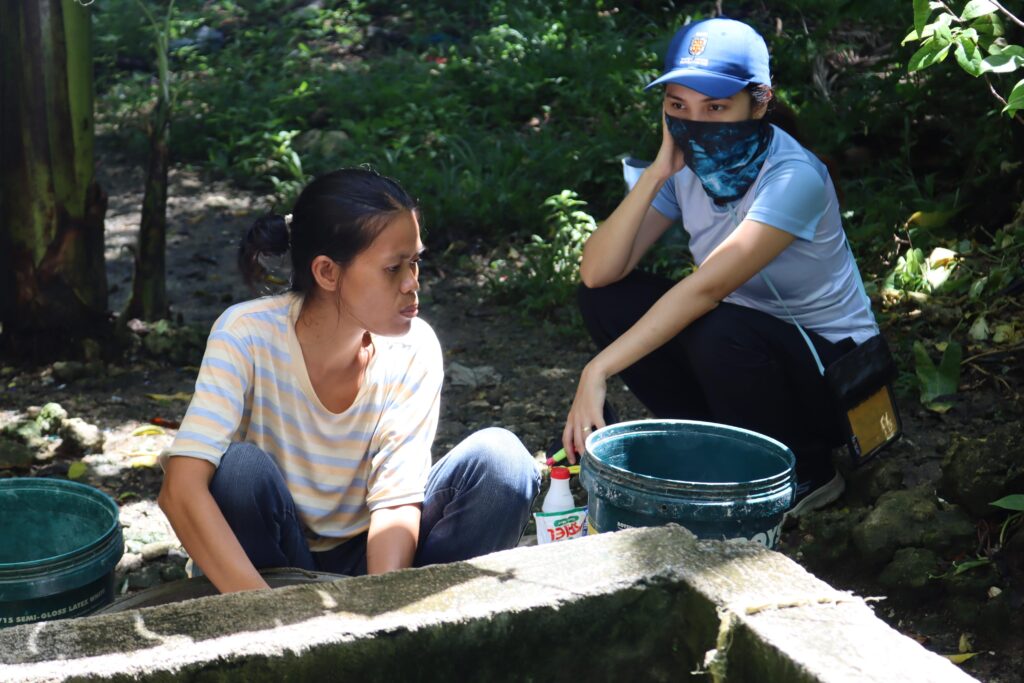
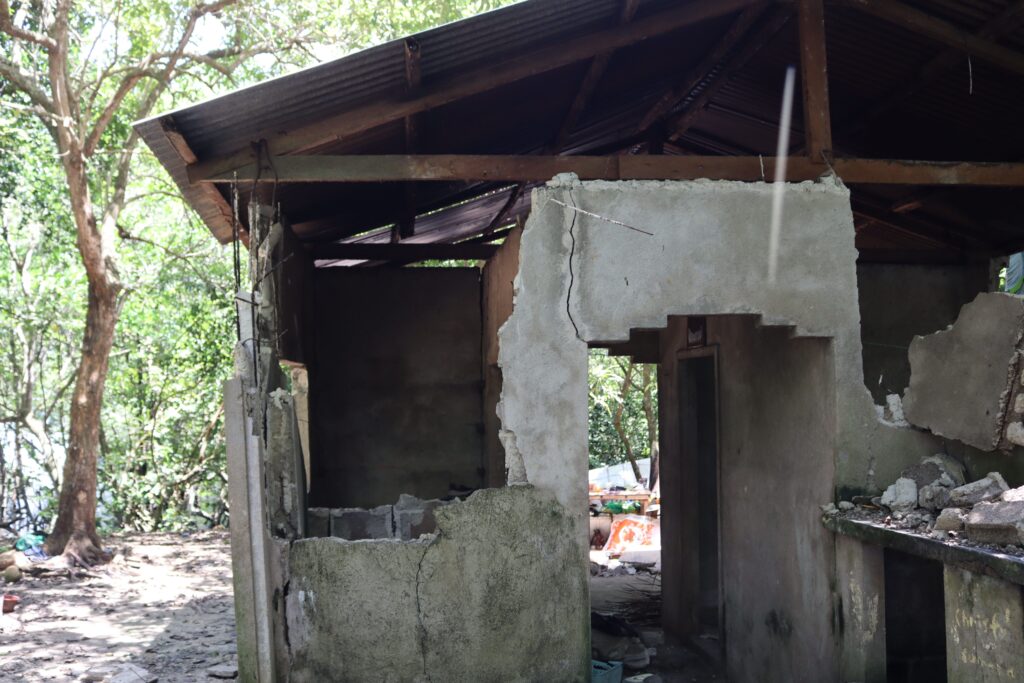
Locil and Her Journey after the Earthquake
That day, Locil and her family were expecting to receive relief packs from the Ramon Aboitiz Foundation, Inc. (RAFI). She shared her daily worries and what gives her strength during this uncertain time.
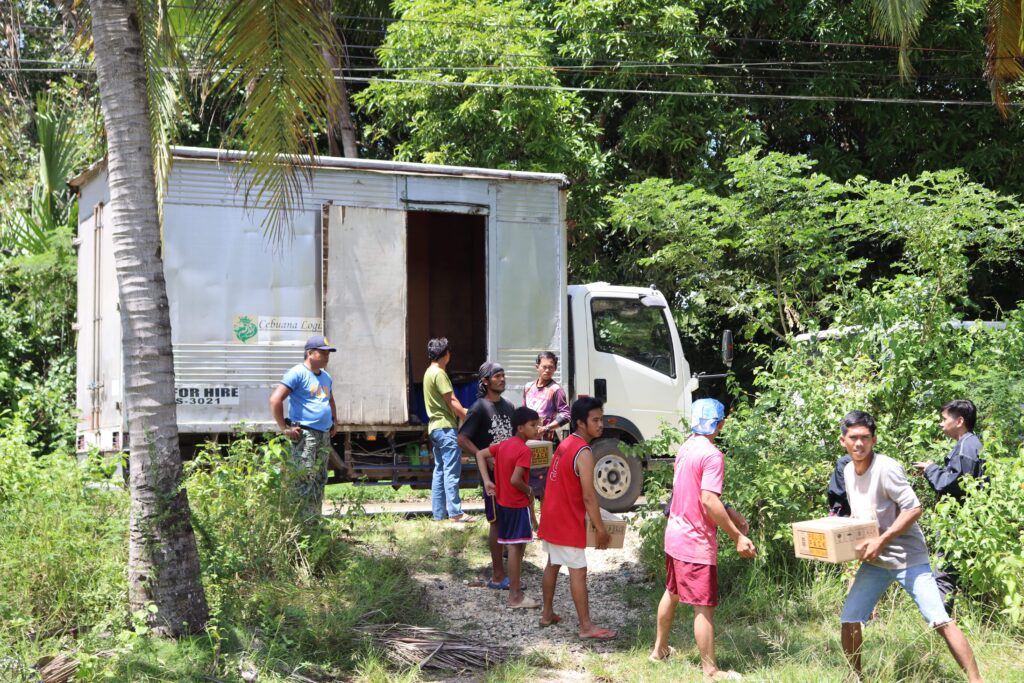
“Mag-ampo lang jud mam nga maka recover lang jud sa mga ing-ani nga wala magdahom nga kalamidad,” she expressed. Locil turns to prayer as a source of strength and seeking guidance so she won’t panic and can think clearly about what to do next—especially since they have young children depending on them.
However, one pressing concern remains: livelihood. At present, the family has no stable source of income.
“Sa tinood lang, og wala’y mga ipanghatag, asa na pud kaha ka paingon kung mahurot na labi pa nga karon wala pa’y mga trabaho,” she said.
Her husband, who serves as president of one of RAFI’s One to Tree Program partner people’s organizations, used to earn a living by fishing and gathering shellfish in the shallow waters, locally known as ‘manginhas’. But since the earthquake, he and other members of the People’s Organization have not resumed work, still gripped by fear and uncertainty.
There are unsettling reports from nearby areas: in Brgy. Lambusan, residents say “nihubas ang tabay” (the water well dried up), while in Bogo, “kusog ang tubod” (the water spring is strong). These unusual water level changes have led to speculation and fear about the possibility of a tsunami.
Despite this, Locil remains hopeful.
“Mag sige mig huna-huna ingon, ko bahala nalang kay total makit-an ra man na (balik) ang butang,” she said referring to the possibility of slowly rebuilding their house and recovering their belongings. “Di ra pud mi pasagdan sa Ginoo,” she further explained.
She compares their resilience to that of ants, always searching, always finding ways to survive. She also finds comfort in knowing they are not alone. Other families have suffered even greater losses, including loved ones who did not survive the disaster.
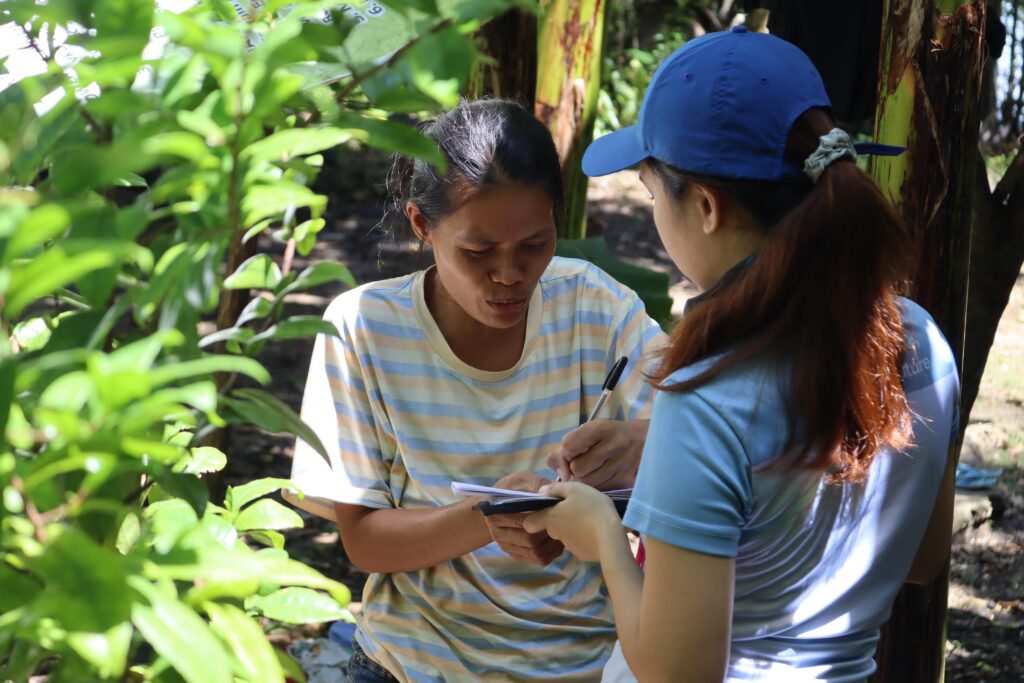
Still, the question lingers: What happens when the food relief stops? What if their stocks run out?
Currently their family evacuated to the temporary housing where help is distributed, is staying in temporary housing where aid is distributed, but only if you’re quick and alert, as Locil admits that some individuals try to take advantage of the situation. Her concerns remain centered on the lack of stable income.
Four of Locil’s children are currently enrolled in school. However, returning to school may be delayed due to damaged classrooms and ongoing aftershocks. In the meantime, she goes back to their house to wash their clothes, then return to the temporary shelter for safety and help.
She shares that they are keeping track of information and updates primarily through their neighbors and stories from people when they go to buy outside. Their eldest son gathers news from various Facebook group chats, including their PO group chat, and relays them back to his parents.
Dungan sa Pagbangon
Understanding that recovery for communities doesn’t end in relief, RAFI has established phases in their response strategy. Phase I – Relief, provides Distribution of food, water, non-food items, and psychological aid. In Phase II Recovery, following further assessments, RAFI plans to implement livelihood support initiatives and provide materials or vouchers for permanent shelter.
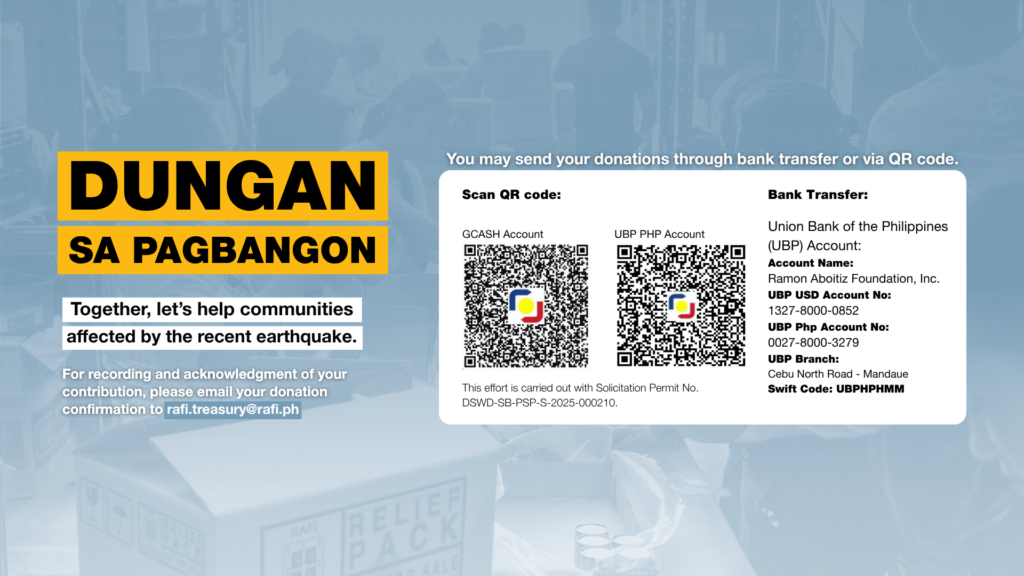
If you want to be part of this mission, you may do so through donations. RAFI’s Dungan sa Pagbangon campaign continues to reach communities who are still on the way recovery. Donations will be utilized for the Phase I operations providing non-food items to affected communities.
Recovery is a slow, uncertain journey but families like Locil’s continue to hope, pray, and persevere, step by step. Let us continue to show our support and concern for the affected communities in Northern Cebu, because together, we can reach and help more communities rise again.
]]>Myrna and Her Community’s Livelihood
We met Myrna Rama, a member of a People’s Organization (PO) under the RAFI One to Tree (OTT) Program, during RAFI’s relief response in San Remigio. While her PO participates in reforestation activities through OTT, they also manage a separate community livelihood project, bangus (milkfish) aquaculture supported by the Department of Environment and Natural Resources (DENR) and the Department of Labor and Employment (DOLE). Myrna shared that this fish cage project was severely damaged during the recent earthquake.
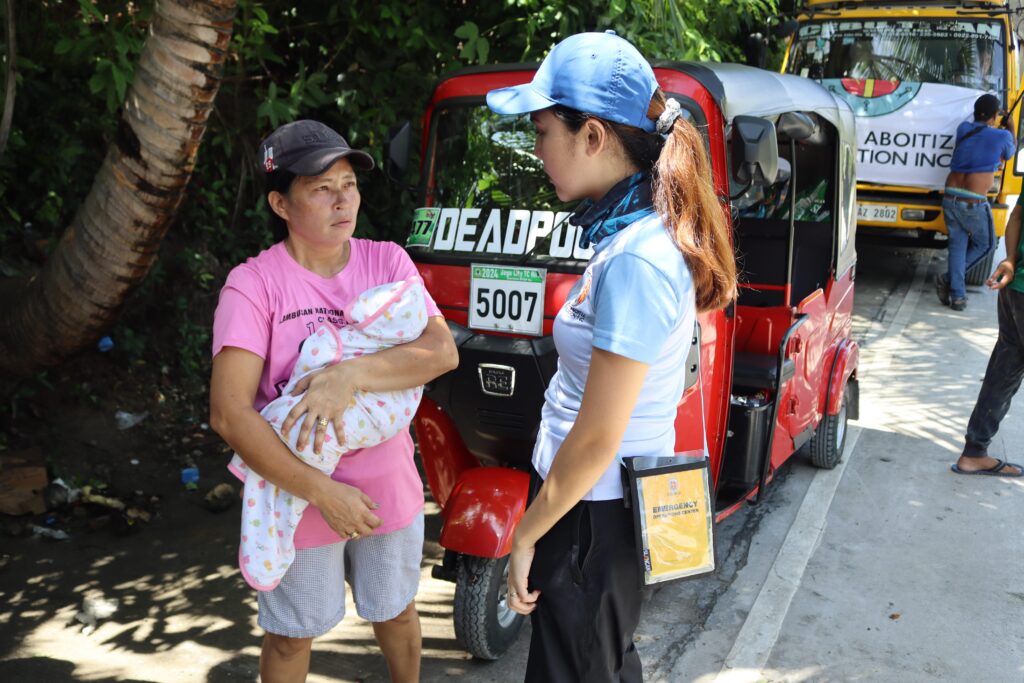
Like many others in the area, Myrna’s home was heavily damaged, tilting to one side due to the earthquake. Despite this, she remains optimistic, saying, “Ang amoang balay nga natakilid, mao lang ang palig-onon” – “Our house may have tilted, but it can still be repaired.” For Myrna and others, the priority remains the wellbeing of their families, especially the children in their community.
The fish cage project, a key income source for their group, also sustained damage. Each cage can generate up to ₱100,000 per harvest cycle. At the time of the earthquake, one of the two cages had already started harvesting. The loss is both financial and emotional, as the project had grown to be an important part of their community’s daily life and collaboration.
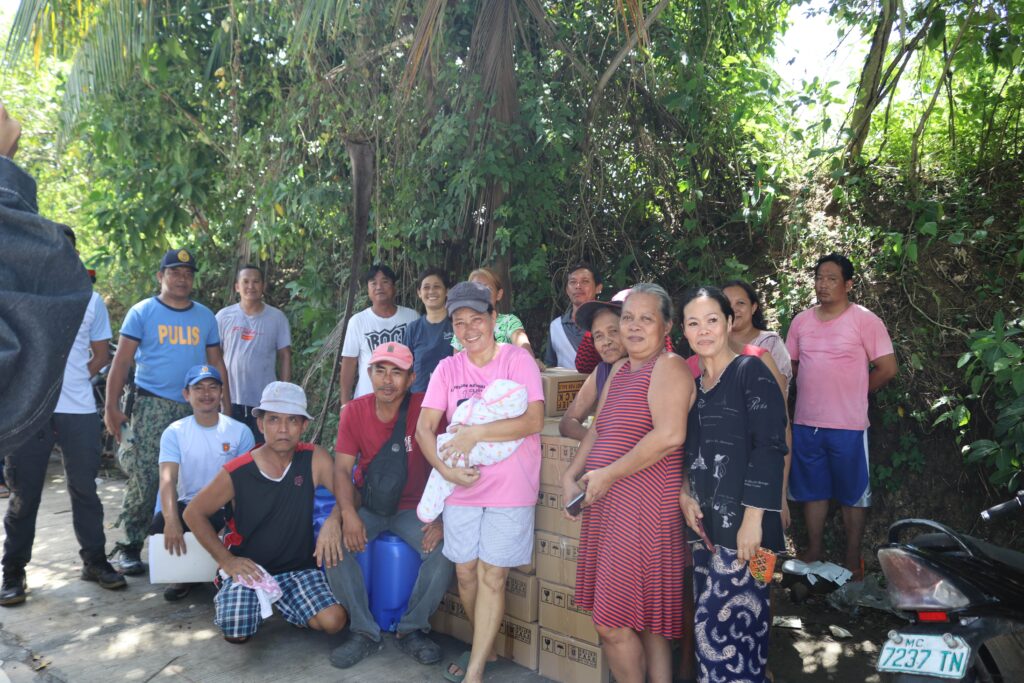
“Napamahal na pud namo amoang kapunongan,” Myrna said, describing their attachment to the project and the shared effort behind it. Before the disaster, group members took turns feeding the fish up to four times a day and stayed up at night to monitor the cages. That routine has been disrupted, but the community remains closely connected and continues to support one another.
RAFI’s Ongoing Response: Dungan sa Pagbangon
In response to the disaster, RAFI has rolled out its Dungan sa Pagbangon campaign, an initiative to stand with the affected communities during a difficult time. Myrna is among the residents in San Remigio reached by RAFI’s efforts.
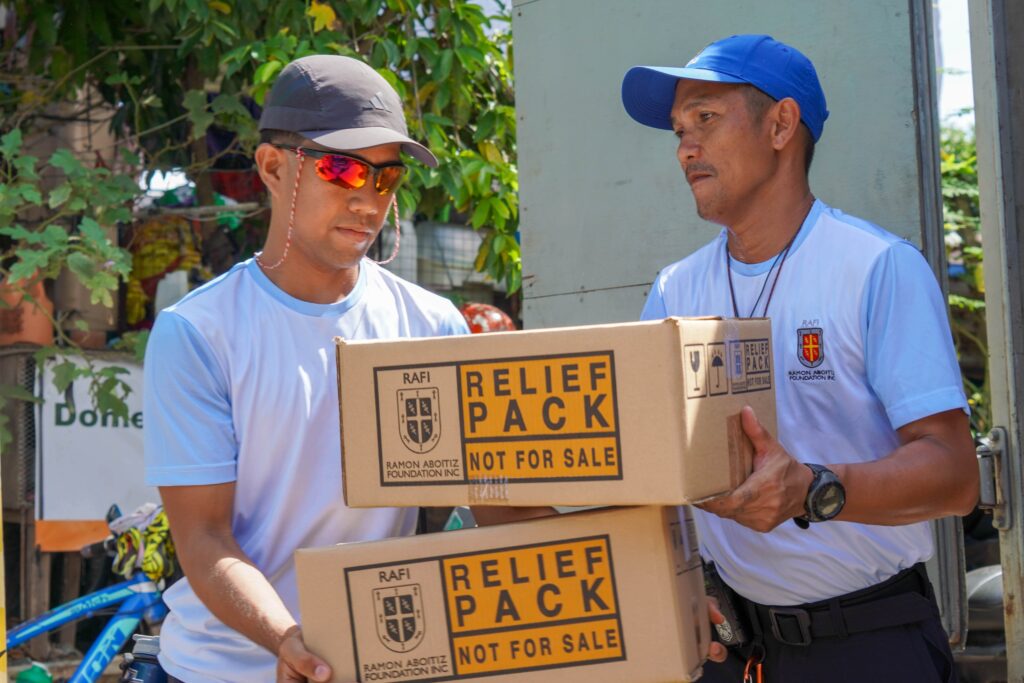
RAFI’s humanitarian response follows three phases:
- Phase I Response – Distribution of food, water, non-food items, and psychological aid
- Phase II Recovery – Possible interventions on livelihood support, permanent shelter through materials/ vouchers
- Phase III Rehabilitation – Focused on possible interventions for school repairs and rebuilding
Coordination is ongoing with local government units, national agencies, and other partners to ensure support reaches the most affected and vulnerable communities.
How You Can Help
Myrna’s story is just one of many, and you can be part of this mission.
RAFI’s Cash Donation Hub remains open and is actively calling for support from local and international partners, organizations, and individual donors. Every donation will help provide non-food relief and long-term recovery for communities like San Remigio.
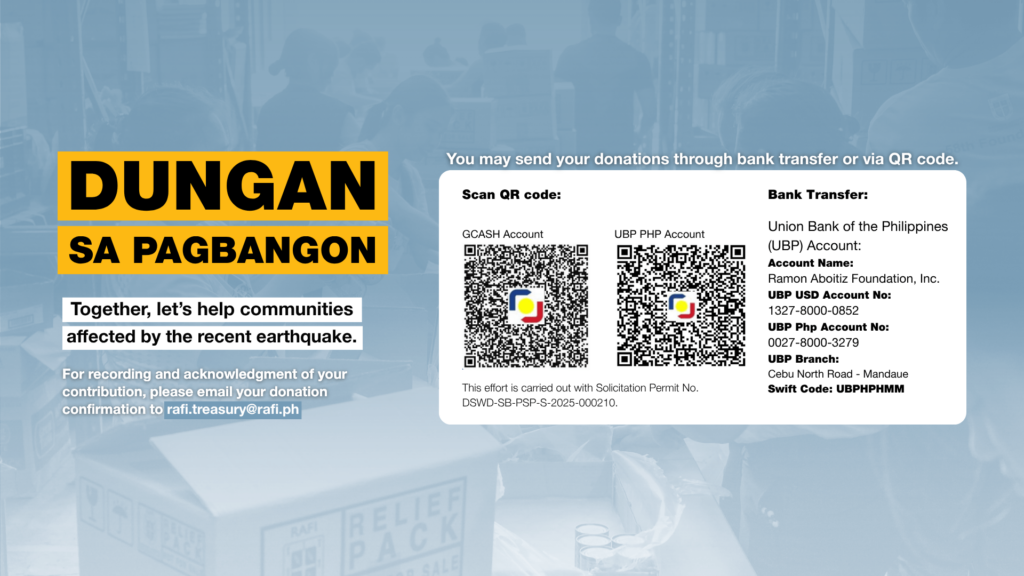
Take part because when everything is broken, community is what binds. Dungan sa Pagbangon!
]]>
Across the province, neighbors offered help and comfort, volunteers organized local relief drives, and local government units mobilized to deliver aid where it was needed most. These moments of cooperation turned chaos into action and despair into hope.
From relief to response, these partnerships remind us that recovery isn’t just about restoring what was lost — it’s about building something stronger together. Cebu’s story shows that when communities unite, they don’t just survive disasters; they redefine what progress means.
Working Together in Times of Crisis
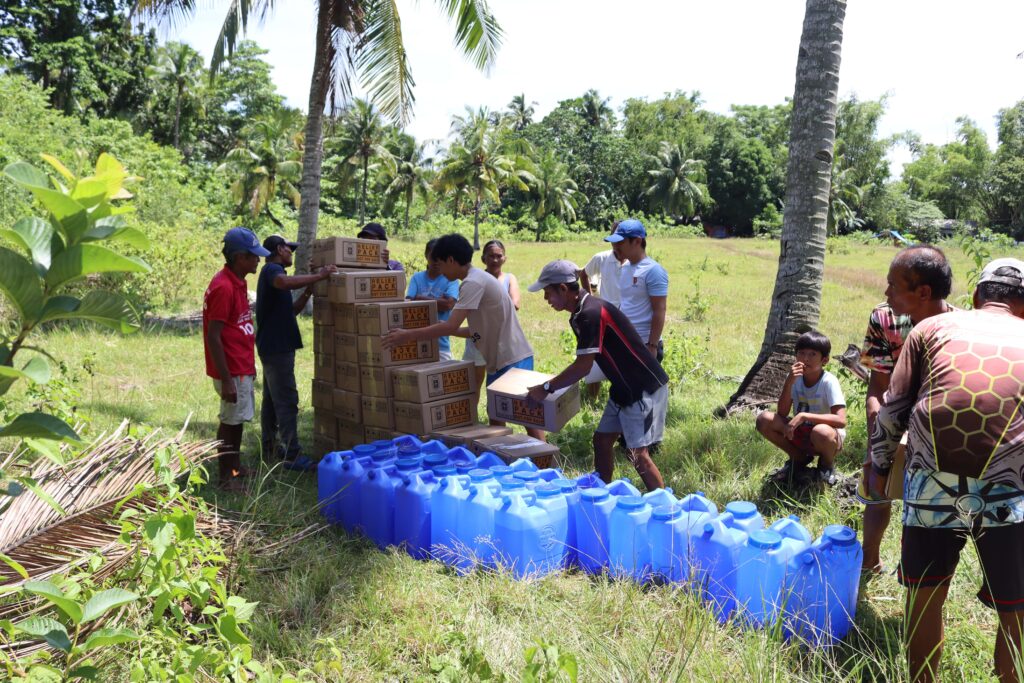
When disaster strikes, it’s often the people on the ground who act first. In Cebu, community partnerships have become the lifeline that connects families, volunteers, and local leaders.
Through close coordination with LGUs and organized relief distributions, aid steadily reached even the most remote barangays.
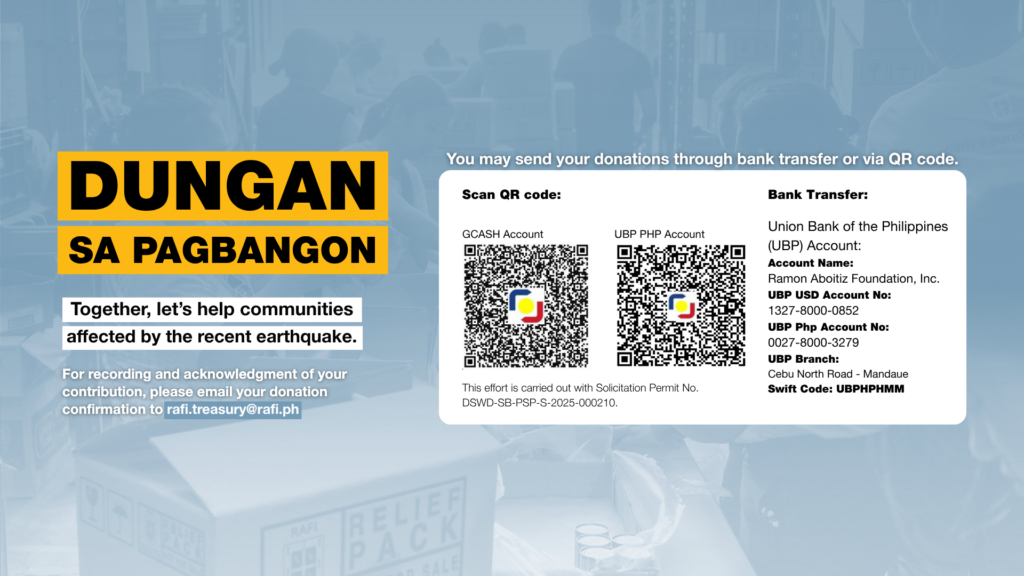
The Ramon Aboitiz Foundation, Inc. (RAFI), committed to serving affected communities, activated its Emergency Operations Center (EOC) to strengthen coordination with LGUs and partner organizations. RAFI also launched the Dungan sa Pagbangon campaign, a platform for donations from partners and the general public eager to extend their help.
From Relief to Resilience: Turning Recovery into Opportunity
The journey from disaster to recovery is never easy, but community partnerships in Cebu show that collaboration makes it possible. What began as immediate relief will evolve into long-term initiatives designed to ensure sustainable development.
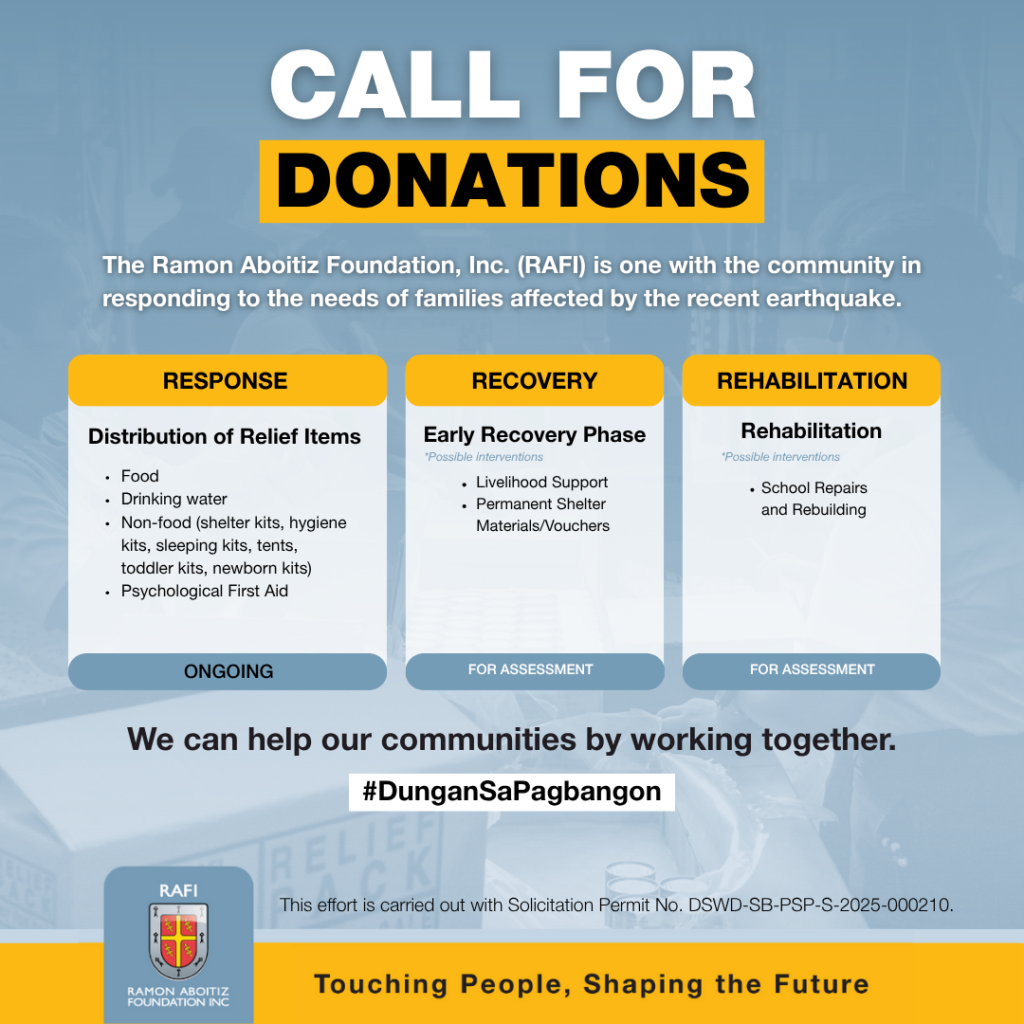
As we move through these phases, RAFI continues to work closely with government and organizational partners to identify areas of need and deliver meaningful support. Together, these efforts demonstrate that resilience is not built overnight—it is cultivated through consistent partnership and trust.
Empowering Local Development Through Unity
Local development thrives when people work together. In Cebu, the earthquake became a powerful reminder that progress isn’t a solo effort, it’s a shared mission. By linking communities, government offices, and organizations like RAFI, partnerships transform short-term recovery into long-term growth.
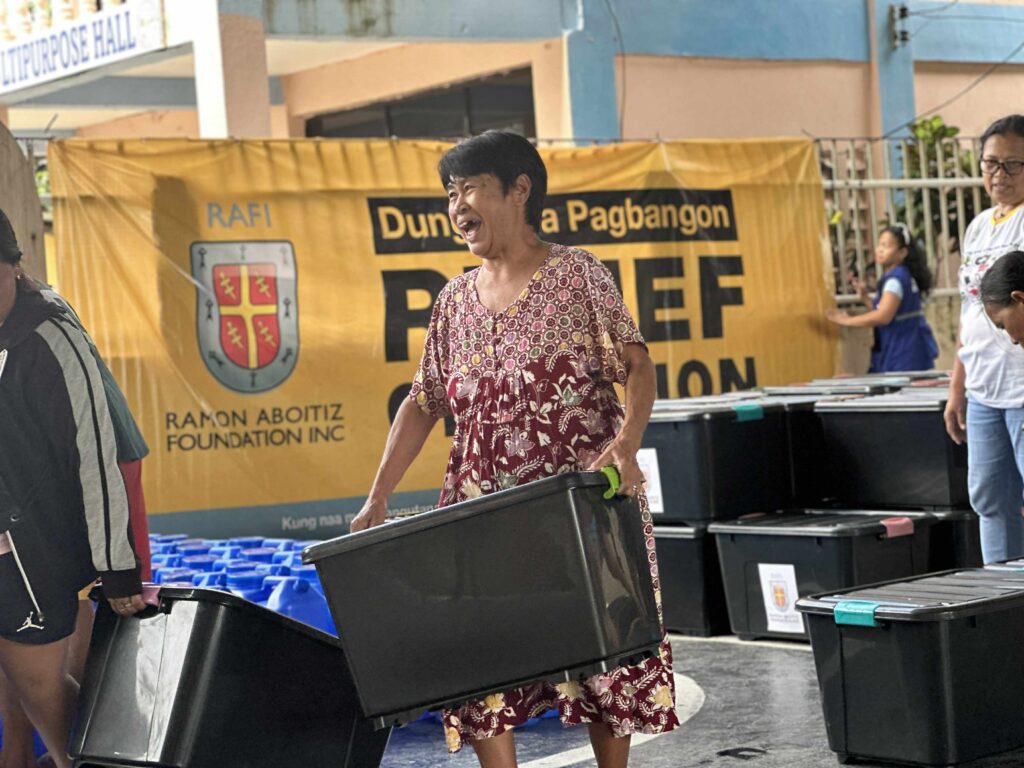
This network of collaboration ensures that when challenges arise, Cebu doesn’t just bounce back, it moves forward stronger, smarter, and more united.
FAQs: Community Partnerships and Earthquake Recovery in Cebu
Why are community partnerships important in Cebu’s earthquake recovery?
How do partnerships improve local development?
What role do LGUs play?
How do partnerships lead to sustainable development?
Conclusion
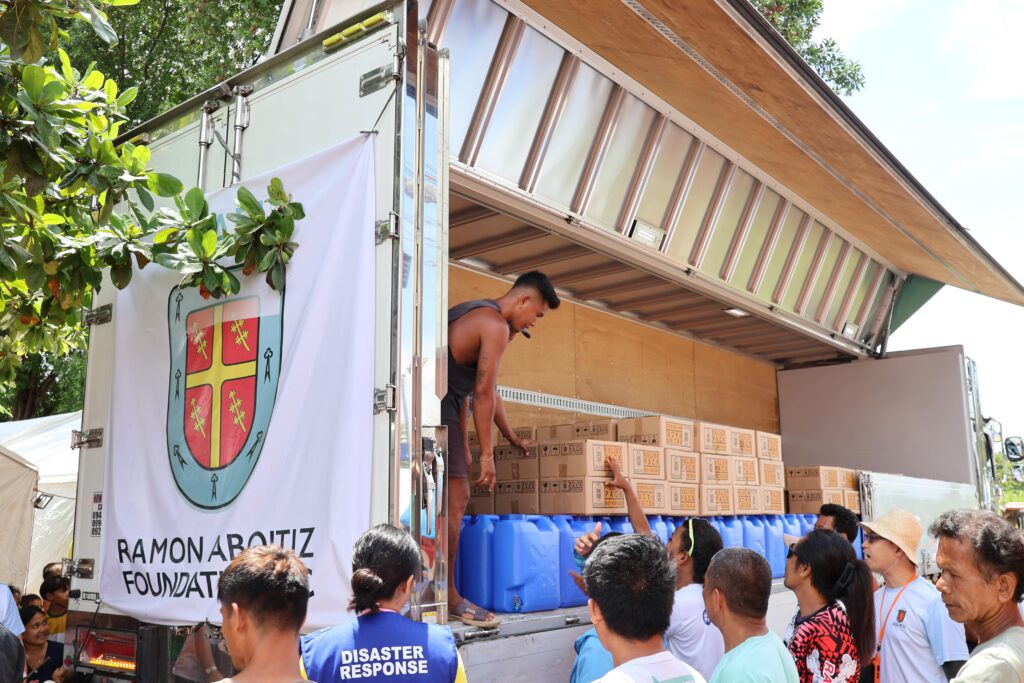
Cebu’s earthquake response proves that progress isn’t measured by how quickly we rebuild, but by how deeply we connect. When communities unite through partnerships rooted on trust and compassion, recovery becomes more than survival, it becomes transformation.
RAFI and its partners continue to be in this movement, proving that when we work together, no challenge is too great and no community too small to rise again.
 Let’s keep Cebu strong together. Support local initiatives, or share your time and skills with community efforts in your area. Every partnership counts in building a safer, more resilient Cebu.
These meaningful acts of service reflect RAFI’s core value of service. This mirrors its commitment to stand alongside the community as it recovers and rebuilds. When the call to serve is made, RAFInians respond not just by duty, but by a shared purpose to help those who need it most.
Service – A Part of the RAFInian Journey
Meet Constantine “Tats” Samson, a RAFInian for over 25 years. Having responded to several calamities throughout his tenure, this recent earthquake is yet another opportunity for him to live out his calling: a call to service.
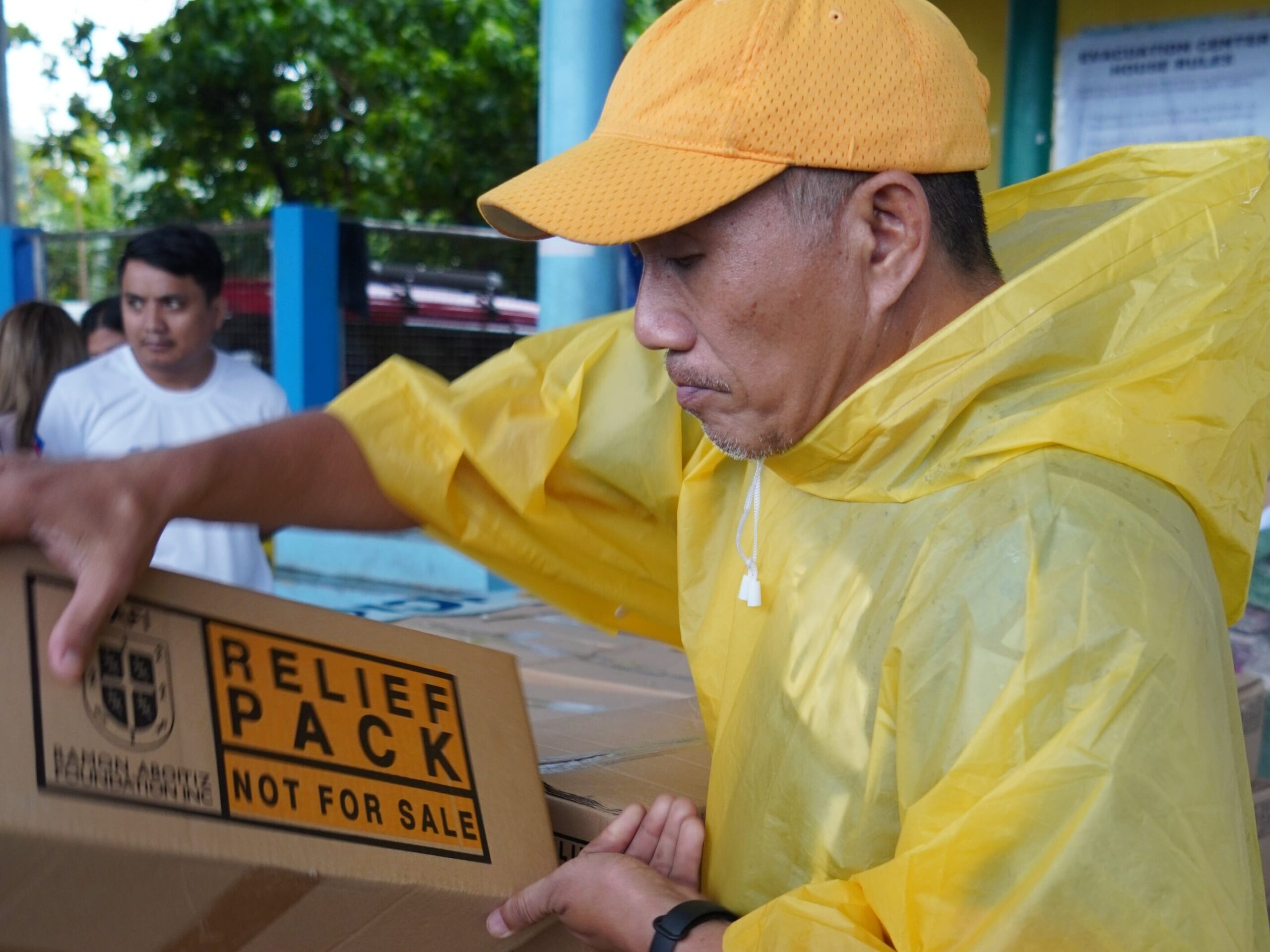
As one of the senior staff in RAFI, Tats remains active in the field, bringing with him a bag of experience that continues to guide and inspire response operations.
“Being part of RAFI, Tatak RAFInian, means you’ve been part of relief operations at some point. It’s part of the journey. The feeling of being both a responder and a RAFInian is fulfilling, knowing you’ve helped people in their time of need,” he shared.
However, being a responder is not without its challenges, especially when you’re also personally affected by the same crisis. “It’s difficult, especially when you have to think about your own family too. Sometimes, there’s barely time to process. You’re doing assessment work today, and the next day, you’re already deployed for distribution,” he said.
Despite the intensity of the work, Tats finds meaning in the experience.
True to RAFI’s core value of Service, Tats shares how this mission continues to resonate deeply with him: “Service to mankind, that’s what defines Tatak RAFI. Even if you have personal things to deal with, you’re willing to set them aside for the greater good. Especially now, when people from far-flung areas are in urgent need, As RAFInians, this is how we show our care. We are here as an instrument, and we are given an opportunity to help the people in need in times of crisis,” he explained.
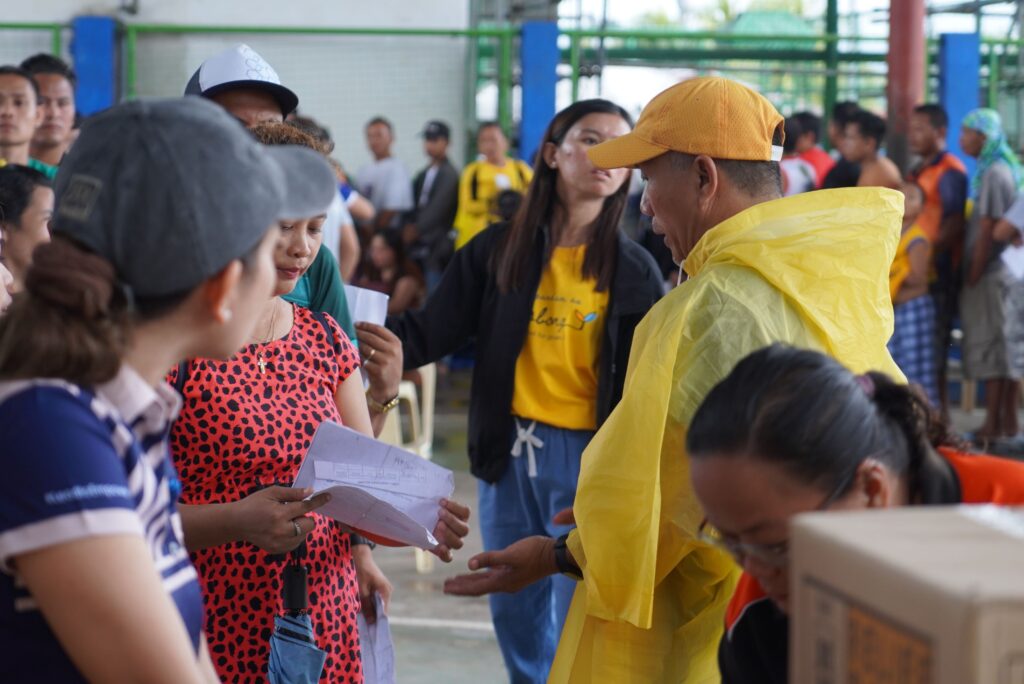
RAFInians on Video
Here are compiled videos of RAFInians on-field and relief goods packing:
In times of crisis, the true spirit of service is felt and seen. These videos capture the dedication, compassion, and teamwork of RAFInians who stepped up to serve communities in need. May these moments inspire us to keep living out our core values in the spirit of Dungan sa Pagbangon—together, with purpose, and for others.
]]>
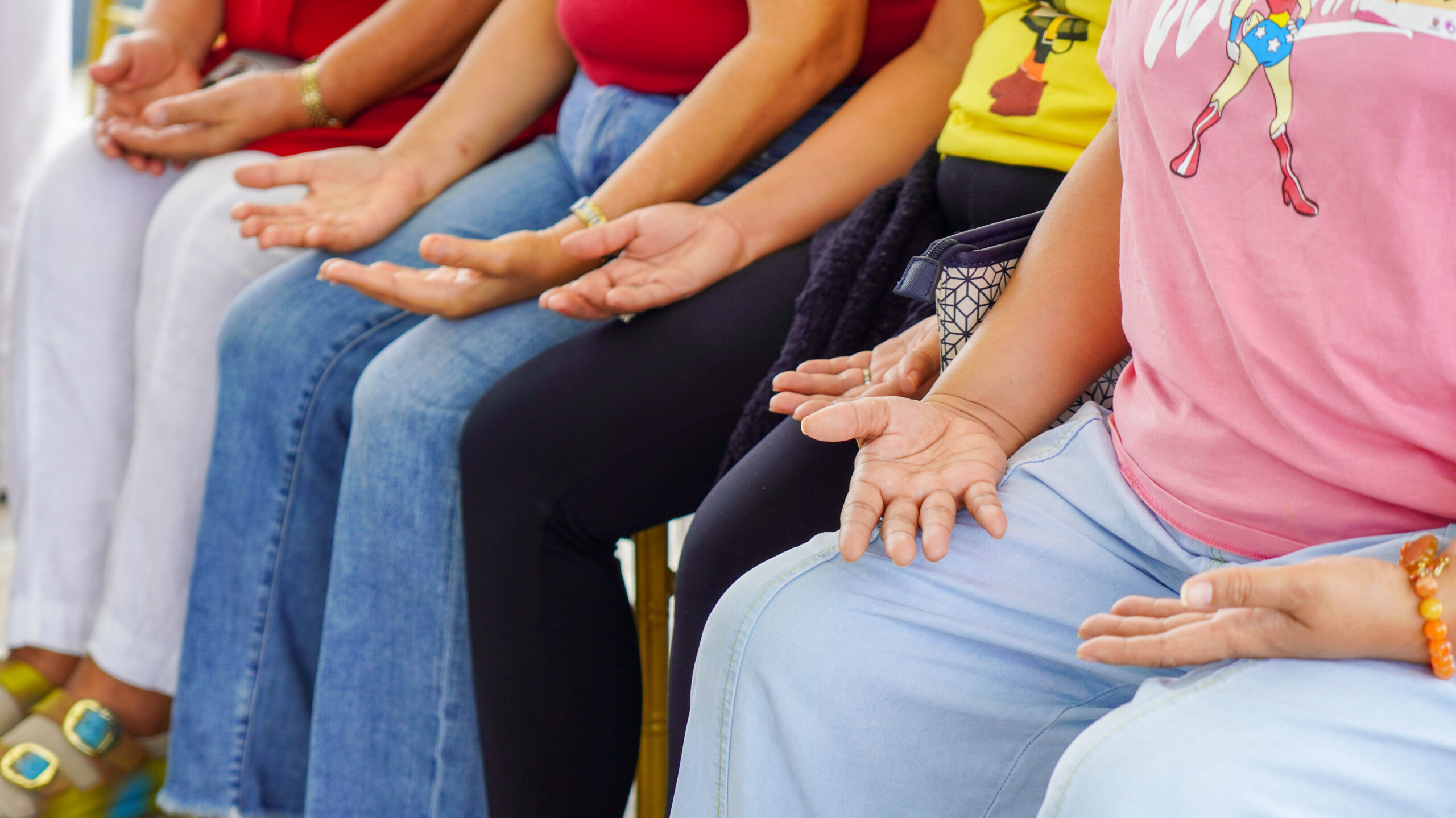
In this difficult time, the Ramon Aboitiz Foundation, Inc. (RAFI) understands the need for psychosocial support to help ease the fear, pain, and devastation experienced by the hardest-hit communities in Northern Cebu. As part of its response, RAFI supports the delivery of psychosocial first aid to survivors of the 6.9 magnitude earthquake in Cebu. Led by the Central Visayas Network of NGO’s (CENVISNET), the secretariat of Wellbeing Cluster Philippines, RAFI has provided logistical support and will help in facilitating partnerships with organizations capable of providing the much-needed psychosocial services.
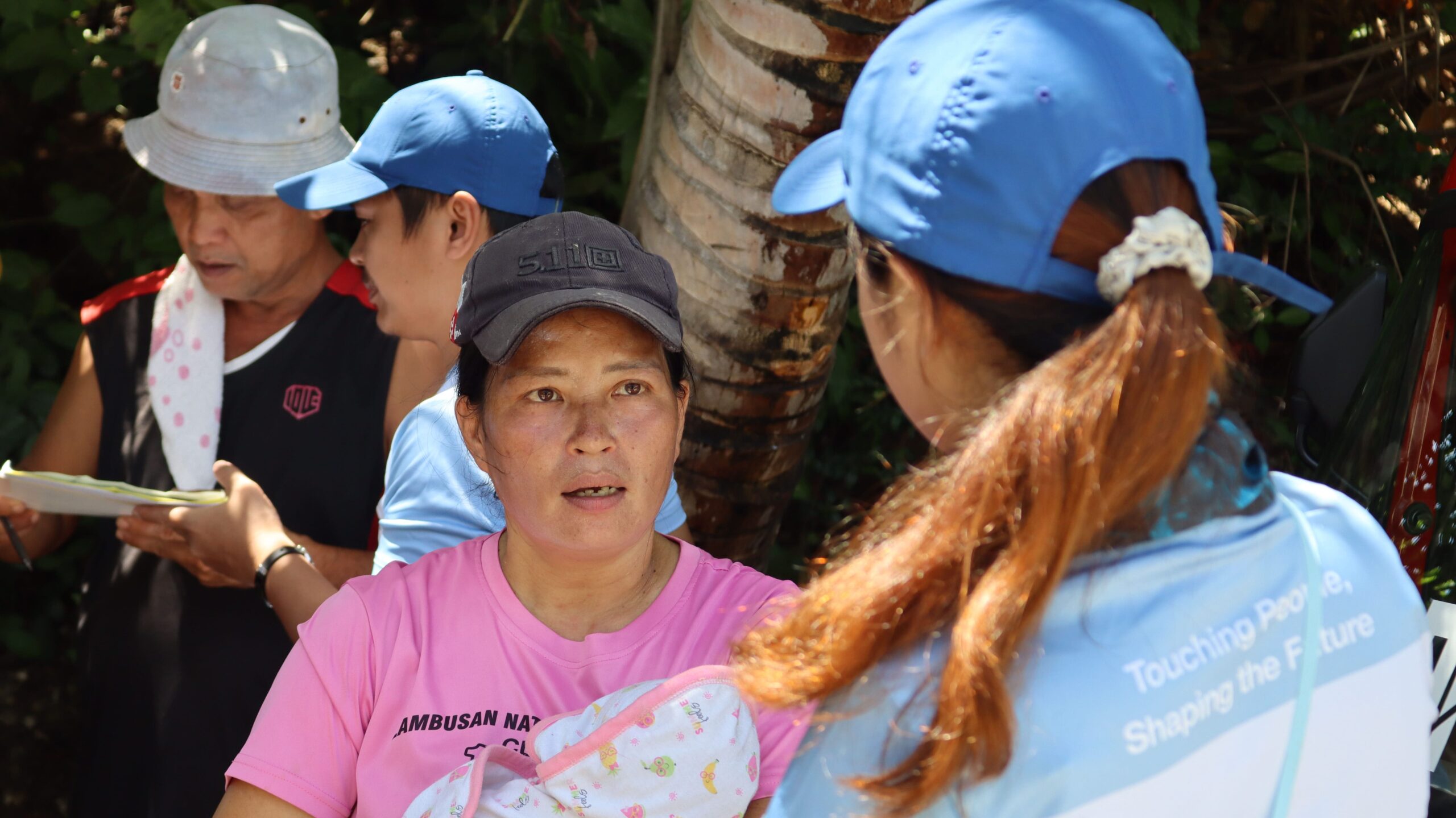
Psychosocial Support: What is It and Why is it important?
According to the, Psychosocial Framework of 2005 – 2007 of the International Federation defines psychosocial support as “a process of facilitating resilience within individuals, families and communities” enabling them to recover from the crises and better manage future challenges. The framework emphasizes the importance of respecting people’s independence, dignity, and existing coping mechanisms as this promotes the restoration of social cohesion and community structure.
In simpler terms, psychosocial support helps individuals and communities heal emotionally and psychologically after their lives have been disrupted by traumatic events.
Why are psychosocial activities needed?
Disasters can deeply impact people’s lives, often leading to various forms of loss. These may include the death of loved ones, loss of control over one’s life and future, a diminished sense of safety, and the erosion of hope and motivation. People may also lose their dignity, access to essential services, property, social connections, and their means of livelihood.
Anyone who has lived through or witnessed a crisis is likely to experience some form of psychological or emotional impact. These responses can range from shock and grief to anxiety, confusion, or a feeling of displacement. The intensity and nature of these reactions differ from person to person and from one community to another, which also affects the kind of support or intervention that may be needed.
Source: International Federation Reference Centre for Psychosocial Support. (2009). Psychosocial Interventions: A Handbook.
From the Field: Salome from Bogo
Salome Anciano, 52, from Barangay Polambato in Bogo, shares how the earthquake deeply affected her and her husband. Even now, she finds it too traumatic to return to the street where they once lived, as it reminds her of the neighbors who lost their lives during the quake.
“Amo gi huna-huna ang amo nalang kaugalingon nga maluwas mi, sa among ka trauma di na namo masabtan unsa among buhaton, gusto man namo makatabang, unsaon man dili na namo ma kuan ang among kaugaligon, na trauma nami,” she expressed.
Salome explained that the recent earthquake continues to cause her anxiety. Even mild aftershocks bring fear and panic, especially for her husband, whose high blood pressure worsens under stress. Like many survivors, their greatest hope is simply to return to a normal, peaceful life.
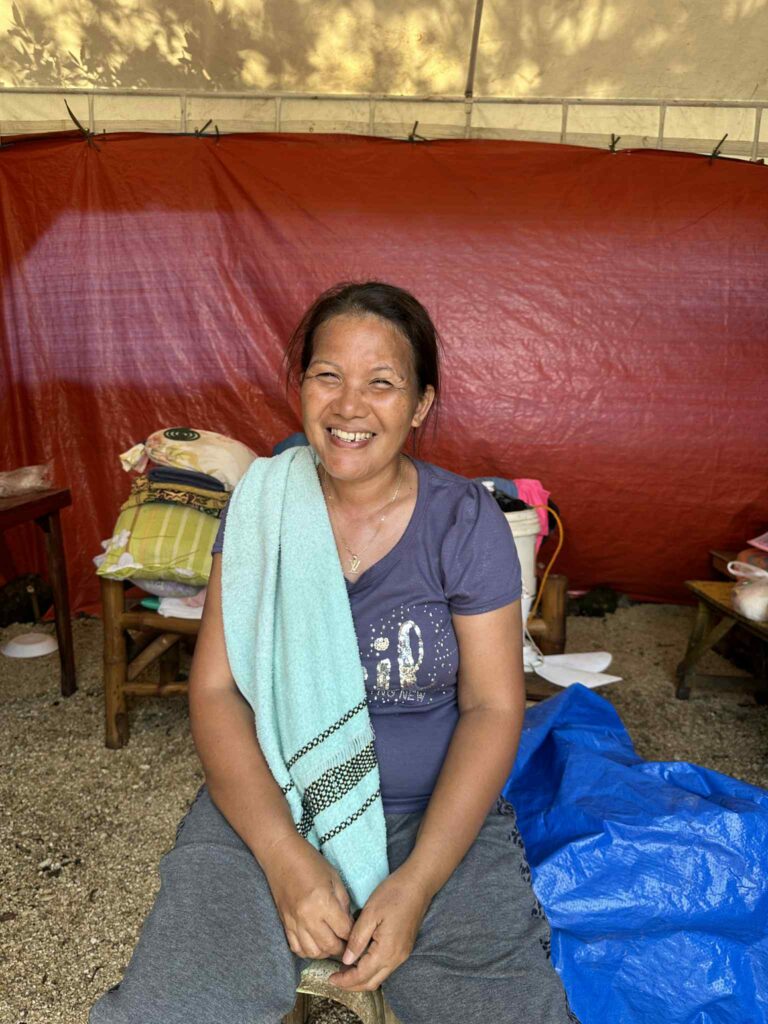
“Bisag pobre lang basta wala lang trahedya nga mahitabo. Bisag simple ra nga pangunabuhi mam, basta wala lay trahedya pareha sa nahitabo nato ron,” she said.
She also worries about their livelihood. Her husband is a tricycle driver, and even before the disaster, finding passengers was already difficult. Now, with roads damaged and fewer people out, their income has become even more uncertain.
Salome’s household is among those who received relief support from RAFI in Bogo.
The Road to Recovery: How Psychosocial Support Helps
Psychosocial support plays a crucial role in helping people like Salome rebuild their lives. By providing emotional and psychological care alongside material aid, survivors are given the tools to process their experiences, regain confidence, and find hope for the future. Interventions like these not only support immediate recovery but also strengthen long-term resilience in communities affected by disaster.
#DungansaPagbangon!
]]>
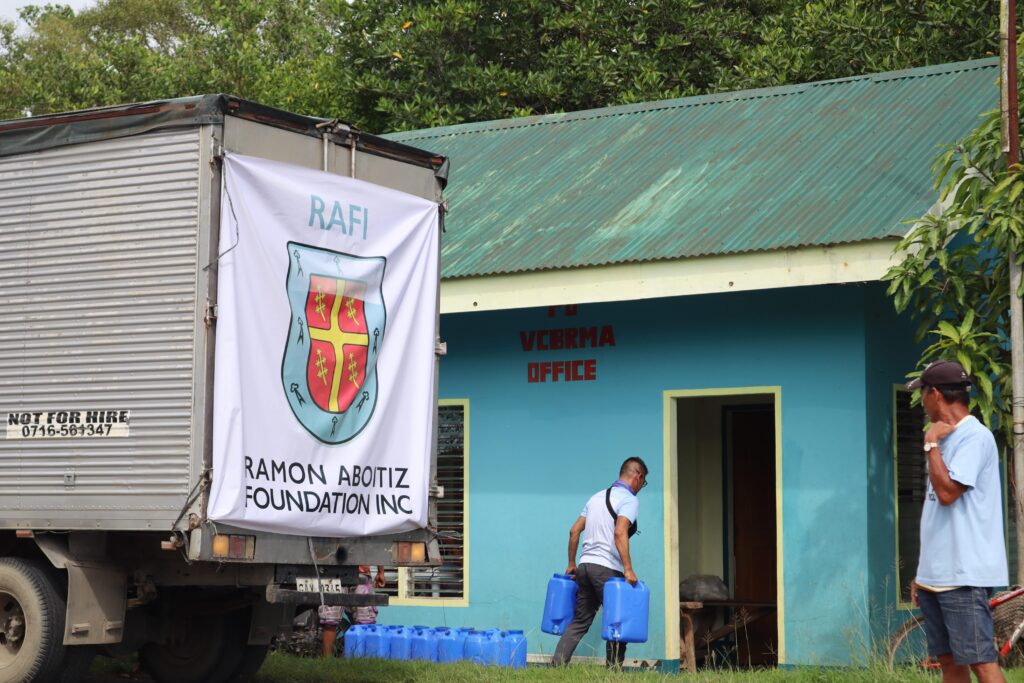
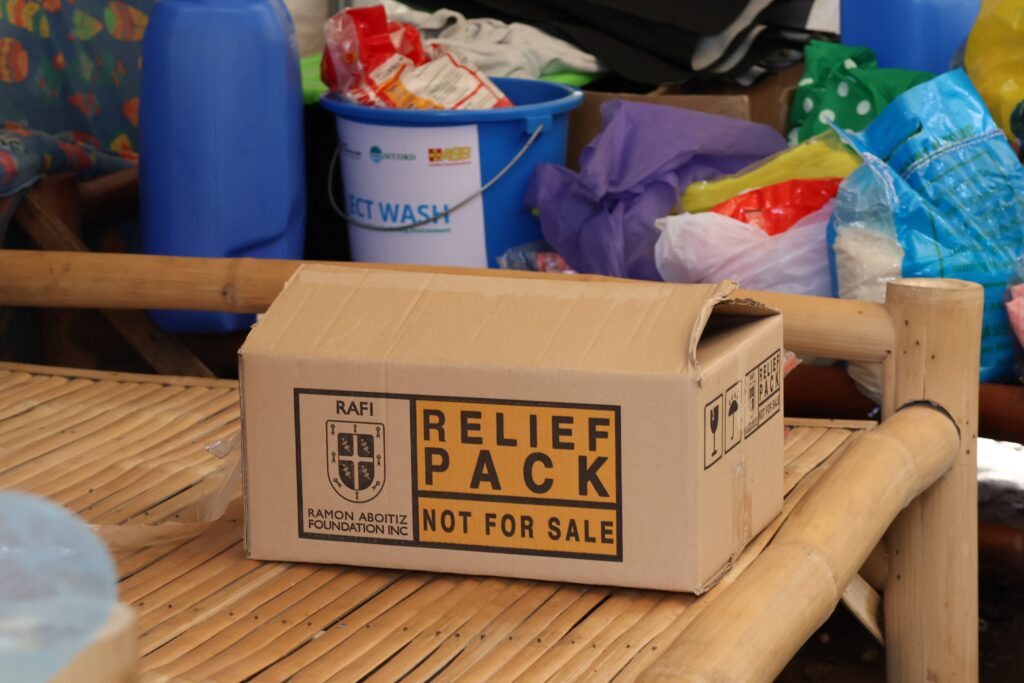
Among the recipients of the relief items are Nanay Miraflor of Bogo, who was trapped inside their house after a debris fell on her, and Nanay Marilyn from San Remigio, who continues to feel anxious as aftershocks continue to rattle their place. Their stories reflect the quiet strength of survivors and the vital role of providing help to communities as they begin to rise again and slowly heal.
BOGO CITY – A Hope for a House Rebuilt
Nanay Miraflor Belarmino, 42, vividly remembers the moment the earthquake struck their home in Barangay Polambato, Bogo City. She and her family were trapped inside, but she was the one who needed saving after a large piece of debris collapsed on top of her.
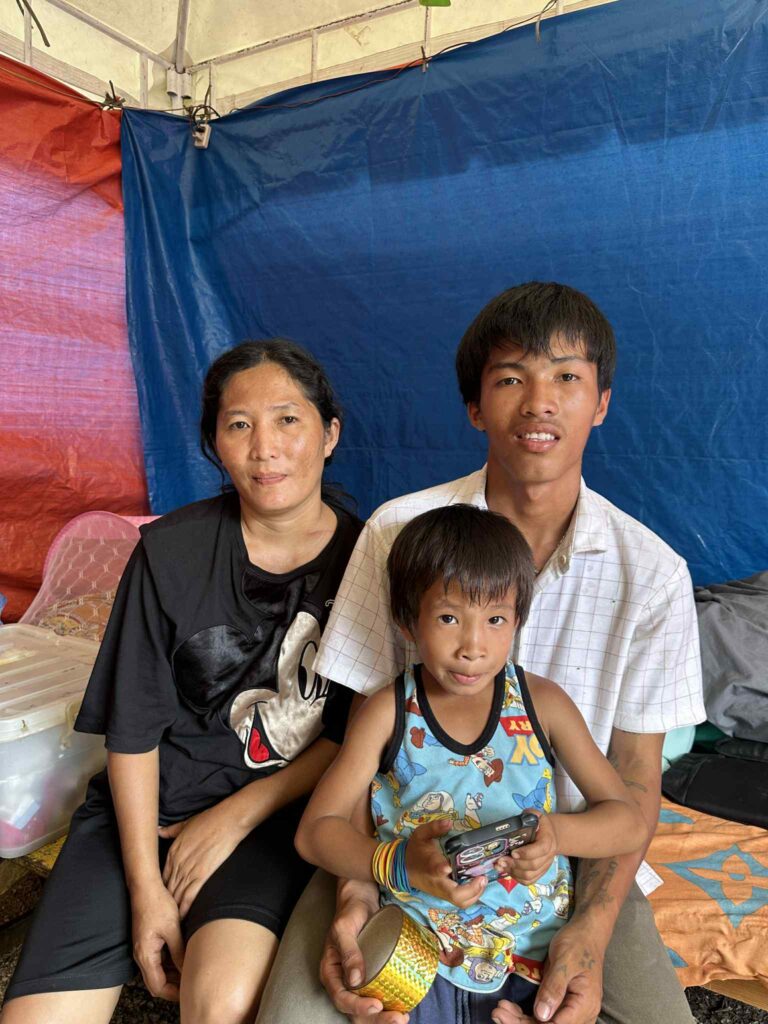
“It was my son who rescued me,” she recalled. “He used a hammer to break through while shouting, ‘Si Mama naa sa sulod!”
In those terrifying moments, Miraflor thought she wouldn’t survive. “Feeling gyud nako, Ma’am, mamatay na gyud ko. Dili na ko kaginhawa. Sige ko’g hilak tungod sa akong mga anak. Abi gyud nako patay na sila,” she said.
In her panic, she begged her children not to come for her. “Ayaw ko ninyo luwasa. Unaha inyong mga manghod,” she told them, thinking it would be safer for them to escape first.
Looking back now, she considers herself lucky to have survived. “Others didn’t make it,” she said, remembering those who were trapped and lost their lives when their houses collapsed. “Dili gyud lalim ang among naagian.”
But more than the fallen concrete walls of their home, it is the fear for her children’s safety that continues to haunt her.
“Mo-shagit pa ko kung naay linog, bisag gamay ra,” she admits. The trauma hasn’t left her and likely won’t for a long time.
For now, her family is living in tents, shielded from the heat during the day, but left vulnerable when it rains. Her wish is simple: to see their home rebuilt, not just theirs, but also those of their neighbors, especially those who were not as lucky.
SAN REMIGIO – A Psychosocial Rattle
In San Remigio, the earthquake didn’t just leave cracks in the ground, it left a deeper one in the hearts of many, including Marilyn Alburo. The trauma lingers, but Marilyn finds unexpected comfort in the smallest hands, those of her grandchildren.
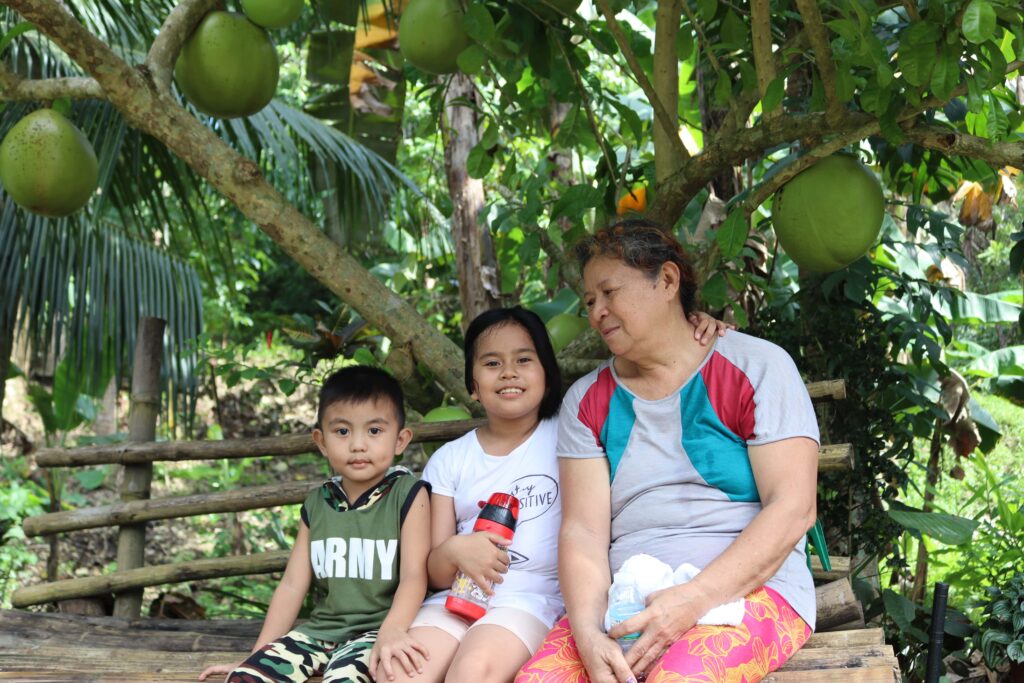
Roles have reversed. It’s no longer Marilyn who consoles them, but her 4-year-old grandson playfully saying, “Siging-siging,” a Cebuano expression often used to soothe frightened children. This time, the child is the one offering reassurance. Her granddaughter Athena also steps in, bringing her water whenever she senses Marilyn’s rising anxiety.
The fear is so strong that Marilyn refuses to enter their house, where visible cracks line the walls. Instead, the family has moved into a small one-story storage room nearby, using light materials, tarpaulins, and old curtains to cover open gaps.
Marilyn’s daughter, already close to exhausting her leave days from work, can’t bring herself to return. Her main concern isn’t just aftershocks, but her mother. Marilyn, on the other hand, tries to hide her panic attacks because she doesn’t want to be a burden.
The emotional toll is clear. Like many others in the community, Marilyn carries the invisible wounds of the earthquake, ones that will take more than just shelter or supplies to heal.
Dungan sa Pagbangon
RAFI continues to work and mobilize its teams for ongoing relief operations, reaching those like Nanay Nanay Miraflor and Nanay Marilyn, survivors who need all the support they can get in this difficult time.
Part of the Phase I operations is to provide relief to affected households to help them sustain their basic needs as they begin the journey back to normalcy.
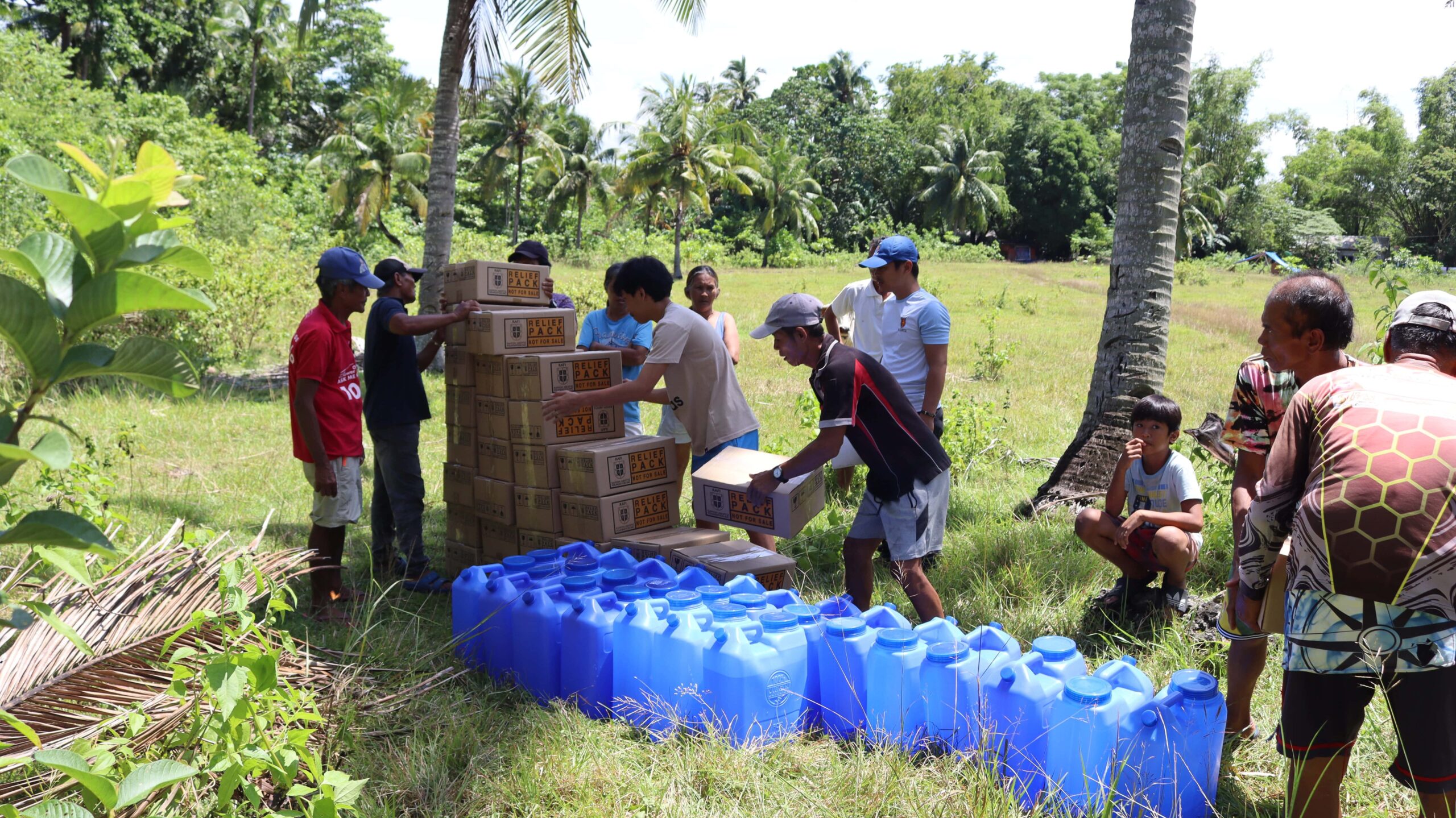
The aftermath of the earthquake has left deep uncertainty across Northern Cebu. From different towns, the stories of survivors reveal a common thread of trauma, fear and emotional strain. Aftershocks continue to rattle their communities, threatening not just physical safety but also their sense of security. These ongoing disruptions have affected both livelihood and mental well-being.
Communities in Northern Cebu still need our help. As we carry on, RAFI stands with the communities and continue to provide support where it is needed most.
You can be part of this mission. Join us in lifting our brothers and sisters in the North by donating through the channels below:
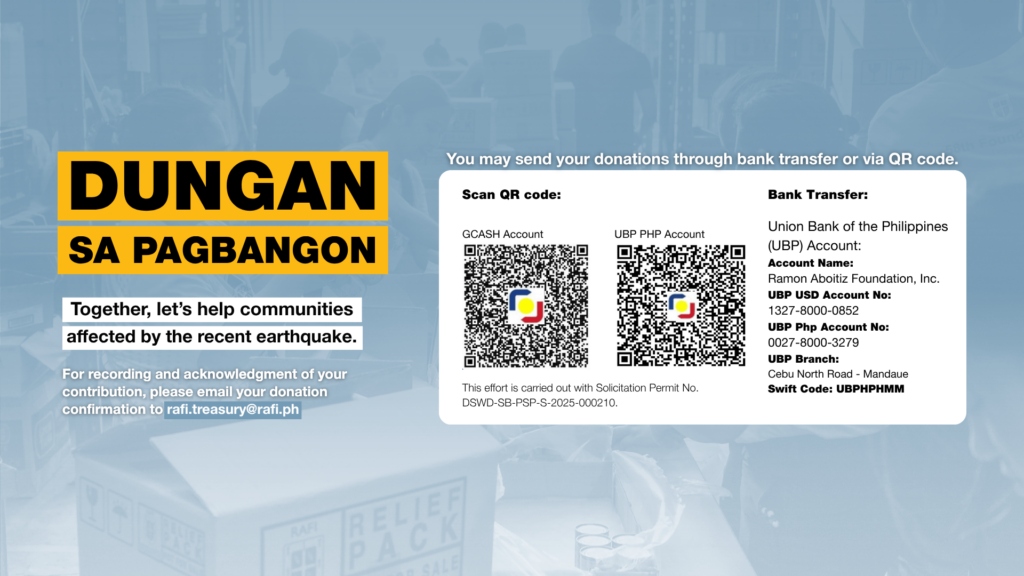
Your donations will go toward essential non-food items, including shelter kits, hygiene kits, sleeping kits, toddler kits, and newborn kits.
Together we move, together we rise. Dungan ta sa Pagbangon!
]]>In a moment where fear and uncertainty could have taken over, kindness, compassion and the quiet strength of the Cebuanos rose above it all. This is not just a story of survival. This is a story of people looking out for each other, despite the weight of loss on their shoulders.
Gratitude amid Cebu Earthquake Aftermath
All over northern Cebu, you’ll see them: children and individuals holding handmade “Salamat sa tabang” signs. Snacks, delicacies, and even coconut offered to passing responders, volunteers and other individuals alike.
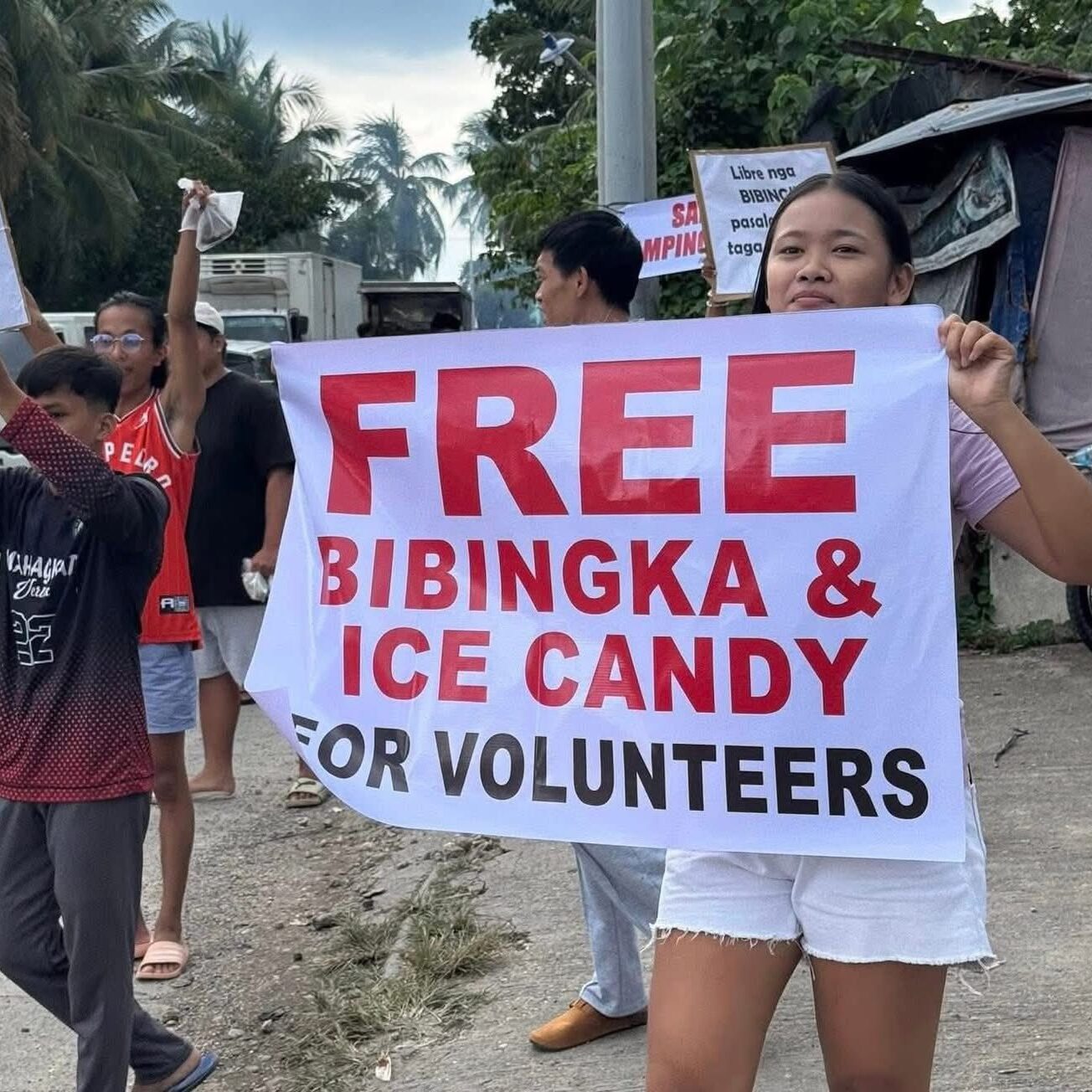
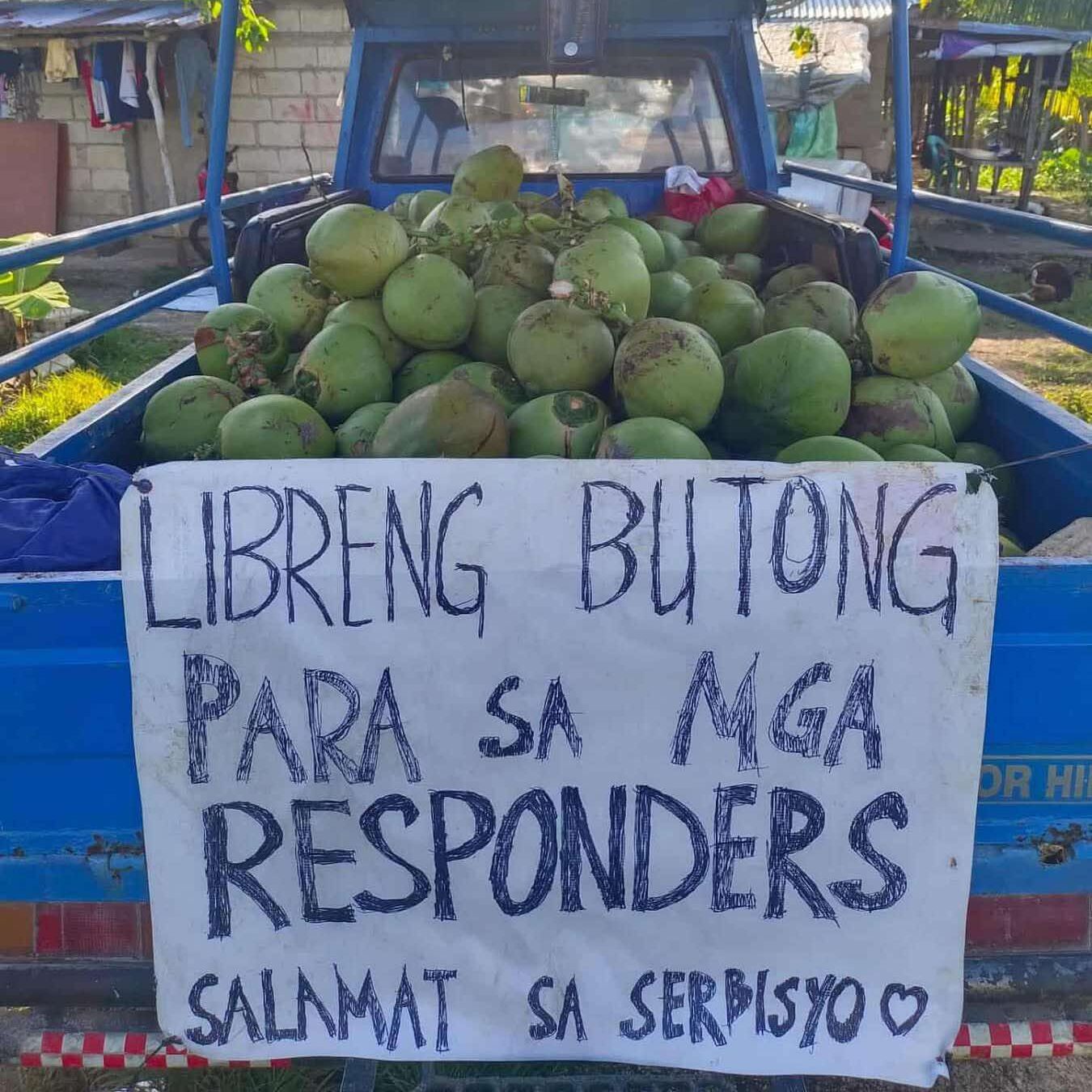
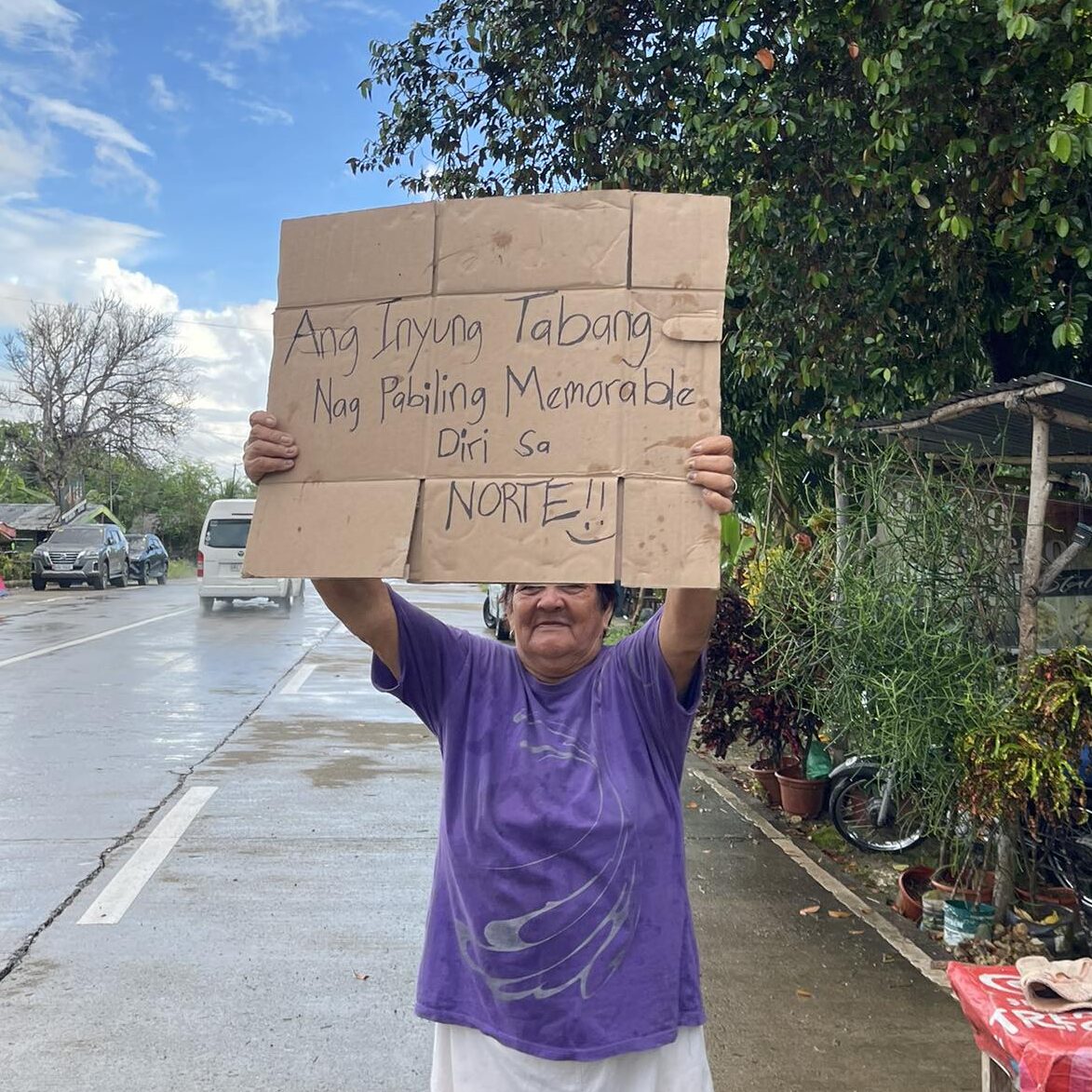
Photo courtesy of Cebu Daily News. All credits go to the owners of each photo.
They don’t have much, but they give what they can with a smile. It’s their way of saying: “We see you. We thank you. We’re in this together.”
This is the Cebuano spirit: even when they’ve lost so much, they still find ways to give.
The Power of Small Acts
In times of crisis, it’s the small gestures that leave the biggest impact. A free bottle of water on a hot day. A warm “salamat” when help arrives. A warm hug, or a hand to the affected individuals.
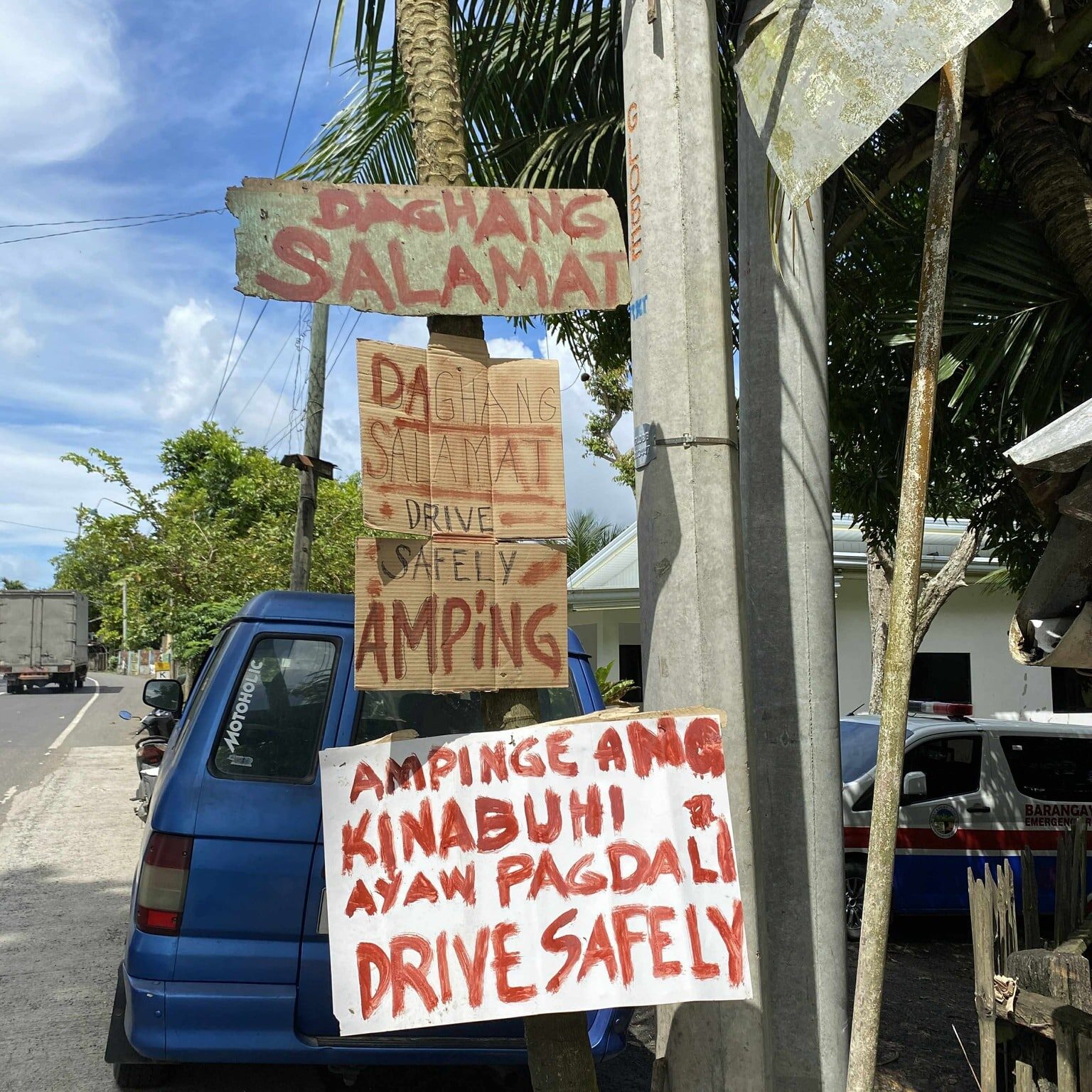
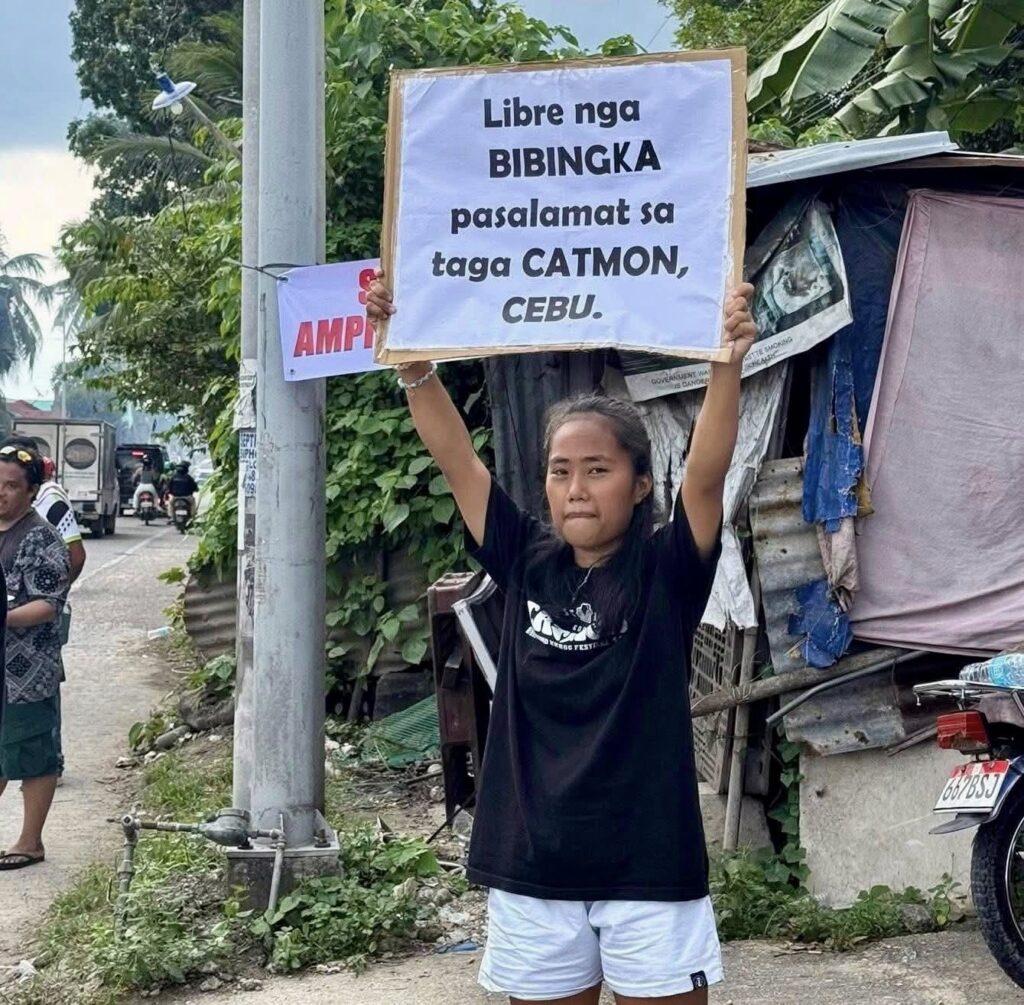
Photo courtesy of Cebu Daily News and GR Travel and Tours Services. All credits go to the owners of each photo.
These moments may not make headlines, but they’re what community looks like.
In the face of collapsed homes and cracked roads, Cebuanos continue to show up for each other. There is no waiting for miracles. Instead, they become each other’s miracle, quietly, humbly, powerfully.
Dungan sa Pagbangon
Rebuilding won’t happen overnight. The road ahead is long. But there is hope in every corner, not just from government and NGOs, but from the people themselves.
Picture this: a boat filled with different people, each holding their own paddle. When they realize they’re rowing in the same direction; toward healing, toward home, progress begins. Not alone, but together.
At RAFI, this is what we believe in. We believe that everyone has a part to play. That even the smallest effort, may it be a donation, a prayer, or a shared meal, can ripple outward and make a difference.
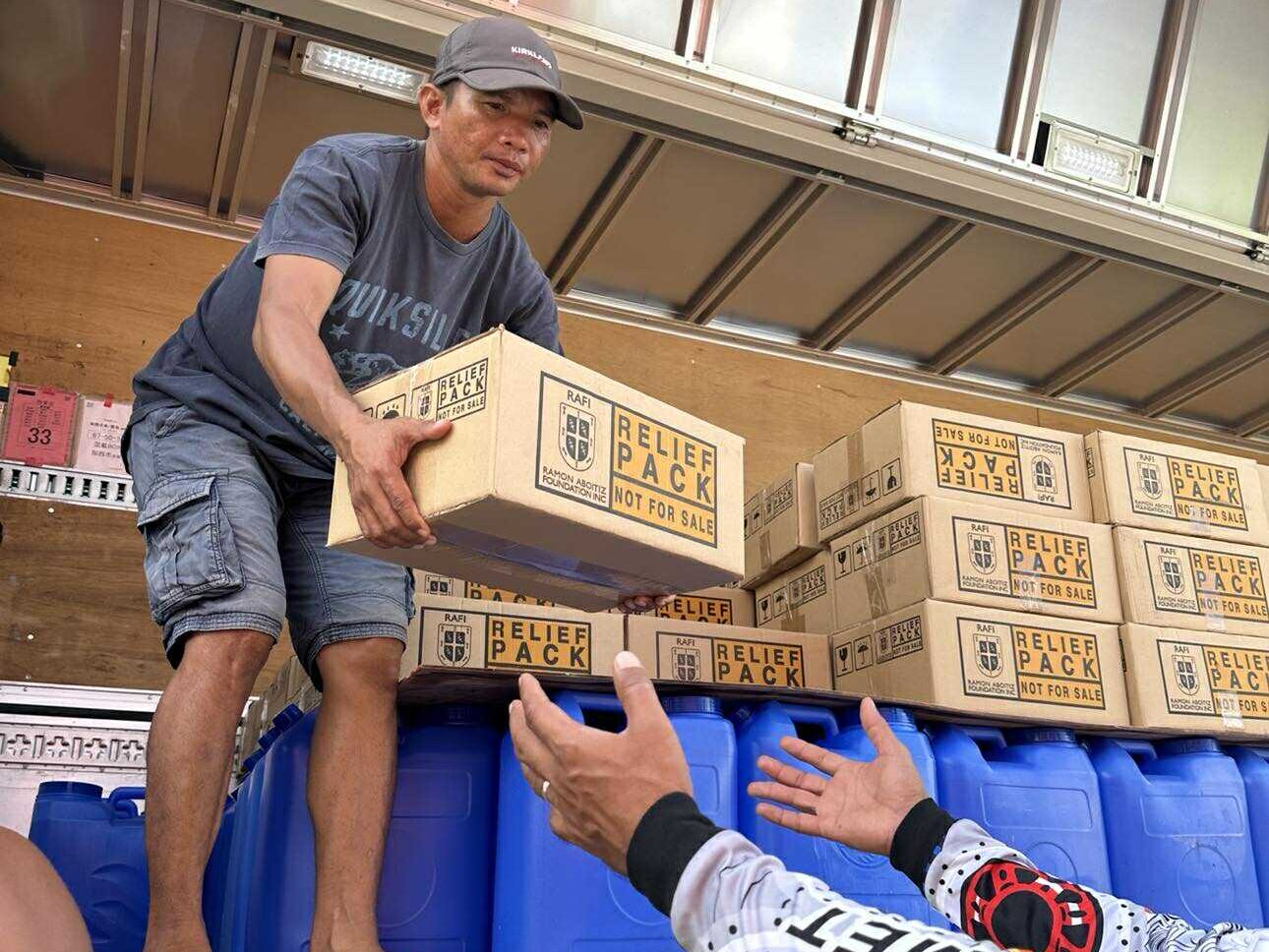
We are reminded of a truth that guides us every day, that when we paddle together with hope in our hearts and strength in our hands, we will reach the shore to rebuild and rise once again.
This earthquake has left a mark on Cebu. But it has also revealed the strength of its people. It is masked in the goodwilled intentions, the smiles amidst adversity and in the initiatives that came after the disaster.
This proves that Cebu stands, not just on concrete grounds but on compassion, resilience, and love. No earthquake can shake that.
]]>