Stronger Local Leadership Is Helping Build a Healthier Start for Children in Cebu
In many communities, the fight against child malnutrition is often seen as a matter of programs and services. But in Cebu, the solution begins with something deeper: stronger leadership and governance at the local level.
This belief is driving the collaboration between the Ramon Aboitiz Foundation Inc. (RAFI) and the Zuellig Family Foundation (ZFF), which aims to strengthen the way local government units (LGUs) lead and coordinate efforts to improve early childhood health and nutrition.
The initiative focuses on building institutional capacity and equipping local leaders with practical tools to address malnutrition more effectively. Through the partnership, ZFF shared key approaches on Bridging Leadership and Nutrition Governance, which RAFI and its community partners applied in their work with local stakeholders.
Through the collaboration, partners aimed to strengthen local nutrition programs in response to persistent malnutrition indicators and uneven performance across communities. While multiple initiatives were already in place, there was a shared recognition that technical knowledge alone was not enough. Nutrition efforts often lacked strong executive ownership, clear accountability, and coordinated action across sectors.
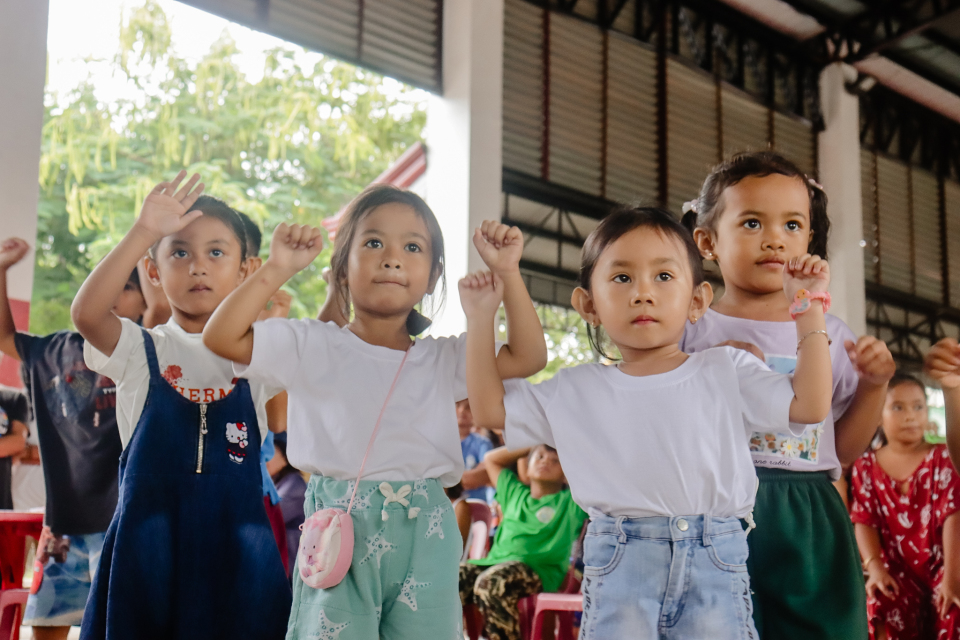
To address this, the partnership focused on strengthening leadership and governance by helping local leaders align priorities, clarify roles among agencies, and establish systems to track progress. This approach ensures that nutrition programs translate into real, measurable outcomes for children.
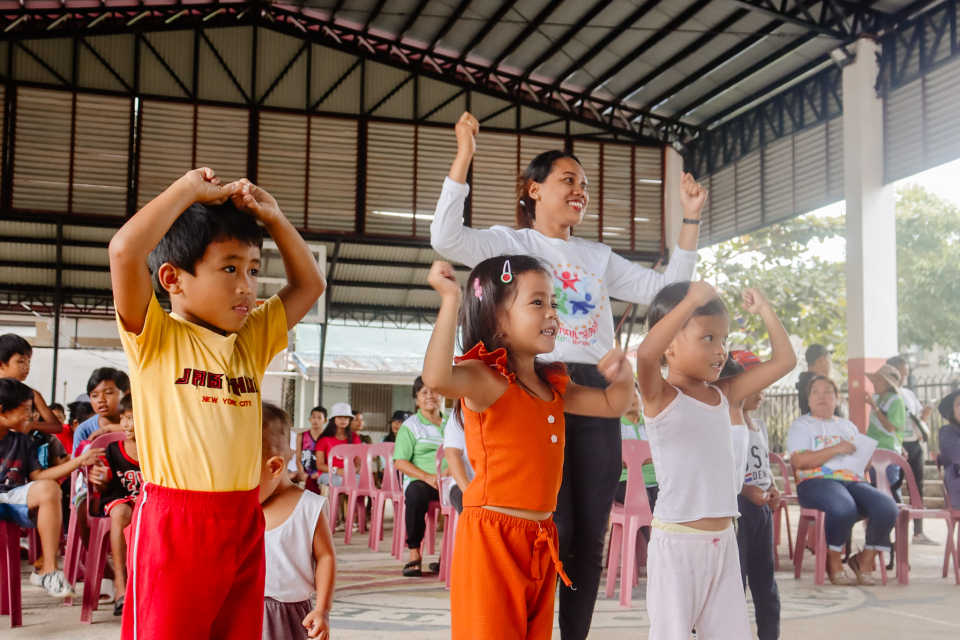
The model was first implemented in the Municipality of Bantayan, where it has already delivered significant results. In 2024, the Beautiful Bantayan initiative reached over 5,000 individuals across 25 communities and supported 344 nutrition frontliners, equipping them to lead and implement five key nutrition programs.
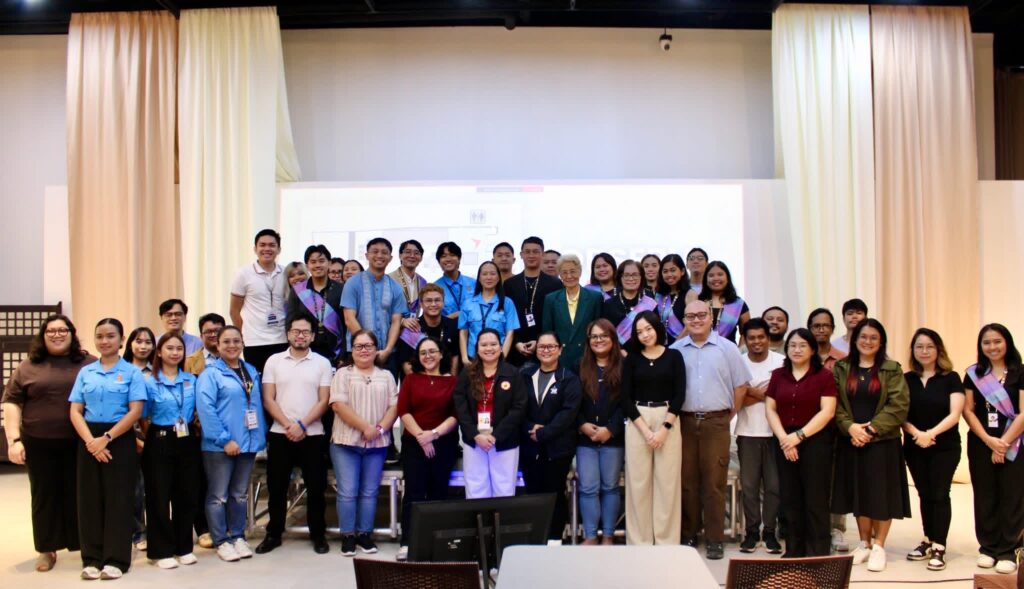
These efforts were highlighted during the Lessons to Scale: Collaborations to Support LGUs towards Responsive Nutrition Programming learning forum that gathered partners from the Cebu City Nutrition Network (CCNN), the Cebu City Nutrition Office, representatives from Cebu City Health Department, representatives from Cebu City barangays namely Carreta, Mambaling, and Sambag II, from Municipality of Bantayan and other health and nutrition stakeholders. The forum showcased how knowledge and tools gained from the initiative have helped strengthen coordination, influence local decision-making, and advance nutrition outcomes in communities.
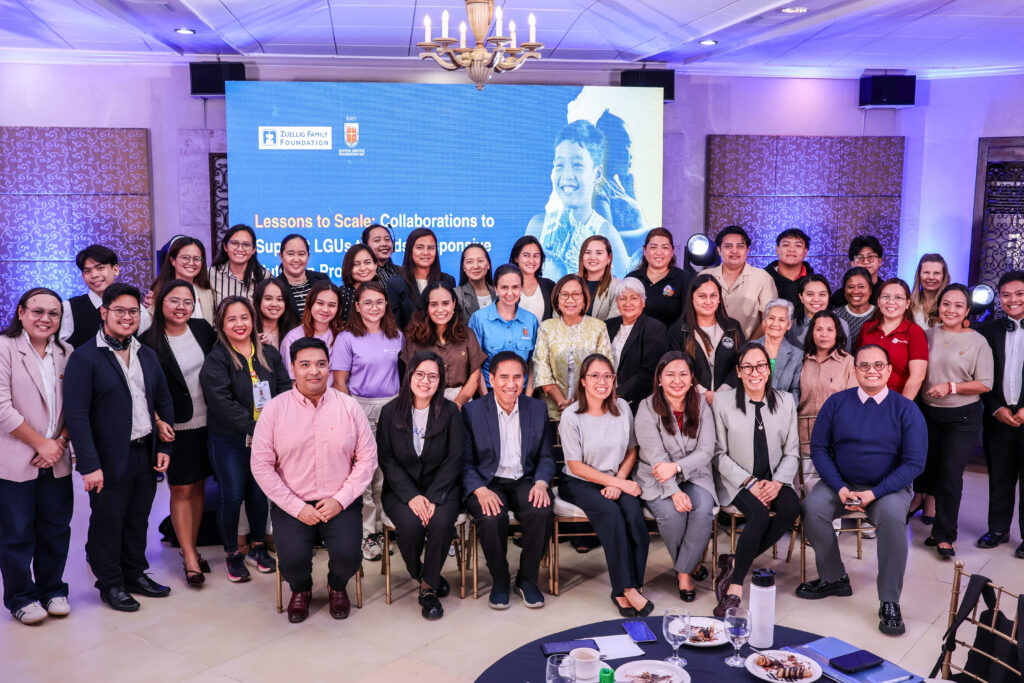
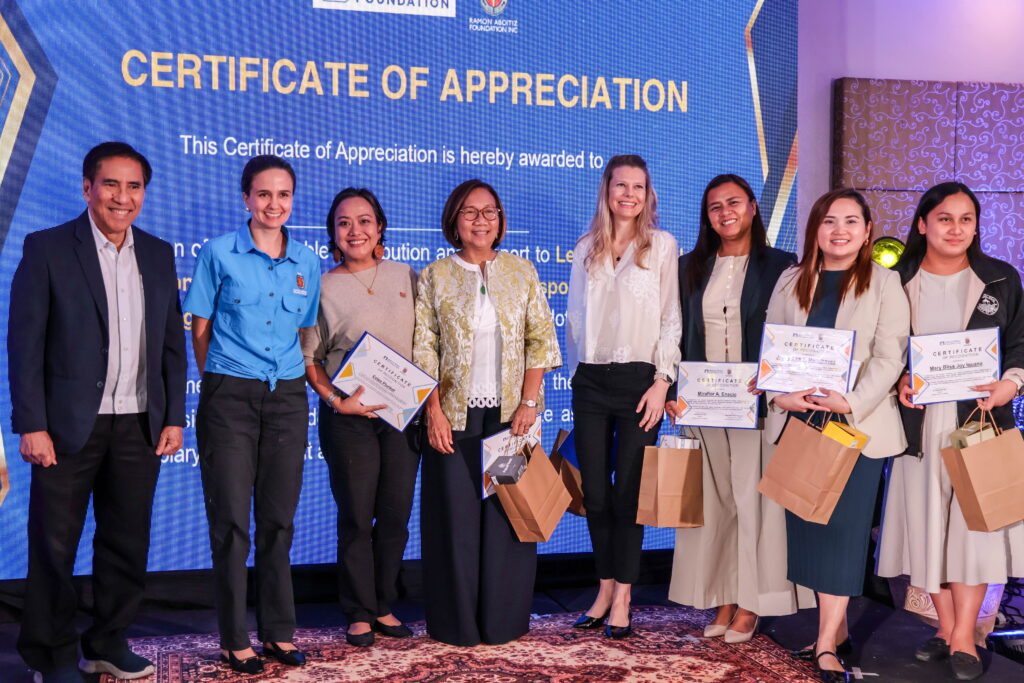
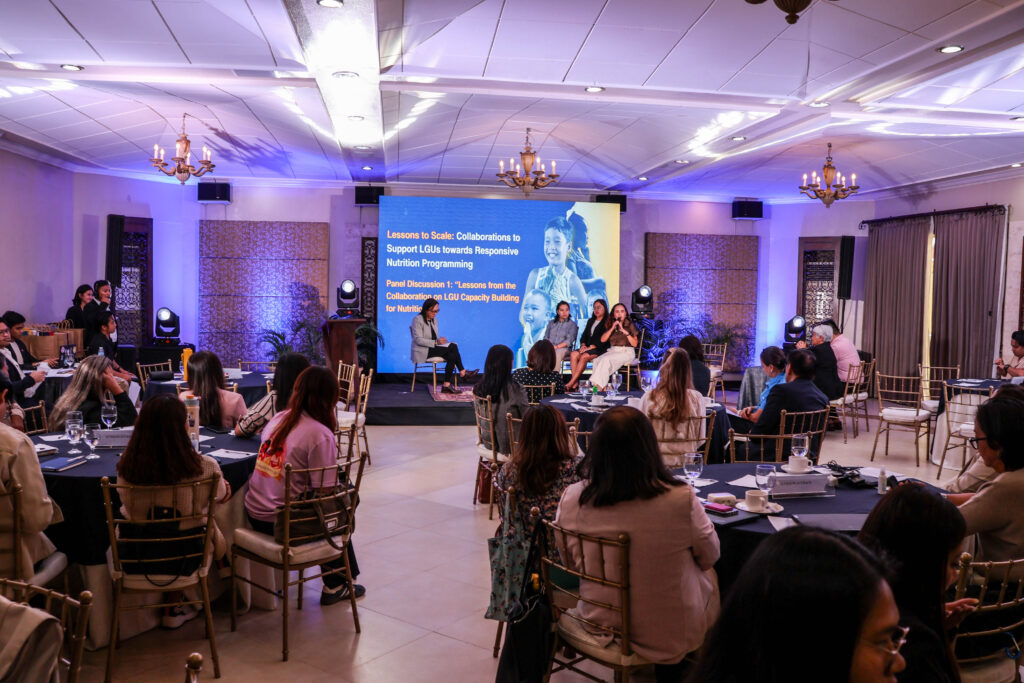
For Barangay Carreta Councilor and Barangay Nutrition Action Officer, Cebu City, Rhodora Pyls, the partnership and program implementation has strengthen their nutrition interventions in 4 ways: policy creation, budget allocation as part of the investment plan, implementation of targeted nutrition activities, and advocacy building through IEC campaigns and partnerships.
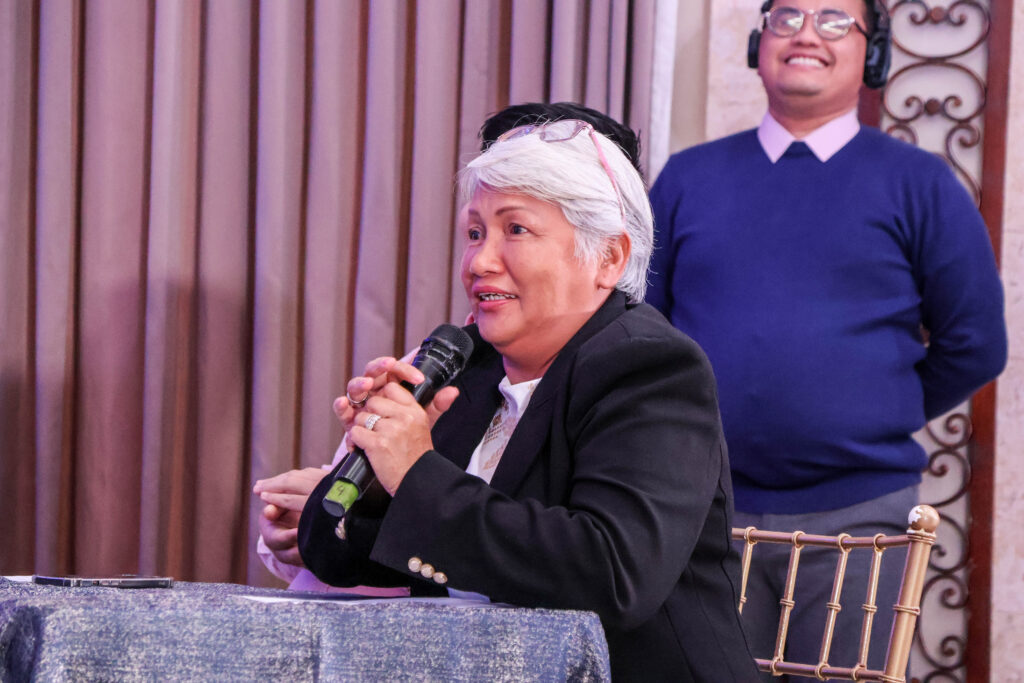
“I personally learned that ownership means taking the lead in planning, budgeting and sustaining nutrition programs. Co-ownership emphasized that all stakeholders like barangay health workers, civil society organizations and community members share responsibility and accountability. Lastly, co-creation highlighted the value of working together, with partners and residents to design responsive nutrition interventions,” Pyls elaborated during the panel discussion.
For RAFI, the collaboration reflects a larger vision for children and families. The organization envisions communities where children are happy and healthy by age five. Partnerships like this, supported by ZFF and embraced by the Cebu City Nutrition Network, bring that vision closer to reality.
“We in RAFI believe that it is through strong local systems and shared responsibility that good nutrition will become a reality for our families. That is our goal. Today’s discussion reminds us that real change takes time. It happens gradually, and it requires all of us working together over the long term. The insights shared today reinforce our direction, placing collaboration, shared ownership, evidence-based action, and community empowerment at the heart of what we do,” Amaya A. Fansler, RAFI President and CEO expressed during the forum.
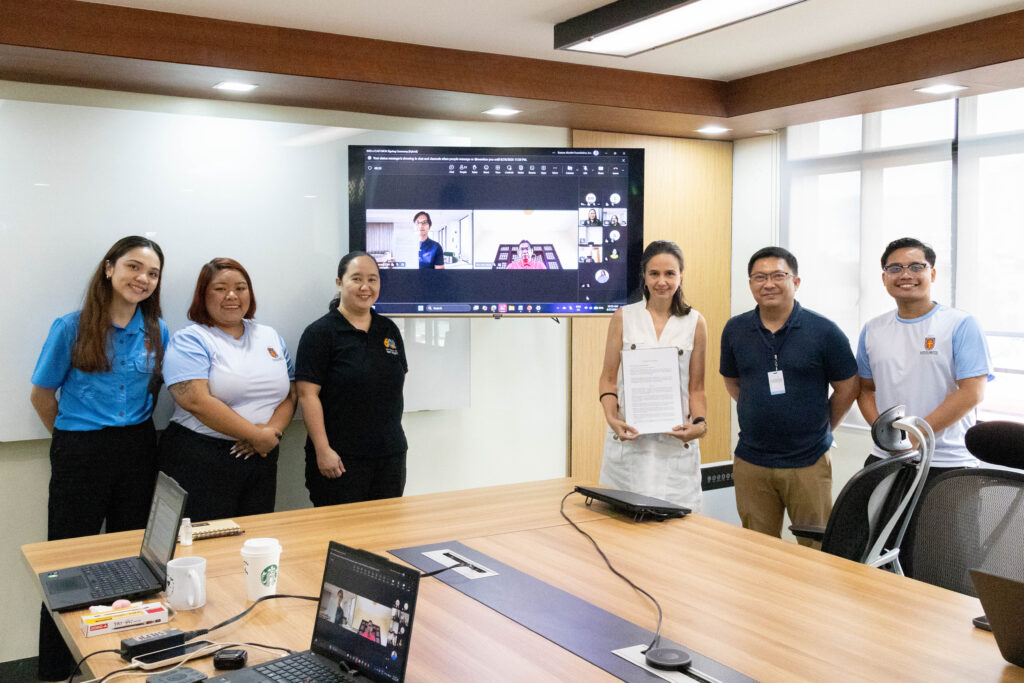
The learning forum concluded with the official turnover and signing of a memorandum of collaboration for the knowledge products developed through the initiative, including modules, assessments, and strategy tools that will continue to support nutrition governance efforts in Cebu City.
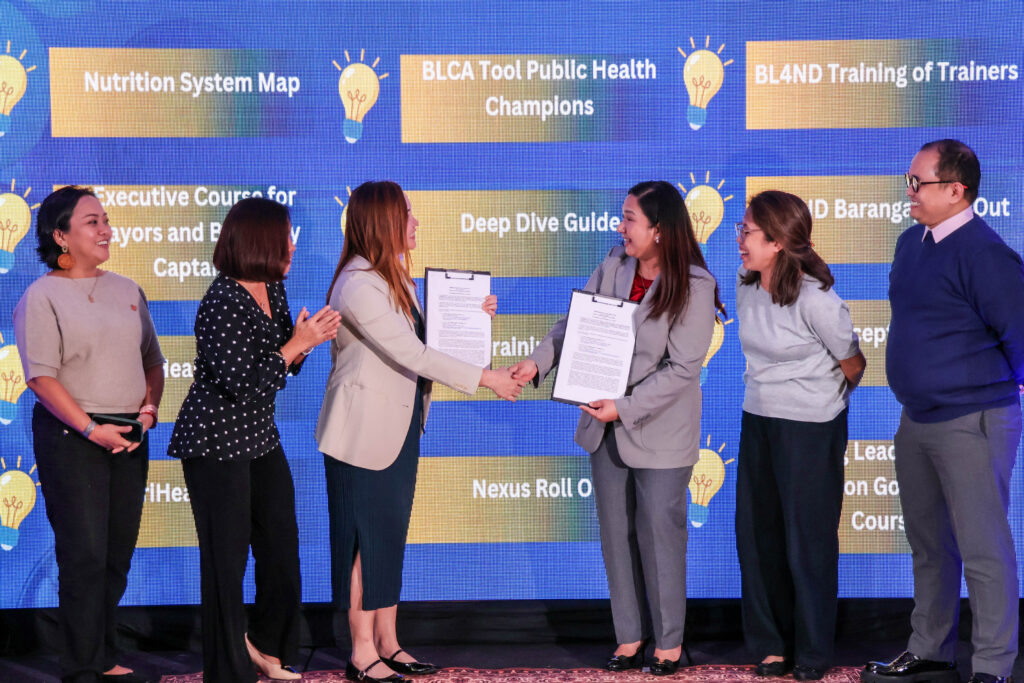
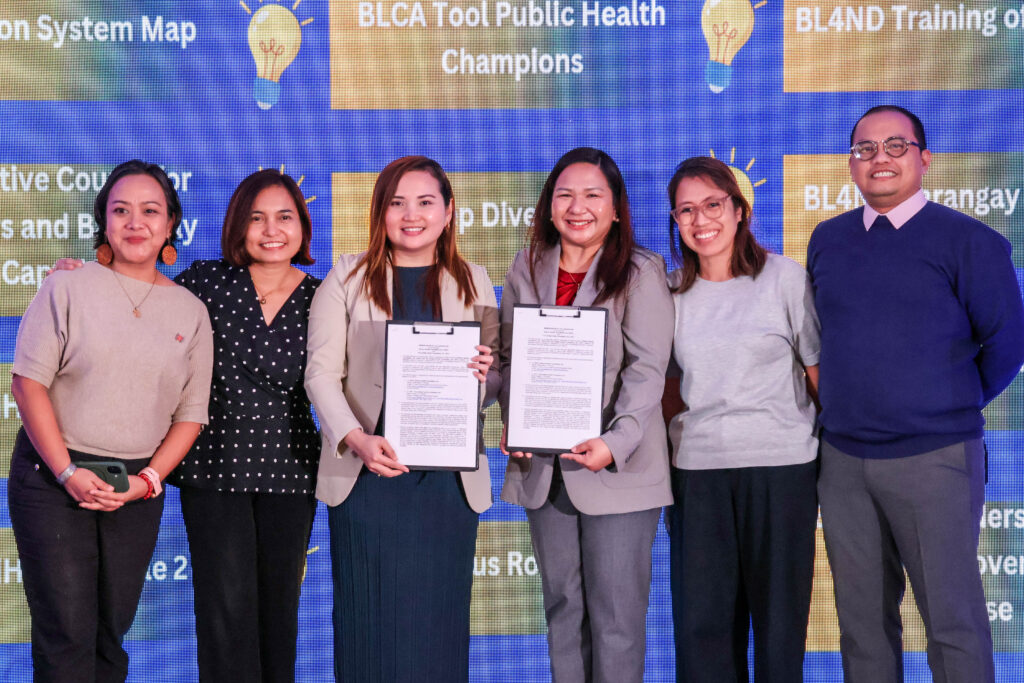
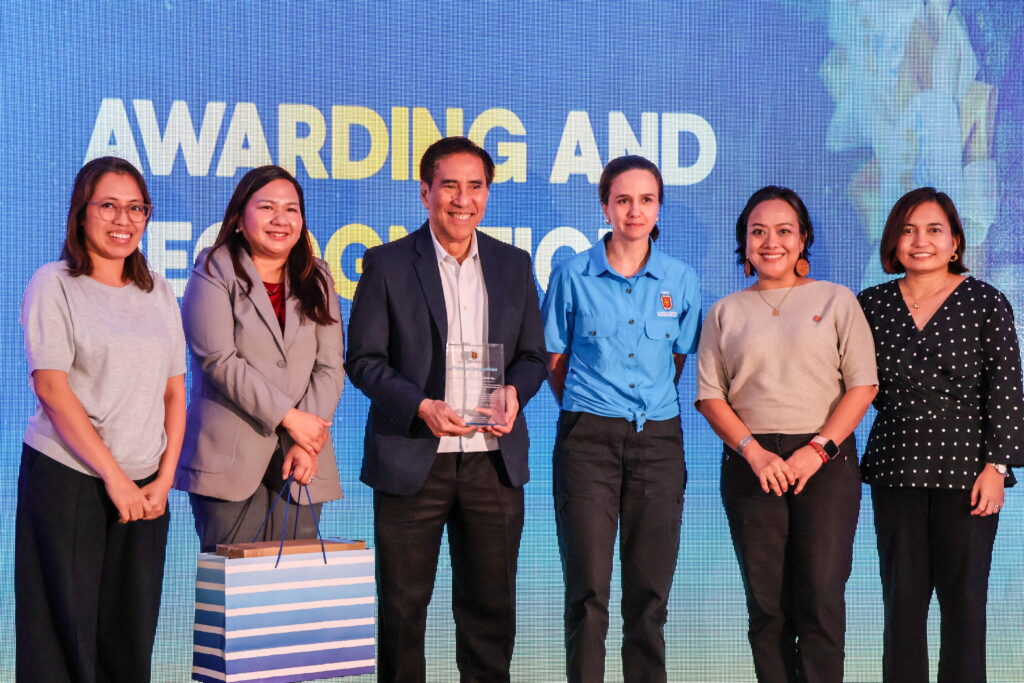
Dr. Manuel Dayrit, Chairman, ZFF Board of Trustees, referred to all attendees as heroes for health and nutrition, highlighting the journey that the partnership has gone through.
“We are all familiar with the word roadmap. But when we talk about roadmaps or runways, I would offer one caveat: the journey is rarely linear. Progress does not move in a straight line. If anything, we hope it moves like a spiral going upward, where we learn, grow, and improve with every cycle. The runway is never perfectly straight either. It is not simply flying down a clear, direct path. Instead, it is a journey. And like every journey, there are enablers who help move us forward, and there are challenges that test us along the way. But in the end, just like the heroes we read about in stories, we are all heroes in our own journeys.
People often say that the journey is more important than the destination. I would say we need both. The journey gives meaning to the work, and the destination reminds us why we started. So today, I thank all of the heroes in this shared journey — RAFI, CCNN, and ZFF — for your individual and collective efforts in working toward better health for our fellow countrymen,” Dr. Dayrit shared in his speech.
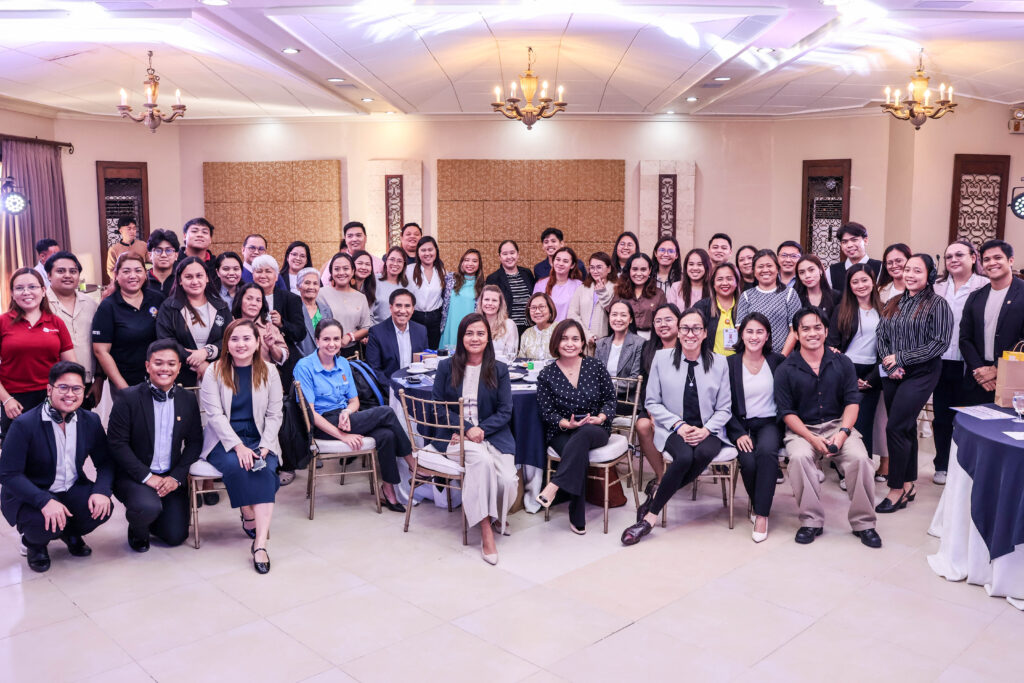
As the work continues, this partnership hopes that the strengthened systems and shared commitment will extend far beyond the collaboration itself—ultimately improving the lives of those who matter most: the children and families in their communities.